 By admin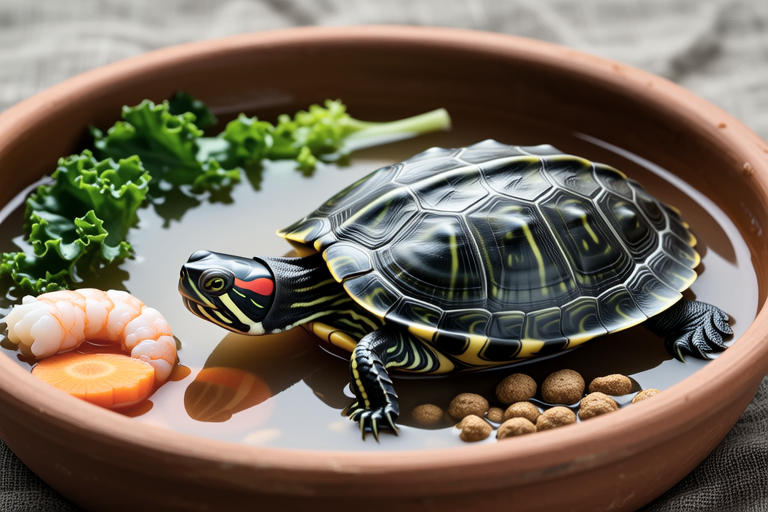
Red-eared Slider Diet Decoded: What They Need to Thrive
The red-eared slider (Trachemys scripta elegans) is one of the most popular semi-aquatic turtles globally. Originating from North America, these charismatic creatures have become beloved pets due to their relatively easy care requirements and vibrant appearance. However, ensuring they thrive in captivity requires more than just providing a tank and some space; it involves understanding and meeting their dietary needs. A well-balanced diet is crucial for their health, growth, and longevity.
Dietary Needs of Red-Eared Sliders
Red-eared sliders are omnivores, meaning they consume both plant matter and animal protein throughout their lives. Their dietary preferences change as they grow, transitioning from carnivorous hatchlings to herbivorous adults. This shift underscores the importance of adjusting their diet according to age and size.
Essential Components of Their Diet
Protein Sources
Younger red-eared sliders require more protein than older ones. High-quality commercial turtle pellets, earthworms, crickets, mealworms, and fish can serve as excellent protein sources. It’s important to ensure that any live prey items are gut-loaded before being offered to your turtle, which means feeding them nutritious food themselves so they pass on those nutrients to your pet.
Vegetables
As red-eared sliders mature, their diet should include more vegetable matter. Suitable options include collard greens, mustard greens, dandelion greens, endive, romaine lettuce, and bell peppers. Avoid iceberg lettuce as it lacks nutritional value and can cause diarrhea if fed excessively.
Supplements
To prevent deficiencies, supplementing their diet with calcium and vitamin D3 is necessary. These nutrients support proper shell development and bone health. You can achieve this through calcium powders or UVB lighting, which aids in the synthesis of vitamin D3 within the body.
The Importance of a Balanced Diet
A balanced diet ensures optimal health, growth, and longevity for red-eared sliders. Feeding them appropriately helps maintain their immune system, promotes healthy digestion, and prevents common ailments such as metabolic bone disease caused by calcium deficiency.
Specific Foods They Should Eat and Those They Should Avoid
Safe foods for red-eared sliders include:
- Commercial turtle pellets
- Fruits like strawberries, blueberries, and raspberries
- Vegetables mentioned earlier
Items to avoid:
- Avocados due to persin toxicity
- Citrus fruits because of their acidity
- Potatoes, onions, garlic, and other strong-smelling foods that could upset their stomach
- Raw meats and processed human foods containing preservatives or salt
Tips on Feeding Frequency and Portion Sizes
Young turtles should be fed daily, while adults can be fed every other day. Overfeeding can lead to obesity and other health issues. As a general guideline, offer food equivalent to the size of your turtle’s head per feeding session. Monitor their weight and adjust portions accordingly.
Maintaining Water Quality and Its Role in Digestive Health
Water quality directly impacts a red-eared slider’s overall health, particularly their digestive system. Regularly clean their habitat to prevent bacterial growth and maintain hygiene. Use appropriate filtration systems and perform partial water changes weekly. Cleanliness reduces the risk of infections and supports efficient digestion.
In conclusion, providing a balanced diet rich in proteins, vegetables, and essential supplements is vital for keeping red-eared sliders healthy and happy. By understanding their dietary needs and following these guidelines, you can ensure your pet thrives in its environment. Remember that each turtle may have slightly different preferences, so observe their behavior and adjust their meals accordingly.