 By admin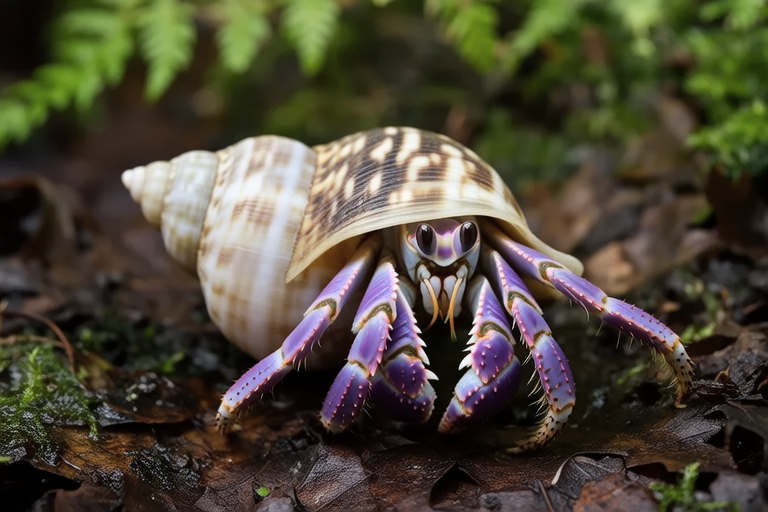
Amazing Facts About Hermit Crabs That Will Amaze You!
Hermit crabs are fascinating creatures that have captured the imagination of many with their unique lifestyle and quirky behaviors. These little crustaceans have adapted to live in a way that’s both resourceful and remarkable. From their choice of homes to their eating habits, there’s much to learn about these amazing creatures. Let’s dive into some of the most incredible facts about hermit crabs that will leave you amazed.
The Natural Habitat of Hermit Crabs
Hermit crabs are predominantly found in coastal areas, thriving in tropical and subtropical regions around the world. They inhabit various environments, from sandy beaches to rocky shores, mangrove swamps, and even freshwater habitats. Their adaptability allows them to survive in diverse ecosystems, making them a versatile species.
One of the most interesting aspects of hermit crab habitats is their association with marine life. Many hermit crabs live in close proximity to coral reefs, where they find abundant food sources and protection. The reefs provide shelter from predators and a rich supply of algae, small invertebrates, and decaying organic matter, which form the bulk of the hermit crab diet.
Dietary Habits of Hermit Crabs
Hermit crabs are omnivorous scavengers, meaning they eat a wide variety of foods. In the wild, their diet consists mainly of algae, decaying plant matter, and small marine animals like dead fish, mollusks, and tiny crustaceans. They also consume detritus, which is decomposed organic material, helping to recycle nutrients in their ecosystem.
In captivity, hermit crabs can be fed a similar diet, including commercial hermit crab food, fruits, vegetables, and occasional treats like dried shrimp or fish flakes. It’s essential to ensure a balanced diet rich in vitamins and minerals to promote their health and longevity.
The Shell Changing Process: A Key Aspect of Hermit Crab Life
One of the most distinctive features of hermit crabs is their reliance on empty seashells for protection. Unlike other crabs, which grow their own hard exoskeletons, hermit crabs inhabit discarded shells to shield their soft abdomens. As they grow, they outgrow their current homes and must seek out larger shells.
The process of finding a new shell is both challenging and exciting for hermit crabs. They carefully inspect potential shells by tapping on them with their claws and antennae. Once satisfied, they retreat into the new shell, leaving behind their old one. This shell exchange can sometimes lead to intense competition among hermit crabs, especially during periods of scarcity.
Interestingly, hermit crabs have been observed decorating their shells with various materials such as sand, algae, or pieces of coral. While the function of this decoration is still debated, it may serve as camouflage or a way to mark territory.
Social Behavior of Hermit Crabs
Despite their solitary appearance, hermit crabs are surprisingly social creatures. They often gather in large groups, especially when searching for food or shells. These gatherings can involve hundreds or even thousands of individuals, creating a bustling community of hermit crabs.
Hermit crabs engage in complex social interactions, including communication through sound and chemical signals. They produce clicking noises by rubbing their mouthparts together, which may serve as a form of communication or warning. Additionally, they release pheromones, chemical substances that trigger specific responses in other hermit crabs.
While hermit crabs are generally peaceful towards each other, conflicts can arise over resources like food and shells. These disputes are usually resolved through displays of aggression, such as waving their claws or chasing each other. However, serious injury is rare, and most conflicts end quickly.
Lifespan and Reproduction
The lifespan of hermit crabs varies depending on the species and environmental conditions. On average, hermit crabs can live between 10 to 30 years in the wild, while those in captivity may live shorter lives due to factors like stress and poor nutrition. Proper care and attention can extend the lifespan of pet hermit crabs significantly.
Hermit crabs reproduce sexually, with males and females engaging in courtship rituals before mating. After mating, the female carries fertilized eggs under her abdomen until they hatch. Depending on the species, the gestation period can last anywhere from several weeks to several months. Once the eggs hatch, tiny larvae emerge and enter the water column, where they undergo a series of molts before developing into juvenile hermit crabs.
Adaptations and Survival Strategies
Hermit crabs have evolved numerous adaptations to survive in their challenging environments. One of the most notable is their ability to retract their soft abdomens into their shells, providing protection from predators. They also possess strong claws, which they use for defense and to manipulate objects.
Hermit crabs are highly sensitive to changes in their environment, particularly temperature and humidity. They are ectothermic, meaning their body temperature depends on external sources. To regulate their temperature, they move between shaded areas and open spaces, seeking warmth or coolness as needed.
Another remarkable adaptation is their ability to regenerate lost limbs. If a hermit crab loses a claw or leg, it can regrow the appendage over time. This regeneration process is vital for survival, allowing the crab to continue functioning even after sustaining injuries.
Cultural Significance and Conservation
Hermit crabs hold significant cultural importance in many parts of the world. In Polynesian cultures, hermit crabs are considered symbols of resilience and adaptability. They are often featured in traditional stories and artwork, representing the human spirit’s ability to overcome challenges.
Unfortunately, hermit crabs face threats from habitat destruction, pollution, and overharvesting for the pet trade. Efforts are being made to conserve hermit crab populations and protect their natural habitats. Responsible pet ownership, sustainable harvesting practices, and habitat preservation are crucial steps in ensuring the survival of these remarkable creatures.
Conclusion
Hermit crabs are truly amazing creatures with unique characteristics and behaviors that make them stand out in the animal kingdom. From their resourceful use of shells to their social interactions and impressive survival strategies, there’s always something new to discover about these fascinating crustaceans. By understanding and appreciating hermit crabs, we can work together to protect their habitats and ensure their continued existence for future generations.