 By admin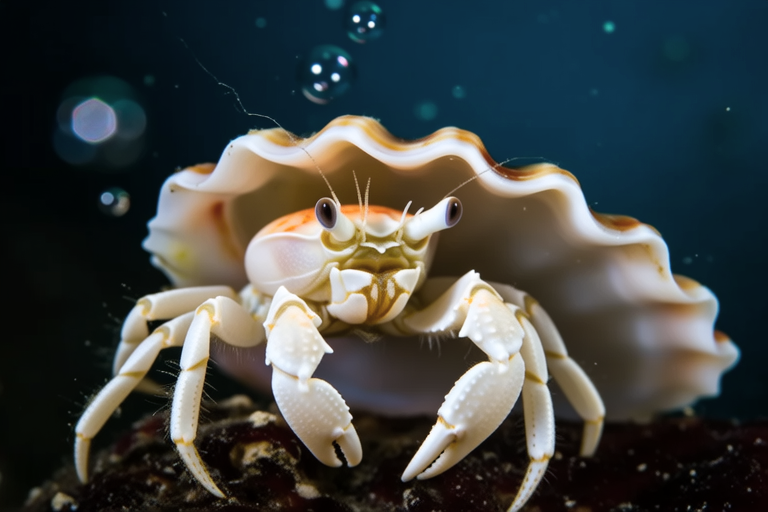
Pea Crabs: The Secret Ocean Partners of Sea Creatures
In the vast and mysterious world of the ocean, there exist countless fascinating relationships between different species. Among these is the symbiotic partnership formed by pea crabs and their hosts, including sea cucumbers, clams, and anemones. Pea crabs, small and delicate crustaceans, have developed unique adaptations and behaviors that allow them to live within other marine organisms, creating a mutually beneficial relationship. This article delves into the intriguing world of pea crabs, exploring their diverse species, behaviors, and ecological importance.
The Intriguing World of Pea Crabs
Pea crabs, belonging to the family Pinnotheridae, are tiny crustaceans named after their resemblance to garden peas. They can be found in oceans across the globe, from shallow coastal waters to deep-sea environments. Despite their diminutive size, pea crabs play a crucial role in marine ecosystems. These crabs have adapted to live within the bodies of larger marine animals, forming a unique symbiotic relationship known as endosymbiosis. Unlike many other symbiotic relationships, where one organism benefits at the expense of the other, pea crabs and their hosts share a mutually beneficial arrangement.
Adaptations and Behaviors
To survive within their hosts, pea crabs have evolved remarkable adaptations. Their flattened bodies allow them to fit snugly inside the cavities of their hosts, while their soft exoskeletons prevent damage to their hosts’ tissues. Additionally, pea crabs possess specialized mouthparts designed for filter feeding, enabling them to extract nutrients from the water that flows through their host’s body. This adaptation ensures they can obtain food without relying on their hosts for sustenance.
Pea crabs exhibit specific behaviors that contribute to their survival within their hosts. For instance, they secrete mucus to create a protective barrier between themselves and their hosts, preventing infections and ensuring a stable environment. Moreover, pea crabs can adjust their metabolism to match the activity levels of their hosts, conserving energy during periods of reduced activity.
Symbiotic Relationships with Sea Cucumbers
One of the most well-known hosts for pea crabs is the sea cucumber. These echinoderms provide a safe haven for pea crabs, offering protection from predators and a constant supply of nutrients. In return, pea crabs assist sea cucumbers by consuming detritus and parasites that may otherwise harm their hosts. This mutualistic relationship benefits both parties, enhancing the overall health and vitality of both the pea crabs and sea cucumbers.
Interestingly, some species of pea crabs have been observed to engage in a behavior known as “bouyancy control.” By attaching themselves to the sea cucumber’s respiratory tree, pea crabs can regulate their buoyancy, allowing them to ascend and descend within the water column alongside their hosts. This behavior not only aids in their movement but also helps them avoid potential threats.
Living Within Clams and Anemones
Pea crabs also establish symbiotic relationships with bivalve mollusks such as clams and anemones. Inside these hosts, pea crabs find refuge from predators and a consistent source of food. Clams, for example, provide a rich environment for pea crabs, offering both shelter and a steady supply of plankton and other organic matter. In return, pea crabs help maintain the health of their clam hosts by consuming harmful microorganisms and detritus.
Anemones serve as another important host for pea crabs. These cnidarians offer a secure habitat for pea crabs, protecting them from external threats. Pea crabs living within anemones benefit from the anemone’s ability to capture prey, which provides a ready source of food. In exchange, pea crabs assist anemones by removing debris and harmful substances from their bodies.
Species Diversity and Ecological Significance
The family Pinnotheridae comprises over 70 described species of pea crabs, each with its own unique characteristics and adaptations. Some species specialize in particular hosts, while others exhibit more generalized behavior. For example, the Pinnotheres pisum is commonly found within oysters, while the Portunus pelagicus lives within sea cucumbers. This diversity underscores the adaptability and resilience of pea crabs in various marine environments.
Pea crabs play a significant role in maintaining the balance of ocean ecosystems. By controlling populations of harmful microorganisms and detritus, pea crabs contribute to the overall health and productivity of their habitats. Additionally, their presence within their hosts influences the behavior and physiology of their hosts, potentially impacting the broader ecosystem. Understanding the complex interactions between pea crabs and their hosts is essential for comprehending the intricate web of life in the ocean.
Conclusion
Pea crabs represent a fascinating example of symbiotic relationships in the ocean. Through their unique adaptations and behaviors, pea crabs have established mutually beneficial partnerships with a variety of marine organisms, including sea cucumbers, clams, and anemones. These partnerships not only ensure the survival of pea crabs but also contribute to the overall health and productivity of their hosts and the broader marine ecosystem. As we continue to explore the depths of the ocean, it is clear that the study of pea crabs and their symbiotic relationships will provide valuable insights into the interconnectedness of life in the sea.