 By admin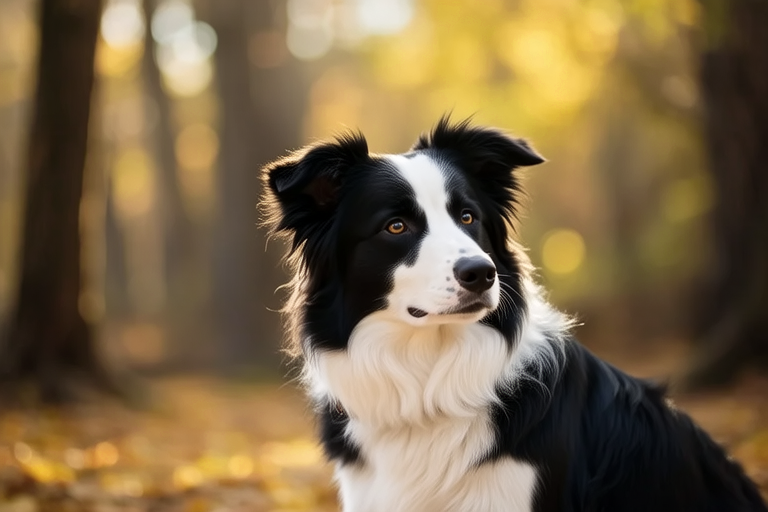
Border Collie: The Ultimate Guide for Owners and Admirers
Introduction to Border Collies, their origin and history.
The Border Collie is one of the most popular breeds of dogs, known for its intelligence, loyalty, and herding instincts. Originating from the Anglo-Scottish border region, these dogs were bred specifically for herding livestock, particularly sheep. Their name reflects their historical role as working dogs along the borders of England and Scotland. Over time, they have become highly sought after not only for their herding abilities but also as companions and competitors in various dog sports.
Physical characteristics and typical appearance.
Border Collies are medium-sized dogs with a sturdy build that suits their active lifestyle. They typically weigh between 30 to 55 pounds and stand about 18 to 22 inches tall at the shoulder. Their coat can be either smooth or rough, both of which provide excellent protection against harsh weather conditions. Common colors include black and white, though there are many variations like red and white or tricolor. Their expressive eyes and alert demeanor make them instantly recognizable.
Intelligence and trainability, including common behaviors and traits.
Beyond their striking looks, Border Collies are renowned for their exceptional intelligence and high level of trainability. They excel in obedience training and participate successfully in agility competitions. These dogs thrive on mental stimulation; without it, they may develop behavioral issues such as excessive barking or destructive chewing. Their natural instinct to herd can sometimes manifest in chasing small animals or even family members if not properly managed through consistent training.
Exercise and nutrition requirements specific to the breed.
Due to their energetic nature, Border Collies require substantial physical activity daily to maintain good health and happiness. Regular walks, runs, or play sessions are essential. Additionally, providing them with opportunities for mental engagement, such as puzzle toys or interactive games, helps satisfy their need for stimulation. Regarding diet, a balanced mix of proteins, fats, carbohydrates, vitamins, and minerals is crucial. Consultation with a veterinarian can help tailor a dietary plan based on individual needs.
Health issues commonly faced by Border Collies and how to prevent them.
While generally healthy, Border Collies are prone to certain genetic disorders including hip dysplasia, epilepsy, and eye problems like progressive retinal atrophy (PRA). Regular veterinary check-ups, maintaining a healthy weight, and ensuring proper nutrition contribute significantly to preventing these conditions. Early detection through regular screenings can also improve outcomes if issues arise.
Grooming needs and maintenance tips.
The grooming needs of a Border Collie depend largely on whether they have a smooth or rough coat. Dogs with rough coats benefit from brushing two to three times weekly to keep mats and tangles at bay, while those with smoother coats might require less frequent attention but still need regular brushing to distribute oils throughout the fur. Bathing should be done sparingly, ideally every few months unless necessary due to dirtiness or odor.
Training methods and tips for effective communication.
Effective communication is key when training a Border Collie. Positive reinforcement techniques work best, rewarding desired behaviors with treats, praise, or playtime. Consistency in commands and expectations ensures clear understanding from your pet. Since Border Collies learn quickly, repetitive practice sessions short in duration but frequent throughout the day are beneficial.
Living environment considerations, suitability in different homes.
Border Collies are adaptable to various living environments provided they receive adequate exercise and mental stimulation. They perform well in rural settings where ample space allows for running and playing freely. However, they can also adjust to urban life as long as owners commit to regular outdoor activities. It’s important to ensure that any home has secure fencing since their herding instincts could lead them outside unintentionally.
Socialization and interaction with other pets and humans.
Early socialization plays an important role in shaping a Border Collie’s temperament towards both people and other animals. Proper exposure during puppyhood encourages friendly interactions later in life. While they often get along well with children who treat them kindly, supervision is recommended around younger kids due to potential over-exuberance. With regard to other pets, early introductions under controlled circumstances foster harmonious coexistence.
Conclusion summarizing key points and encouraging responsible ownership.
In conclusion, owning a Border Collie comes with unique responsibilities that require commitment and dedication. From providing ample exercise and mental challenges to ensuring proper care and training, being a responsible owner means meeting all aspects of this dynamic breed’s needs. By understanding their origins, physical attributes, intelligence levels, dietary preferences, potential health concerns, grooming routines, training approaches, environmental adaptations, and social dynamics, you set yourself up for a rewarding relationship with your Border Collie. Remember, adopting a Border Collie isn’t just getting a pet—it’s welcoming a lifelong companion into your family.