 By admin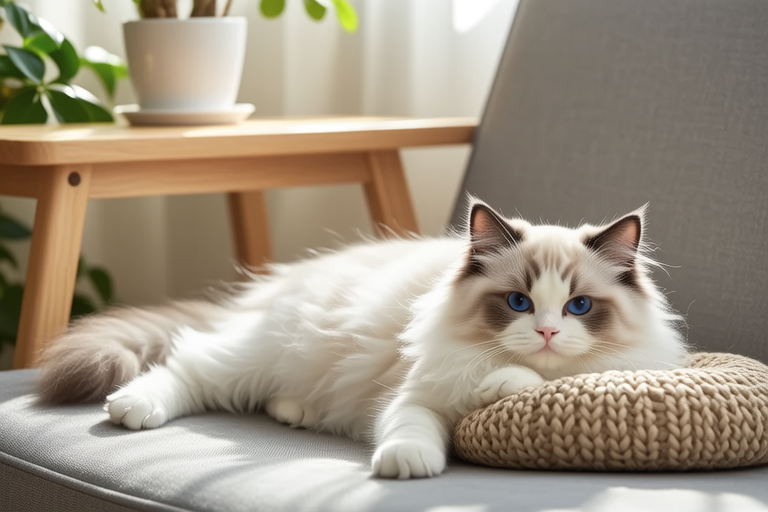
Adopting a Persian Cat: Tips for Creating the Perfect Home Environment
Welcome to the wonderful world of Persian cats! These elegant, long-haired felines have captured the hearts of many pet lovers with their striking appearance and gentle demeanor. If you’re considering adopting a Persian cat, it’s essential to understand their unique needs and how to create a home environment that will keep them healthy, happy, and comfortable. This guide will walk you through the various aspects of caring for a Persian cat, from understanding their specific needs to maintaining a clean and safe living space.
Understanding Persian Cat Needs
Persian cats are known for their calm and affectionate nature. They enjoy being around people but can also be independent. It’s important to provide them with a balanced environment that meets both their physical and emotional needs. Persian cats tend to be less active than some other breeds, so they don’t require as much space or exercise. However, they still need stimulation and interaction to thrive.
These cats are sensitive to changes in their environment, so it’s best to establish a routine that includes regular feeding times, play sessions, and grooming. Persian cats also appreciate a quiet and calm household, making them ideal for families with children who are respectful of animals.
Grooming Requirements
One of the most distinctive features of Persian cats is their luxurious, dense coat. Their fur requires daily brushing to prevent matting and hairballs. Invest in a high-quality brush designed for long-haired cats, such as a slicker brush or a wide-toothed comb. Gently brush your Persian cat in the direction of their fur growth, paying special attention to areas where tangles are more likely to occur, like behind the ears and under the tail.
In addition to regular brushing, it’s essential to bathe your Persian cat every few weeks. Use a mild, cat-specific shampoo and warm water. Be sure to thoroughly rinse out all the soap to avoid skin irritation. After bathing, gently towel-dry your cat and then use a blow dryer on a low heat setting to finish drying. Always supervise your cat during the drying process to ensure they stay calm and comfortable.
Trimming your Persian cat’s nails regularly is another crucial aspect of grooming. Long nails can cause discomfort and may lead to injury. Use a cat nail clipper and trim only the tip of each nail to avoid cutting into the quick, which can cause bleeding and pain.
Dietary Considerations
A balanced diet is vital for maintaining your Persian cat’s health and well-being. Choose a high-quality commercial cat food that is specifically formulated for indoor cats or senior cats if your Persian is older. Look for foods that contain real meat as the primary ingredient and avoid those with fillers like corn or wheat. Wet food can be beneficial for hydration, especially since Persian cats may not drink enough water on their own.
Obesity is a common concern among Persian cats due to their sedentary lifestyle. To prevent weight gain, monitor your cat’s food intake and provide measured portions at each meal. Avoid leaving food out all day, as this can encourage overeating. Offer occasional treats as rewards during training or playtime, but make sure they don’t exceed 10% of your cat’s daily caloric intake.
Hydration is equally important. Provide fresh, clean water at all times and consider using a cat water fountain to encourage drinking. Some Persians prefer running water, which can help increase their fluid intake.
Space and Furniture Recommendations
Persian cats enjoy lounging in cozy spots throughout the house. Provide soft, plush bedding in various locations, such as near windows where they can watch birds and squirrels or in quiet corners away from noise and activity. A raised platform or window perch can offer a comfortable vantage point for your cat to observe their surroundings.
When selecting furniture, choose pieces that are easy to clean and maintain. Persian cats shed heavily, so opt for upholstery that can withstand frequent cleaning. Microfiber or leather furniture is often easier to wipe down than fabric, but if you prefer fabric, consider washable slipcovers. Place furniture strategically to create distinct areas for sleeping, eating, and playing. For example, you might place a litter box in one corner of the room and a feeding station in another.
If you have multiple levels in your home, consider installing a cat ladder or wall-mounted shelves to give your Persian cat access to higher spaces. This can provide them with additional opportunities for exploration and relaxation.
Choosing Appropriate Toys
Toys are an excellent way to stimulate your Persian cat’s mind and body. Since they are less active than some other breeds, it’s important to choose toys that encourage mental engagement rather than constant physical exertion. Puzzle toys that dispense treats when manipulated can be particularly appealing to Persians. Interactive laser pointers or feather wands can also capture their attention, though these should be used sparingly to avoid overstimulation.
Consider incorporating soft, plush toys that mimic prey animals, such as mice or birds. These can satisfy your cat’s natural hunting instincts without requiring excessive energy. Rotate toys periodically to keep things interesting and prevent boredom. Providing a variety of toys will help ensure your Persian cat remains engaged and entertained.
Maintaining Cleanliness
Keeping your home clean is essential for your Persian cat’s health and happiness. Regular vacuuming and dusting can help reduce allergens and keep your cat’s environment free from debris. Pay particular attention to areas where your cat spends most of their time, such as their favorite napping spots or the area surrounding their litter box.
The litter box should be cleaned daily to prevent odor buildup and discourage your cat from avoiding it. Choose a litter that clumps easily and is dust-free to minimize respiratory irritation. Scoop solid waste and replace the litter entirely every few weeks. Position the litter box in a quiet, easily accessible location away from high-traffic areas.
Persian cats are prone to dental issues, so regular tooth brushing is recommended. Use a soft-bristled toothbrush and cat-safe toothpaste to clean your cat’s teeth at least twice a week. Dental chews and toys can also help promote good oral hygiene between brushing sessions.
Addressing Health Concerns
Like all purebred cats, Persian cats are susceptible to certain health conditions. Respiratory issues, such as upper respiratory infections and chronic bronchitis, are relatively common due to their flattened faces. To help prevent respiratory problems, maintain a smoke-free environment and avoid exposing your cat to dusty or pollen-heavy areas.
Persian cats are also prone to urinary tract infections and kidney disease. Monitoring your cat’s litter box habits can provide early warning signs of these conditions. Increased frequency of urination, difficulty urinating, or blood in the urine are potential indicators that warrant a visit to the veterinarian.
Regular veterinary check-ups are crucial for maintaining your Persian cat’s health. Schedule annual wellness visits and any necessary vaccinations. Your vet can also recommend appropriate flea and tick prevention treatments and discuss spaying or neutering options if applicable.
Integrating with Other Pets
Introducing a new Persian cat to your existing pets requires careful planning and gradual introductions. Start by keeping the new cat in a separate room with their own food, water, litter box, and toys. Allow the pets to sniff under the door and get accustomed to each other’s presence before allowing direct interaction.
Supervised play sessions can help facilitate positive relationships between your Persian cat and other animals. Encourage gentle play and reward good behavior with treats and praise. If conflicts arise, separate the animals immediately and try again later. Patience and consistency are key when introducing new pets to one another.
It’s important to note that individual personalities vary, so some cats may take longer to adjust than others. Be patient and provide plenty of support throughout the integration process.
Advice on Training and Socialization
Training and socialization are essential components of raising a well-behaved Persian cat. Positive reinforcement techniques, such as clicker training or treat rewards, can be effective for teaching basic commands and encouraging desirable behaviors. Use short, frequent training sessions to keep your cat engaged and focused.
Socialization begins early in life and continues throughout adulthood. Expose your Persian cat to various people, animals, and environments to help them become comfortable and confident. Gradually introduce new experiences, such as car rides or visits to the vet, in a controlled and positive manner. This can help reduce anxiety and stress in unfamiliar situations.
Petting and handling your cat regularly can also contribute to their socialization. Gently touch different parts of their body, including their paws, ears, and tail, to familiarize them with physical contact. This can make grooming and veterinary exams less stressful for both you and your cat.
By following these tips, you’ll be well on your way to creating a loving and supportive home environment for your Persian cat. Remember, each cat is unique, so pay close attention to your pet’s individual preferences and adjust your care accordingly. With patience, dedication, and love, you and your Persian cat will form a strong bond that will last a lifetime.