 By admin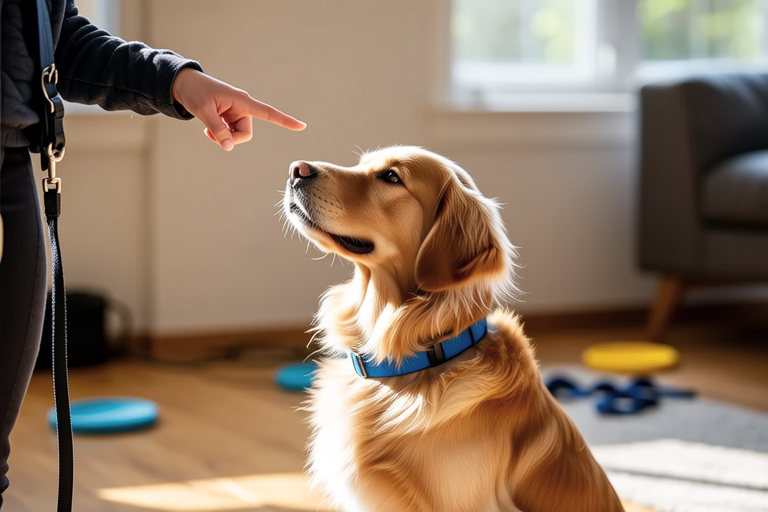
Training Tips for Raising an Intelligent Golden Retriever
Welcome to this comprehensive guide on how to raise an intelligent Golden Retriever. This article will provide you with insights into understanding your dog’s intelligence and energy levels, essential early socialization techniques, effective positive reinforcement training methods, mental stimulation activities, common challenges and solutions in training, and maintaining a strong bond through consistent and patient training approaches.
Understanding Your Golden Retriever’s Intelligence and Energy Levels
Golden Retrievers are known for their high intelligence and friendly demeanor. They rank among the most intelligent breeds, making them quick learners who can understand commands after just a few repetitions. Their intelligence also means they require mental stimulation to prevent boredom and potential behavioral issues. Understanding these traits is crucial for providing the right environment and training for your Golden Retriever.
In addition to their intelligence, Golden Retrievers are energetic dogs that need regular physical exercise. Their playful nature makes them excellent companions for families and individuals who enjoy outdoor activities. Ensuring they have enough outlets for their energy helps maintain their overall well-being.
Essential Early Socialization Techniques
The first few months of a Golden Retriever’s life are critical for socialization. Proper exposure to different environments, people, and other animals during this period can help shape their behavior and temperament. Early socialization is key to preventing fear-based aggression and ensuring your dog grows up to be confident and well-adjusted.
To start, introduce your puppy to various stimuli such as sounds, sights, and textures. Gradually increase the complexity of these experiences as your dog becomes more comfortable. For example, you might begin with simple household noises like the vacuum cleaner and progress to visits to parks or pet-friendly stores where they can meet new people and animals.
When introducing your Golden Retriever to new situations, always ensure their safety and comfort. Positive interactions with different types of people, including children, elderly individuals, and those wearing hats or sunglasses, can help build confidence. Additionally, exposing them to various surfaces, such as grass, pavement, and sand, prepares them for future adventures.
Effective Positive Reinforcement Training Methods
Positive reinforcement is one of the most effective ways to train your Golden Retriever. This method involves rewarding desired behaviors with treats, praise, or playtime, which encourages repetition of those actions. By focusing on what your dog does right rather than punishing mistakes, you foster a positive relationship built on trust and respect.
To implement positive reinforcement effectively, consistency is key. Use clear commands and reward your dog immediately after they perform the desired action. This helps them associate the behavior with the reward, reinforcing the connection between the two. Over time, reduce the frequency of treats as rewards, transitioning to verbal praise and affection.
It’s important to note that positive reinforcement doesn’t mean allowing bad behavior. If your Golden Retriever exhibits unwanted actions, simply ignore them or redirect their attention to something more appropriate. Avoid using physical punishment, as it can damage your relationship with your dog and lead to fear-based aggression.
Mental Stimulation Activities to Enhance Intelligence
Providing mental stimulation is vital for keeping your Golden Retriever engaged and happy. Engaging in activities that challenge their minds helps prevent boredom and destructive behaviors. Here are some fun and stimulating activities:
- Puzzle Toys: These toys require your dog to solve problems to retrieve treats, promoting cognitive development.
- Training Sessions: Regular training sessions keep your dog mentally sharp while strengthening your bond.
- Hiding Treats: Hide treats around the house or yard and encourage your dog to find them, stimulating their natural hunting instincts.
- Interactive Play: Engage in games that involve coordination and strategy, such as fetch or tug-of-war.
- Teaching New Tricks: Introduce new commands or tricks to keep your dog learning and entertained.
Remember, mental stimulation should be balanced with physical exercise to ensure your Golden Retriever remains healthy and happy.
Common Challenges and Solutions in Training
Training any dog comes with its share of challenges, and Golden Retrievers are no exception. Some common issues include excessive barking, jumping, chewing, and separation anxiety. Addressing these problems requires patience, consistency, and understanding.
Excessive Barking: Barking is a natural form of communication for dogs but can become problematic if left unchecked. To address this issue, identify the triggers causing the barking and work on desensitizing your dog to them. Teaching alternative behaviors, such as sitting quietly, can also be beneficial.
Jumping: Jumping on people can be both a greeting and a way for your dog to reach higher objects. To discourage this behavior, avoid rewarding it by turning away or ignoring your dog when they jump. Instead, encourage them to sit before receiving attention or rewards.
Chewing: Chewing is another natural behavior that can lead to destruction if not properly managed. Provide your dog with appropriate chew toys and redirect them to these items whenever they attempt to chew on furniture or other inappropriate objects. Consistent supervision and praise for good choices can reinforce the correct behavior.
Separation Anxiety: Many dogs experience separation anxiety when left alone, leading to destructive behaviors or excessive vocalization. To alleviate this issue, gradually acclimate your dog to being alone by starting with short periods of time and slowly increasing duration. Providing comforting items, such as a favorite toy or blanket, can also help ease their anxiety.
Maintaining a Strong Bond Through Consistent and Patient Training Approaches
The foundation of a successful training program lies in building a strong bond with your Golden Retriever. This relationship is based on mutual respect, trust, and understanding. To maintain this bond, approach training with patience, consistency, and love.
Consistency is crucial in training as it helps your dog understand what is expected of them. Establish clear rules and boundaries from the beginning and stick to them. This includes using the same commands and body language each time you interact with your dog.
Persistence is equally important. Training takes time and effort, so don’t get discouraged if progress seems slow at times. Celebrate small victories along the way and remain committed to the process.
Lastly, remember that your Golden Retriever thrives on love and attention. Spend quality time together, whether it’s playing fetch, going for walks, or simply cuddling. A strong emotional connection will make training more enjoyable for both you and your furry friend.