 By admin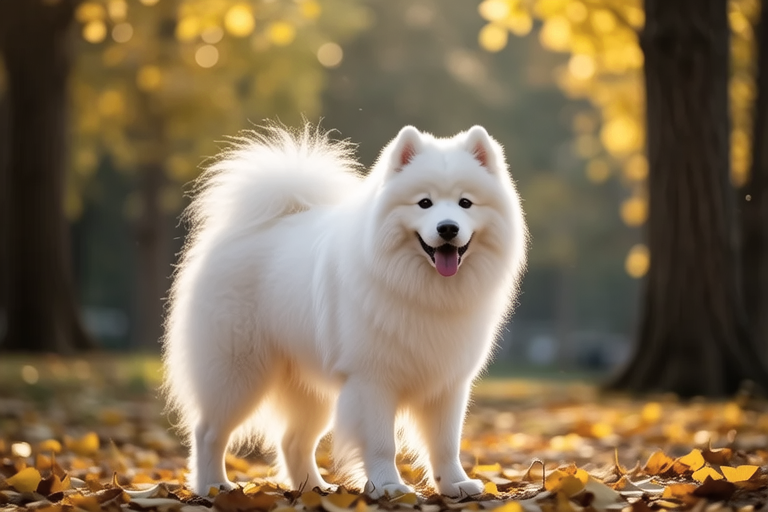
Samoyeds Unleashed: The Ultimate Guide to Caring for Your Snow Dog
Welcome to the world of Samoyeds! These fluffy, friendly dogs have captured the hearts of many pet lovers around the globe. Originating from Siberia, where they were used by the Samoyede people as sled dogs, herding reindeer, and even companions in their tents, Samoyeds are known for their striking white coats and cheerful dispositions. With their wolf-like appearance and charming smiles, they are often referred to as “the smiling dog.” This guide aims to provide you with everything you need to know about caring for your Samoyed, ensuring that your snow dog leads a healthy, happy life.
Origins and Characteristics
The Samoyed breed has a rich history dating back thousands of years. They were bred to withstand harsh Arctic conditions, which explains their thick double coat and robust build. Samoyeds are known for their loyalty, playfulness, and adaptability. They are excellent family pets and thrive on human interaction, making them ideal companions for those who enjoy a lively, affectionate dog.
Grooming Needs
One of the most notable features of Samoyeds is their luxurious, dense double coat. This coat provides excellent insulation against cold weather but also requires significant maintenance. Regular brushing is essential to prevent matting and keep the coat healthy. Aim to brush your Samoyed at least three times a week, increasing frequency during shedding seasons. Using a slicker brush can help remove loose hair and prevent tangles. Additionally, it’s crucial to bathe your Samoyed sparingly, as over-bathing can strip the coat of its natural oils. Instead, focus on spot cleaning when necessary and use a gentle shampoo specifically formulated for dogs.
Dietary Requirements
Samoyeds are energetic dogs with high metabolic rates, necessitating a balanced diet rich in proteins, fats, and carbohydrates. Opt for high-quality dog food that includes meat as the primary ingredient. Ensure that the food meets the nutritional standards set by organizations like the Association of American Feed Control Officials (AAFCO). Avoid feeding table scraps or foods that could upset their digestive system, such as chocolate, grapes, and onions. Providing fresh water at all times is also vital for maintaining their hydration and overall health.
Exercise Needs
Samoyeds are highly active dogs that require regular physical activity to stay healthy and happy. Daily walks and playtime are essential to keep their energy levels in check. Consider activities that engage their minds and bodies, such as agility training or fetch. Providing mental stimulation through puzzle toys can also be beneficial, especially if you’re unable to take your Samoyed out for long periods. Remember, a well-exercised Samoyed is less likely to develop destructive behaviors at home.
Common Health Issues and Preventive Care
While Samoyeds are generally healthy, they are prone to certain genetic conditions. Hip dysplasia, luxating patellas, and progressive retinal atrophy are some of the health issues to watch out for. Regular veterinary check-ups are crucial for early detection and management of these conditions. Maintaining a healthy weight through proper diet and exercise can also reduce the risk of joint problems. Vaccinations and parasite control are equally important in preventing infectious diseases and infestations.
Training and Socialization
Training a Samoyed requires patience and consistency. Positive reinforcement techniques, such as treats and praise, work best for these intelligent dogs. Start training early, focusing on basic commands like sit, stay, and come. Socialization is equally important, helping your Samoyed become comfortable with various people, animals, and environments. Expose your dog to different stimuli gradually and positively, ensuring each experience is rewarding.
Creating a Loving Home Environment
Samoyeds are pack animals and thrive in environments where they feel loved and included. Establish a routine that includes regular meals, exercise, and quality time together. Provide a comfortable, warm sleeping area indoors, as Samoyeds prefer to be close to their human families. Consider providing interactive toys and puzzles to keep them mentally stimulated when you’re away. Lastly, remember that every Samoyed is unique, so tailor your approach based on your dog’s individual needs and preferences.
In conclusion, owning a Samoyed is a rewarding experience filled with joy, laughter, and companionship. By understanding their origins, grooming needs, dietary requirements, exercise demands, potential health issues, and the importance of training and socialization, you’ll be well-equipped to provide your Samoyed with the love and care they deserve. With a little effort and lots of love, your Samoyed will undoubtedly become a cherished member of your family.