 By admin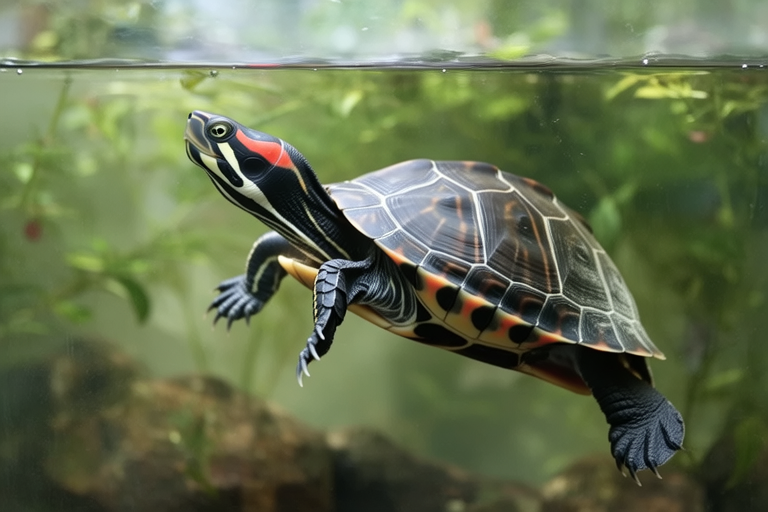
Top 10 Care Tips for Thriving Red-eared Slider Turtles
Welcome to the world of red-eared slider turtles! These fascinating reptiles are among the most popular pets due to their hardiness and relatively low maintenance. However, providing optimal care for your red-eared slider turtle requires a good understanding of its specific needs. This guide will cover ten essential care tips that will help ensure your turtle thrives in captivity.
1. Proper Diet
Feeding your red-eared slider turtle a balanced diet is crucial for its overall health. Their diet should consist of a mix of commercial turtle pellets, fresh vegetables, and occasional protein sources like crickets or earthworms. Juvenile sliders require more protein than adults, so adjust their diet accordingly as they grow. Offer food twice daily and remove any uneaten portions after 10-15 minutes to maintain water quality.
2. Habitat Setup
Creating a suitable habitat is vital for your turtle’s well-being. A large aquarium or custom-built enclosure with at least 10 gallons of water per inch of shell length is recommended. Include a variety of hiding spots, such as caves or floating logs, to provide security and stimulate natural behaviors. Ensure there’s enough space for swimming and climbing out of the water.
3. Water Quality Maintenance
Maintaining clean water is essential for preventing bacterial infections and other health issues. Use a powerful filter to keep the water clear and free from harmful substances. Perform partial water changes (about 20%) weekly and a complete water change every few weeks to remove accumulated waste and debris. Regularly test the water parameters, including pH, ammonia, nitrite, and nitrate levels, to ensure they remain within safe ranges.
4. Basking Needs
Red-eared slider turtles need ample time to bask outside the water to regulate their body temperature and aid digestion. Provide a dry area equipped with a UVB light source and a heat lamp to mimic natural sunlight. Ensure the basking spot reaches approximately 85-90°F during the day and remains around 75°F at night. Position the heat source carefully to prevent burns and ensure even heating across the basking area.
5. Health Monitoring
Closely observe your turtle’s behavior and physical condition daily. Look for signs of illness, such as lethargy, loss of appetite, swollen eyes, or unusual lumps. Regular check-ups by a veterinarian specializing in reptiles can help detect potential problems early. Maintain a clean living environment and handle your turtle gently to minimize stress, which can weaken its immune system.
6. Temperature Regulation
Temperature plays a significant role in maintaining your turtle’s health. The water temperature should range between 75-80°F during the day and drop slightly at night to around 70-75°F. Use submersible heaters to achieve these temperatures and invest in a reliable thermometer to monitor them accurately. Avoid extreme fluctuations in temperature, as this can cause stress and potentially lead to illness.
7. Appropriate Tank Size
Adequate space is necessary for your turtle’s physical and mental well-being. As red-eared sliders grow, they require more room to swim and explore. An adult slider needs a minimum of 40 gallons of water per inch of shell length. Providing sufficient space allows for proper exercise, reduces aggression, and minimizes territorial disputes among multiple turtles.
8. Lighting Requirements
Proper lighting is essential for your turtle’s health and well-being. In addition to a heat lamp for basking, install a full-spectrum UVB light to promote calcium absorption and vitamin D synthesis. Place the UVB light at the correct distance from the basking area (usually about 12 inches) and replace it every six months to ensure it remains effective. Ensure the light cycle mimics natural daylight hours, typically 12 hours of light followed by 12 hours of darkness.
9. Handling Guidelines
Handle your red-eared slider turtle gently and infrequently to minimize stress. Wash your hands before and after handling to prevent the spread of bacteria. Support the turtle’s body fully, especially its shell, to avoid injury. Be cautious when lifting your turtle from the water, as sudden movements can startle it. Avoid rough play or excessive handling, particularly during feeding times.
10. Common Pitfalls to Avoid
Avoid overfeeding your turtle, as excess food can lead to obesity and poor water quality. Refrain from keeping multiple turtles in too small a space, as overcrowding can cause stress and aggression. Do not place your turtle in direct sunlight through glass or plastic, as this can lead to overheating and burns. Lastly, never release captive-bred turtles into the wild, as they may carry diseases that could harm native populations.
By following these top ten care tips, you’ll be well on your way to providing your red-eared slider turtle with a healthy and happy life. Remember that each turtle is unique, so pay close attention to your pet’s individual needs and preferences. With proper care and attention, your red-eared slider turtle can live a long and fulfilling life as part of your family.