 By admin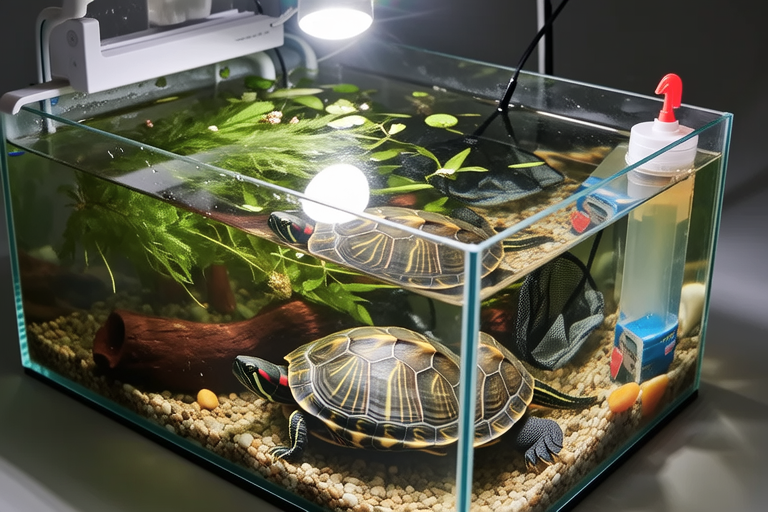
Red-eared Slider Survival Kit: Essential Tips Every First-Time Turtle Owner Needs
Welcome to the world of pet turtles! Red-eared sliders (Trachemys scripta elegans) are among the most popular aquatic turtles kept as pets. Their vibrant colors, playful nature, and relatively low maintenance have made them a favorite choice for many turtle enthusiasts. However, owning a red-eared slider requires more than just a tank and some food. This guide will walk you through everything you need to know to ensure your new pet thrives.
Understanding Your Pet’s Needs
Before diving into the specifics, it’s crucial to understand what makes red-eared sliders unique. These turtles are semi-aquatic, meaning they spend part of their time swimming and part basking. They are native to the southern United States but have been introduced to various parts of the world due to their popularity as pets. As such, providing them with an environment that mimics their natural habitat is key to their well-being.
Habitat Setup
Tank Size
The first step in setting up your red-eared slider’s home is choosing the right tank. The general rule of thumb is to provide at least 10 gallons of water per inch of shell length for baby turtles. For adults, this increases to about 40 gallons per inch. A larger tank allows for better swimming and reduces stress on your turtle.
Water Quality Maintenance
Maintaining clean water is essential for your turtle’s health. Invest in a high-quality filtration system that can handle the tank’s capacity. Regular water changes—about 25% every week—are also necessary to keep ammonia and nitrite levels down. Use a dechlorinator to remove harmful chemicals from tap water before adding it to the tank.
Lighting Requirements
Red-eared sliders require UVB light to synthesize vitamin D3, which aids in calcium absorption. This is crucial for bone development and overall health. Install a full-spectrum UVB light over the basking area, and ensure it is replaced every six months to maintain its effectiveness. Additionally, provide a heat lamp to maintain a basking spot temperature between 85°F and 95°F.
Dietary Considerations
Feeding your red-eared slider a balanced diet is vital for its growth and longevity. A good diet includes a mix of commercial turtle pellets, fresh vegetables, and occasional protein sources like earthworms or minnows. Baby turtles should be fed daily, while adults can eat every other day. Ensure variety to prevent nutritional deficiencies.
Calcium Supplementation
To support strong shell and bone development, consider supplementing your turtle’s diet with calcium powder. Sprinkle a small amount onto their food once or twice a week. Over-supplementation can lead to health issues, so follow the recommended guidelines carefully.
Handling and Common Health Issues
Safe Handling Practices
When handling your turtle, always support its body, especially the shell, to avoid injury. Wash your hands thoroughly before and after handling to prevent the spread of bacteria. Avoid handling your turtle excessively, as too much interaction can cause stress.
Common Health Issues
Regular health checks are important. Look out for signs of illness such as lethargy, loss of appetite, swollen eyes, or respiratory issues. If you notice any of these symptoms, consult a veterinarian specializing in reptiles. Prevention is key, so maintaining a clean environment and proper diet goes a long way in keeping your turtle healthy.
Long-Term Commitment
Owning a red-eared slider is a long-term commitment. These turtles can live for 20 years or more, so it’s essential to think about their care needs throughout their lifespan. Be prepared for regular maintenance of their habitat, dietary adjustments as they grow, and potential veterinary expenses. Providing a loving and stable environment will ensure your turtle enjoys a long and happy life.
In conclusion, welcoming a red-eared slider into your home is an exciting journey filled with joy and responsibility. By setting up the right habitat, feeding a nutritious diet, and being vigilant about their health, you’ll be well-equipped to provide the best care for your new pet. Remember, with proper care and attention, your turtle will thrive, bringing countless moments of delight and companionship into your life.