 By admin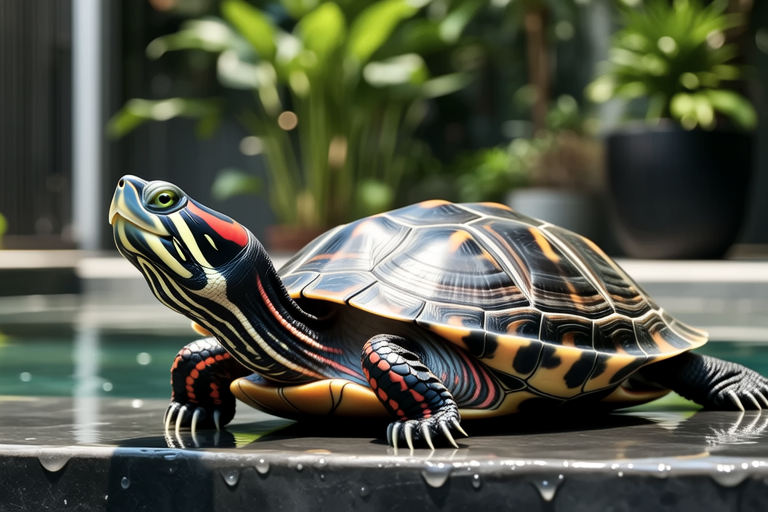
From Tank to Terrace: How Red-eared Sliders Are Becoming Outdoor Pet Stars
Red-eared sliders (Trachemys scripta elegans) have long been popular pets, traditionally housed in indoor tanks. However, a growing trend sees these aquatic turtles thriving in outdoor terraces, offering them a more natural environment. This shift not only enriches the lives of these reptiles but also presents new challenges for pet owners. Let’s explore how red-eared sliders are becoming outdoor pet stars, the benefits and challenges of this trend, and what it means for the future of pet care.
The Traditional Habitat and the New Trend
Red-eared sliders are native to the southern United States and northern Mexico. They are named for the distinctive red stripe behind each eye. Historically, they have been kept in aquariums or large indoor tanks, providing them with a controlled environment that includes basking areas, swimming spaces, and filtration systems. The trend towards outdoor enclosures began as enthusiasts sought to provide their pets with more space and natural stimuli. This transition reflects a broader movement in pet care towards more holistic approaches that consider the psychological and physical well-being of animals.
Benefits of Outdoor Enclosures
Outdoor terraces offer several advantages for red-eared sliders. Firstly, they provide ample space for swimming and basking, which is essential for the turtles’ health. Secondly, exposure to natural sunlight helps them synthesize vitamin D3, crucial for calcium absorption and bone health. Additionally, outdoor environments can stimulate the turtles’ senses, encouraging natural behaviors like foraging and exploring. This environmental enrichment can lead to happier, healthier pets.
Challenges and Considerations
While there are many benefits, outdoor enclosures come with their own set of challenges. Space requirements are significant; a minimum of 10 square feet per adult slider is recommended. Safety from predators, such as birds, raccoons, and domestic cats, is paramount. Furthermore, protecting against harsh weather conditions, including extreme temperatures and heavy rain, is essential. Owners must ensure that the enclosure provides adequate shelter and protection.
Setting Up an Ideal Outdoor Enclosure
Creating a suitable outdoor enclosure involves careful planning. Start by selecting a location that receives plenty of sunlight but also has some shaded areas for cooling down. Use sturdy fencing to prevent escapes and deter predators. A combination of shallow and deep water areas should be provided, along with a dry basking area. Incorporating plants and rocks can enhance the enclosure’s aesthetics and functionality. Regular maintenance, including cleaning and monitoring water quality, is crucial.
Safety and Care Tips
To ensure the safety and well-being of your red-eared sliders, follow these tips:
- Predator-proofing: Use fine mesh screens to cover the top of the enclosure and secure any openings.
- Weather protection: Provide shelters that can be closed during inclement weather. Ensure the enclosure is protected from freezing temperatures.
- Diet: Feed a balanced diet consisting of commercial turtle pellets, fresh vegetables, and occasional live food.
- Veterinary care: Schedule regular check-ups with a veterinarian experienced in reptile care.
Misconceptions About Turtle Ownership
One common misconception is that red-eared sliders require minimal care. In reality, they are complex creatures with specific needs. Another myth is that they are solitary animals; while they can tolerate being alone, they often benefit from social interaction. It’s important to educate oneself thoroughly before adopting a red-eared slider.
Legal and Ethical Considerations
In many regions, owning red-eared sliders is subject to regulations. Some countries and states prohibit the sale of these turtles due to concerns over their impact on native ecosystems if released into the wild. As responsible pet owners, it’s crucial to understand and comply with local laws. Ethically, it’s important to ensure that these turtles are not taken from the wild and that they are cared for in a manner that meets their needs.
Future Perspectives
The trend of keeping red-eared sliders in outdoor terraces is likely to continue as pet owners seek to provide their pets with enriched environments. This shift could influence pet care practices, potentially leading to more outdoor enclosures for other species. The community’s response has generally been positive, with many enthusiasts sharing tips and experiences online. However, it’s essential to balance this enthusiasm with responsible pet ownership and respect for wildlife.
In conclusion, transitioning red-eared sliders from tank to terrace offers numerous benefits but requires careful consideration and commitment. By understanding the unique needs of these turtles and providing them with appropriate care, pet owners can ensure that their outdoor enclosures are safe, enriching environments. This trend not only enhances the quality of life for these fascinating creatures but also fosters a deeper connection between humans and their animal companions.