 By admin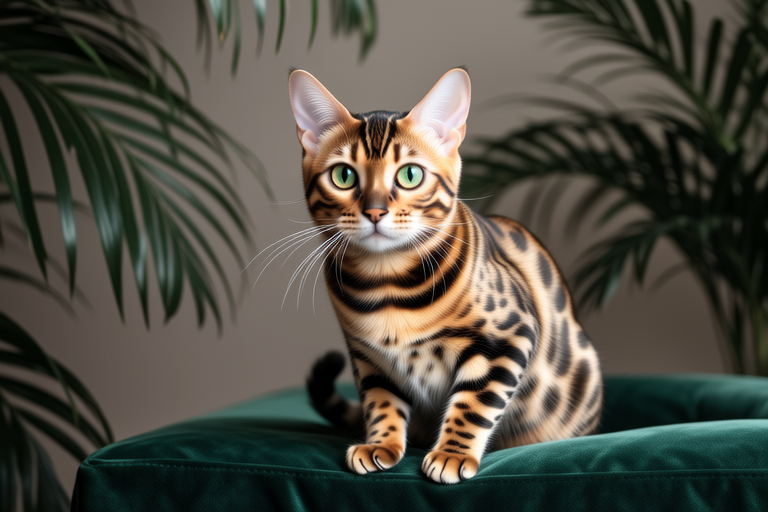
From Jungle to Couch: How Bengal Cats Conquered Pet Owners’ Hearts
The Bengal cat, with its strikingly beautiful coat and wild ancestry, has captured the hearts of many pet lovers around the world. Originating from the crossbreeding of domestic cats and Asian leopard cats, these felines carry within them a legacy that sets them apart from other domesticated breeds. Their wild roots manifest in their sleek, muscular bodies and mesmerizing coat patterns, which often resemble those of their jungle-dwelling relatives.
A Legacy of the Wild
Bengal cats trace their lineage back to the Asian leopard cat (Prionailurus bengalensis), a small wild feline native to South and Southeast Asia. These wild cats are known for their agility, strength, and distinctive coat patterns, including spots and rosettes that help them blend into their natural habitats. The first recorded attempts at breeding these wild cats with domestic ones date back to the mid-20th century. Jean Mill, a breeder from California, is credited with pioneering the Bengal cat breed. Her goal was to create a domestic cat that retained the beauty and grace of its wild ancestors while being affectionate and trainable.
The initial challenges were immense. Breeding a wild animal with a domestic one requires careful planning and ethical considerations. However, through selective breeding over several generations, Jean Mill and other dedicated breeders managed to produce cats that could thrive in home environments without losing their captivating wild traits.
The Journey to Domestication
The history of Bengal cat breeding is marked by significant milestones. In the 1960s, Dr. Willard Centerwall began crossing domestic cats with Asian leopard cats to study genetic resistance to feline leukemia. His work laid the foundation for future breeders like Jean Mill. By the 1980s, the Bengal cat was officially recognized by major cat registries, including The International Cat Association (TICA) and the Cat Fanciers’ Association (CFA).
Today, Bengal cats are one of the most popular exotic-looking breeds. Their journey from the jungles of Asia to living rooms worldwide is a testament to the dedication of breeders who worked tirelessly to ensure these animals could coexist harmoniously with humans.
Unique Traits of Bengal Cats
Bengal cats are not just visually stunning; they also possess unique behavioral traits that make them exceptional pets. Their playful nature is one of their most endearing qualities. Bengal cats love to play, often engaging in activities that mimic hunting behaviors, such as chasing toys or playing fetch. This high level of activity means they require plenty of mental and physical stimulation to stay happy and healthy.
Intelligence is another hallmark of the Bengal cat. They are quick learners and can be trained to perform tricks, use litter boxes, and even walk on a leash. Their curiosity and problem-solving skills make them fascinating companions. Additionally, their social nature allows them to form strong bonds with their owners, making them loyal and affectionate pets.
Their striking coat patterns, which can include marbled or spotted designs, add to their allure. These patterns are achieved through selective breeding and are one of the reasons why Bengal cats are so sought after. The coat’s texture, known as “glitter,” gives it a shimmering appearance under light, further enhancing their wild appeal.
Anecdotes from Bengal Cat Owners
Many Bengal cat owners speak fondly of their pets’ personalities and the deep bonds they share. Sarah Thompson, a Bengal cat owner from New York City, says, “My Bengal, Luna, is more than just a pet; she’s part of our family. She loves to play fetch and will bring her favorite toy to me whenever she wants attention. Her intelligence and loyalty are unmatched.”
Another owner, Mike Davis from San Francisco, shares, “What I love most about my Bengal, Max, is his curiosity. He’s always exploring new things and keeps us entertained with his antics. His playful demeanor makes him a joy to have around, and we feel incredibly lucky to have him.”
Care Requirements for Bengal Cats
While Bengal cats are generally healthy and adaptable, they do have specific care requirements. Their high energy levels mean they need plenty of space to run and play. A large, secure outdoor enclosure or access to a safe indoor environment where they can exercise freely is ideal. Regular grooming is necessary to maintain their coat’s health and shine. Brushing once or twice a week helps remove loose fur and prevent matting.
Dietary needs are also important. Bengal cats should be fed a balanced diet rich in proteins and fats to support their active lifestyles. Consultation with a veterinarian can help determine the best nutrition plan for your Bengal. Regular veterinary check-ups are crucial to monitor their health and address any potential issues early.
The increasing popularity of Bengal cats among pet enthusiasts can be attributed to their unique combination of wild charm and domestic compatibility. Their striking appearance, playful nature, and intelligence make them stand out as exceptional companions. As more people discover the joys of owning a Bengal cat, it’s clear that these felines will continue to conquer hearts for generations to come.