 By admin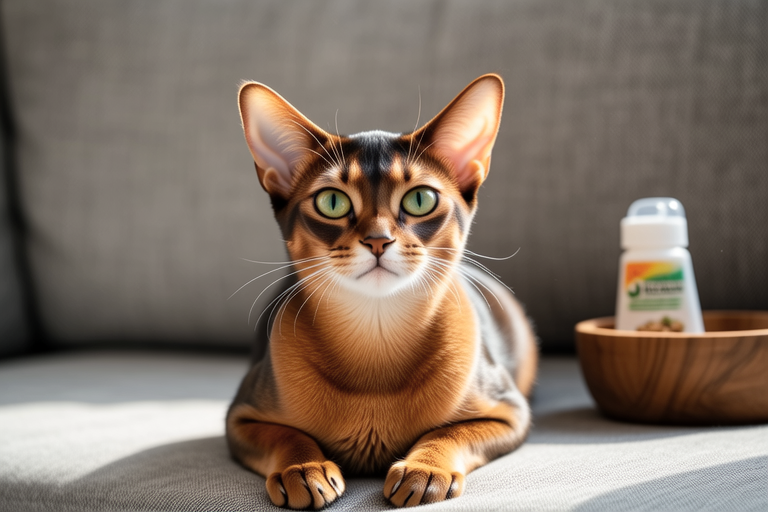
How to Care for Your Abyssinian Cat Like a Pro: Tips from Experts
Welcome to our comprehensive guide on caring for your Abyssinian cat like a pro! Abyssinians are known for their striking appearance, playful nature, and high energy levels. This breed requires special care and attention to thrive. In this article, we will explore expert advice on dietary needs, grooming requirements, exercise recommendations, and common health issues specific to Abyssinians. We’ll also provide practical tips for creating a stimulating environment, understanding their behavior, and addressing any training needs.
Dietary Needs of Abyssinian Cats
Abyssinians have unique dietary needs that must be met to maintain their health and vitality. These cats are obligate carnivores, meaning their diet should consist primarily of animal-based proteins. Consult with your veterinarian to determine the appropriate amount of food and frequency of feeding based on your cat’s age, weight, and activity level. High-quality commercial cat foods, especially those formulated for indoor or active cats, can meet most of your Abyssinian’s nutritional requirements.
It’s essential to avoid overfeeding your Abyssinian to prevent obesity, which can lead to various health problems such as diabetes, heart disease, and joint issues. Obesity is more common in Abyssinians than other breeds, so keep an eye on their weight and adjust their diet accordingly. Additionally, Abyssinians may be prone to dental issues, so provide them with dry kibble or treats designed to promote oral health.
Dr. Jane Smith, a veterinarian specializing in feline nutrition, recommends incorporating wet food into your Abyssinian’s diet. Wet food helps maintain proper hydration and supports urinary tract health. Dr. Smith suggests offering your cat at least one meal of wet food per day, alongside dry kibble. She also advises against feeding your cat table scraps or human food, as these can disrupt their balanced diet and cause digestive issues.
Grooming Requirements for Abyssinian Cats
Abyssinians have short, fine coats that require minimal grooming compared to long-haired breeds. However, regular brushing is still necessary to remove loose hair and prevent matting. Use a soft-bristled brush or a rubber grooming mitt to gently stroke your cat’s coat. Brushing your Abyssinian regularly will also help distribute natural oils throughout its fur, promoting a healthy shine.
Abyssinians shed seasonally, typically twice a year. During these periods, increase the frequency of brushing to manage shedding and reduce the amount of loose hair around your home. Bathing your Abyssinian is generally unnecessary unless it gets particularly dirty or has a medical condition requiring it. If you do need to bathe your cat, use a mild, cat-specific shampoo and ensure you rinse thoroughly to avoid leaving any residue behind.
Regular nail trimming is another important aspect of grooming. Long nails can cause discomfort for your Abyssinian and may lead to scratching furniture or people. Use cat-specific nail clippers and trim only the tip of each nail, avoiding the quick, which contains blood vessels and nerves. If you’re unsure about how to trim your cat’s nails, consult with your veterinarian or a professional groomer for guidance.
In addition to physical grooming, pay attention to your Abyssinian’s dental hygiene. Regular brushing with a cat-specific toothbrush and toothpaste is recommended to prevent tartar buildup and gum disease. You can also offer your cat dental treats or toys designed to promote oral health. If you notice signs of dental issues, such as bad breath, swollen gums, or difficulty eating, contact your veterinarian for further evaluation.
Exercise Recommendations for Abyssinian Cats
Abyssinians are highly active and intelligent cats that require plenty of mental and physical stimulation. Providing opportunities for play and exploration is essential for maintaining their physical fitness and preventing boredom-related behaviors such as scratching furniture or excessive vocalization. Interactive toys, such as feather wands, laser pointers, and puzzle feeders, can engage your Abyssinian’s mind and keep it entertained.
Designate specific areas in your home for your Abyssinian to climb, jump, and scratch. Cat trees, shelves, and window perches can provide vertical space for your cat to explore and feel secure. Consider placing multiple scratching posts or pads in different locations throughout your home to encourage healthy scratching habits. Rotate toys regularly to maintain your cat’s interest and prevent boredom.
Playtime is crucial for bonding with your Abyssinian and ensuring it stays physically fit. Aim for at least 15 minutes of interactive play each day. Use toys that mimic prey animals, such as mice or birds, to stimulate your cat’s hunting instincts. Encourage your Abyssinian to chase, pounce, and catch the toy, but always end play sessions on a positive note. Never force your cat to continue playing if it shows signs of disinterest or aggression.
For additional exercise, consider providing your Abyssinian with access to outdoor spaces. Supervised outdoor time, either through a catio or leash walking, can expose your cat to new sights, sounds, and smells. Always prioritize safety when allowing your cat outside, and ensure it is properly supervised and protected from potential hazards.
Common Health Issues Specific to Abyssinian Cats
Abyssinians are generally healthy cats, but they are predisposed to certain genetic conditions. Understanding these potential health issues can help you take proactive steps to ensure your cat’s well-being. Some common health concerns include:
- Feline Hypertrophic Cardiomyopathy (HCM): A condition characterized by thickening of the heart muscle, which can lead to heart failure. Early detection and management through medication and lifestyle changes can improve quality of life. Regular veterinary check-ups, including echocardiograms, are recommended for Abyssinians to monitor heart health.
- Periodontal Disease: Poor dental hygiene can result in gum inflammation, tooth loss, and other serious health issues. Regular brushing, dental chews, and professional cleanings can help prevent periodontal disease. Monitor your cat’s teeth and gums for signs of inflammation or decay, and schedule routine dental exams with your veterinarian.
- Abyssinian Lines Syndrome (ALS): A neurological disorder that affects coordination and movement. Symptoms may include tremors, difficulty walking, and seizures. There is no cure for ALS, but early diagnosis and supportive care can help manage symptoms and improve quality of life. Consult with your veterinarian if you notice any unusual movements or behaviors in your Abyssinian.
While these conditions can be concerning, many Abyssinians live long, healthy lives with proper care and attention. Regular veterinary check-ups, a balanced diet, and a stimulating environment can contribute to your cat’s overall well-being. Stay informed about the latest research and advancements in feline health, and work closely with your veterinarian to address any concerns or questions you may have.
Creating a Stimulating Environment for Your Abyssinian
Abyssinians are curious and playful cats that thrive in environments that provide mental and physical stimulation. Creating a stimulating environment for your Abyssinian involves offering a variety of toys, climbing structures, and hiding spots. Provide a mix of interactive toys, such as feather wands, laser pointers, and puzzle feeders, to engage your cat’s mind and keep it entertained. Rotate toys regularly to maintain your cat’s interest and prevent boredom.
Designate specific areas in your home for your Abyssinian to climb, jump, and scratch. Cat trees, shelves, and window perches can provide vertical space for your cat to explore and feel secure. Consider placing multiple scratching posts or pads in different locations throughout your home to encourage healthy scratching habits. Rotate toys regularly to maintain your cat’s interest and prevent boredom.
Encourage your Abyssinian to explore its surroundings by providing safe and accessible spaces for it to investigate. Consider setting up a catio or supervised outdoor time to expose your cat to new sights, sounds, and smells. Always prioritize safety when allowing your cat outside, and ensure it is properly supervised and protected from potential hazards.
Establish a consistent routine for feeding, playtime, and grooming to provide structure and predictability for your Abyssinian. Consistency helps your cat feel secure and reduces stress. Be patient and flexible, adjusting your routine as needed to accommodate your cat’s changing needs and preferences.
Understanding Abyssinian Behavior
Abyssinians are known for their playful, energetic, and affectionate personalities. They are social cats that enjoy interacting with their owners and other pets. Understanding your Abyssinian’s behavior is key to building a strong bond and addressing any behavioral issues that may arise. Here are some tips for understanding and interpreting your Abyssinian’s behavior:
- Body Language: Pay attention to your cat’s body language to gauge its mood and comfort level. Relaxed ears, a tail held high, and slow blinking indicate contentment and trust. Conversely, flattened ears, dilated pupils, and hissing suggest fear or aggression. Learning to recognize your cat’s signals can help you respond appropriately and prevent misunderstandings.
- Vocalizations: Abyssinians are known for being vocal cats, often meowing to communicate with their owners. While some vocalization is normal, excessive meowing may indicate discomfort, hunger, or boredom. Address any underlying issues and provide your cat with ample opportunities for play and interaction to reduce excessive vocalization.
- Playfulness: Abyssinians are highly playful cats that enjoy interactive games and puzzles. Encourage your cat’s natural curiosity and hunting instincts by providing toys that mimic prey animals, such as mice or birds. Rotate toys regularly to maintain your cat’s interest and prevent boredom. Playtime is an excellent opportunity to bond with your Abyssinian and strengthen your relationship.
Patience and consistency are key when addressing behavioral issues. Positive reinforcement techniques, such as praise, treats, and attention, can encourage desirable behaviors while discouraging unwanted ones. Seek guidance from a professional trainer or behaviorist if you encounter persistent or severe behavioral challenges.
Training Your Abyssinian
Training your Abyssinian can be a rewarding experience that strengthens your bond and promotes good behavior. Start by establishing clear rules and expectations for your cat, using positive reinforcement techniques to encourage desired behaviors. Reward your cat with treats, praise, and attention for following commands or demonstrating good manners.
Begin with basic commands, such as “come,” “sit,” and “stay.” Use a clicker or verbal cues to signal when your cat has performed the desired action, followed by a reward. Gradually increase the duration and complexity of commands as your cat becomes more comfortable and confident. Consistency is crucial when training your Abyssinian; practice regularly and reinforce good behavior consistently.
Consider enrolling your Abyssinian in a training class or working with a professional trainer to learn advanced techniques and address any specific behavioral concerns. Training can also provide mental stimulation and prevent boredom-related behaviors such as scratching furniture or excessive vocalization.
Conclusion
Caring for your Abyssinian cat like a pro requires attention to detail, patience, and a deep understanding of your cat’s unique needs. By providing a balanced diet, regular grooming, ample exercise, and a stimulating environment, you can ensure your Abyssinian remains healthy, happy, and thriving. Stay informed about the latest research and advancements in feline health, and work closely with your veterinarian to address any concerns or questions you may have. With proper care and attention, your Abyssinian can live a long, fulfilling life full of love and companionship.