 By admin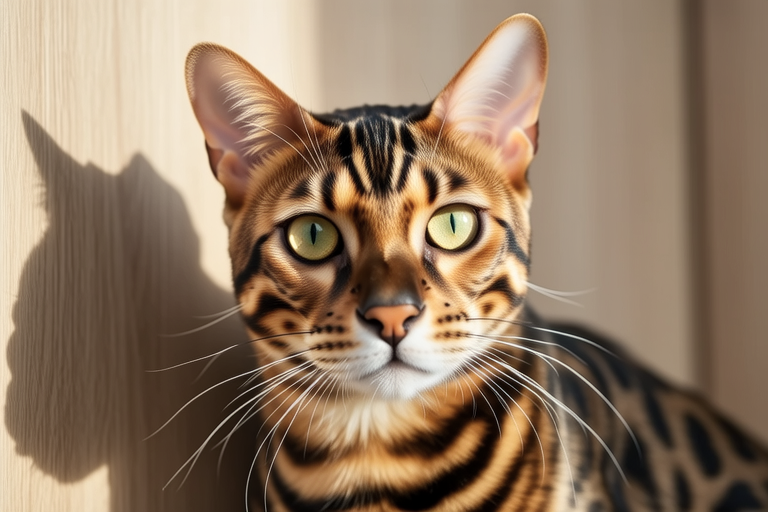
The Ultimate Guide to Owning and Caring for Your Exotic Bengal Cat
Welcome to the world of exotic Bengal cats! These stunning felines are known for their striking appearance and playful personalities. This guide will provide you with everything you need to know about owning and caring for your Bengal cat, from their origins and characteristics to proper nutrition, exercise, grooming, and health concerns.
Origins and Characteristics of Bengal Cats
Bengal cats have an interesting history that dates back to the 1960s when they were first bred by crossing domestic cats with Asian leopard cats. The goal was to create a breed that combined the beauty of wild cats with the temperament of domestic cats. Over time, selective breeding has produced the modern-day Bengal cat, which is now one of the most popular exotic breeds.
Bengal cats are medium to large-sized cats with a muscular build and a distinctive coat pattern. Their coats can be spotted or marbled, with colors ranging from brown to silver to charcoal. One of the most striking features of Bengal cats is their glittering coat, which gives them a shiny, almost metallic appearance under light. Their eyes are typically almond-shaped and can range in color from gold to green, depending on the individual cat’s genetics.
Unique Physical Traits and Temperaments
Bengal cats are known for their high energy levels and playful nature. They are curious and intelligent, often engaging in interactive play with their owners. Unlike many other cat breeds, Bengal cats enjoy water and may even swim. They are also very vocal, often communicating with their owners through chirps, trills, and meows.
Despite their wild ancestry, Bengal cats are generally friendly and affectionate towards humans. They tend to form strong bonds with their owners and can be quite loyal. However, it’s important to note that Bengal cats require a lot of attention and stimulation, as they can become bored or destructive if left alone for long periods.
Proper Nutrition
Feeding your Bengal cat a balanced diet is essential for maintaining their health and well-being. Bengals have higher energy requirements than many other cat breeds due to their active lifestyle, so they need a diet rich in protein and fat. Look for high-quality commercial cat foods that list meat or fish as the primary ingredient, and avoid foods containing fillers or artificial additives.
In addition to commercial cat food, you can supplement your Bengal’s diet with fresh meats such as chicken, turkey, or fish. Be sure to cook these meats thoroughly to eliminate any potential bacteria or parasites. It’s also important to provide your Bengal with plenty of clean, fresh water at all times.
Exercise Needs
Bengal cats are highly active animals that require regular exercise to stay healthy and happy. In addition to providing your Bengal with interactive toys, consider setting up climbing structures or tunnels to encourage physical activity. Bengals also enjoy playing fetch and can be trained to retrieve small objects.
If possible, allow your Bengal some outdoor time in a secure enclosure. This will give them the opportunity to explore and exercise in a natural environment. However, always supervise your Bengal outside and ensure that the enclosure is escape-proof and predator-proof.
Grooming Tips
Bengal cats have short, dense coats that require minimal grooming. Brush your Bengal once or twice a week to remove loose hair and distribute natural oils throughout the coat. During shedding season, you may need to increase the frequency of brushing to prevent hairballs.
Bengals are prone to tear staining, especially around the eyes. To keep their faces clean, wipe them gently with a damp cloth daily. This will also help prevent eye infections. Regular nail trimming is also important, as overgrown nails can cause discomfort and injury. If you’re unsure how to trim your Bengal’s nails, consult with your veterinarian for guidance.
Common Health Issues
Like all breeds, Bengal cats are susceptible to certain health conditions. Some of the most common issues include:
- Hypertrophic cardiomyopathy (HCM): A heart condition that causes thickening of the heart muscle.
- Lysosomal storage disease (LSD): A genetic disorder that affects the nervous system.
- Patellar luxation: A condition where the kneecap dislocates from its normal position.
Regular veterinary check-ups are crucial for early detection and treatment of these and other health issues. Keep track of any unusual symptoms or behaviors and report them to your veterinarian promptly.
Creating a Suitable Living Environment
Bengal cats thrive in environments that provide mental and physical stimulation. Provide your Bengal with plenty of toys, scratching posts, and climbing structures to keep them entertained. Bengals are also very intelligent, so consider incorporating puzzle feeders or other interactive toys into their routine.
Bengals are sensitive to loud noises and sudden movements, so it’s important to create a calm and peaceful living environment. Avoid placing your Bengal in areas with excessive noise or traffic, and provide them with a quiet retreat where they can relax and recharge.
Training Techniques
Bengal cats are highly trainable and can learn a variety of tricks and commands. Positive reinforcement training, using treats and praise, is the most effective method. Start by teaching basic commands like “sit” or “stay,” and gradually introduce more complex behaviors.
Consistency is key when training your Bengal. Establish a routine and stick to it, rewarding good behavior and ignoring bad behavior. With patience and persistence, you can teach your Bengal a wide range of tricks and commands.
Socializing Your Bengal Cat
Socialization is an important part of raising a well-adjusted Bengal cat. Expose your Bengal to different people, animals, and environments from an early age to help them develop confidence and adaptability. Encourage positive interactions with family members, friends, and other pets.
It’s also important to provide your Bengal with opportunities to interact with other cats. Consider enrolling your Bengal in a cat-friendly daycare or arranging playdates with other Bengal cats. This will help your Bengal develop social skills and reduce the risk of behavioral problems.
Responsibilities and Considerations for Potential Owners
Owning a Bengal cat comes with several responsibilities and considerations. Bengals require a significant time commitment, as they need regular interaction and stimulation. They also require a substantial financial investment, including the cost of food, toys, and veterinary care.
Before bringing a Bengal cat into your home, consider whether you have the time, space, and resources to meet their needs. Bengals are not suitable for every household, so it’s important to do your research and make an informed decision.
Conclusion
Owning a Bengal cat can be a rewarding experience for those willing to put in the effort. By understanding their unique needs and providing proper care, you can ensure that your Bengal lives a long, healthy, and happy life. Remember to seek professional advice when needed and always prioritize your Bengal’s well-being.