 By admin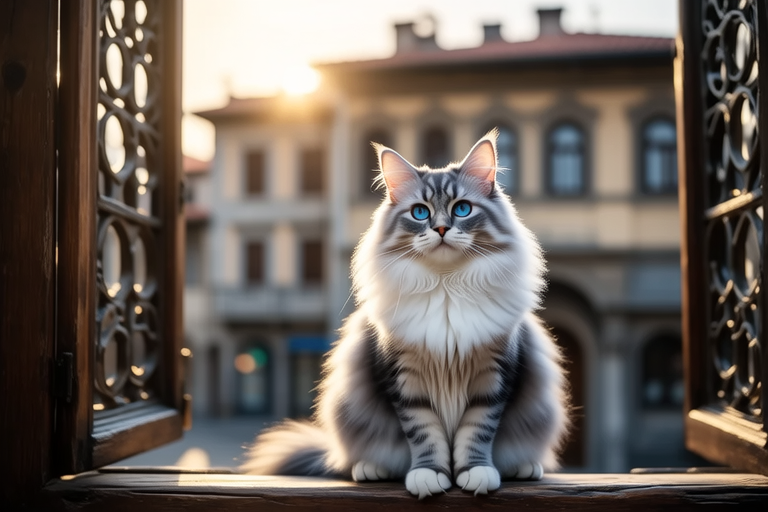
From Myth to Reality: Discovering the Enchanting World of Turkish Angoras
For centuries, Turkish Angora cats have captured the hearts and imaginations of people around the world. Often shrouded in myth and mystery, these elegant felines have a rich history that spans thousands of years. This article delves into the fascinating world of Turkish Angoras, uncovering the truth behind the legends and offering an intimate look at this beloved breed.
Historical Myths Surrounding Turkish Angora Cats
The origins of Turkish Angora cats are steeped in myth and folklore. In ancient times, they were believed to possess magical powers, capable of warding off evil spirits and bringing good fortune to their owners. Legends often portrayed them as mystical creatures, guiding lost souls and protecting homes from harm. These myths have persisted through the ages, contributing to the allure and mystique of the Turkish Angora.
A Journey Through Time: The Evolution of Turkish Angora Cats
Despite their mythical beginnings, Turkish Angora cats have a long and storied history. They are one of the oldest natural breeds of cat, originating from the Ankara region of central Turkey. Historical records suggest that they have been living alongside humans for over 6,000 years. The breed has been celebrated in Turkish culture for centuries, symbolizing purity and elegance.
Physical Characteristics: A Symphony of Grace and Beauty
Turkish Angoras are renowned for their striking appearance. Their most notable feature is their long, silky white coat, which is soft to the touch and requires minimal grooming. While pure white is the most common color, they can also be found in various other colors, including black, red, and tabby patterns. Their large, striking blue eyes add to their ethereal beauty, creating a captivating gaze that captivates anyone who looks into them.
Origins and Historical Significance
The Turkish Angora’s origins lie in the Ankara region of Turkey, where they have been revered for centuries. Their historical significance extends beyond their aesthetic appeal; they were often kept as companions for royalty and nobility. Today, Turkish Angoras are housed at the Ankara Zoo, where they continue to be bred and preserved. This zoo plays a crucial role in maintaining the genetic integrity of the breed.
Temperament: Playful and Affectionate Companions
Turkish Angoras are known for their playful and affectionate nature. They are highly social animals, thriving in environments where they can interact with their human families. Their intelligence and curiosity make them excellent playmates for children and adults alike. They enjoy engaging in interactive games and are always ready for a new adventure. Their affectionate demeanor makes them ideal companions for those seeking a close bond with their pet.
Care Requirements: Ensuring Optimal Health and Happiness
Proper care is essential for maintaining the health and happiness of Turkish Angoras. Their diet should consist of high-quality, protein-rich food that meets their nutritional needs. Regular grooming is necessary to keep their coats healthy and free from tangles. Owners should also pay attention to potential health issues, such as heart murmurs and hypothyroidism, which are more common in this breed.
Dietary Needs
Turkish Angoras require a balanced diet that provides all the necessary nutrients for optimal health. High-quality commercial cat foods are generally sufficient, but it’s important to consult with a veterinarian to ensure the diet meets the specific needs of your cat. Fresh water should always be available.
Grooming Tips
While their coats are relatively low-maintenance, regular grooming is still important. Brushing once or twice a week helps to remove loose hair and prevent matting. Pay special attention to the undercoat during shedding seasons. Bathing should only be done when necessary, as over-bathing can strip the coat of its natural oils.
Health Considerations
Turkish Angoras are generally healthy cats, but they are prone to certain conditions. Regular veterinary check-ups are essential to monitor their health and address any issues early. Common health concerns include heart murmurs, hypothyroidism, and patellar luxation. Genetic testing can help identify predispositions to certain diseases.
Stories from Owners: Cherished Companions
The bond between Turkish Angoras and their owners is often described as unique and profound. Many owners share stories of how these cats have become integral parts of their lives. One owner, Sarah, recounts how her Turkish Angora, named Luna, has brought joy and comfort to her family. “Luna is more than just a pet,” Sarah says. “She’s a member of our family, and her presence brings a sense of peace and happiness.” Another owner, Mark, speaks fondly of his cat, Apollo. “Apollo is always up for a game of fetch or a cozy nap,” he says. “His playful nature and affectionate demeanor make him an irreplaceable part of our home.”
These stories highlight the enchanting qualities of Turkish Angoras and why they are cherished pets. Their grace, beauty, and loving nature make them a delight to be around. Whether playing, lounging, or simply being present, Turkish Angoras bring a special kind of magic into the lives of those fortunate enough to share their homes with them.
In conclusion, Turkish Angora cats are a testament to the enduring charm and allure of feline companionship. From their mythical origins to their current status as beloved pets, they continue to captivate and enchant. Their striking appearance, playful temperament, and strong bond with their owners make them a cherished addition to any household. As we continue to learn more about these magnificent creatures, it becomes increasingly clear why they have held a special place in the hearts of people for thousands of years.