 By admin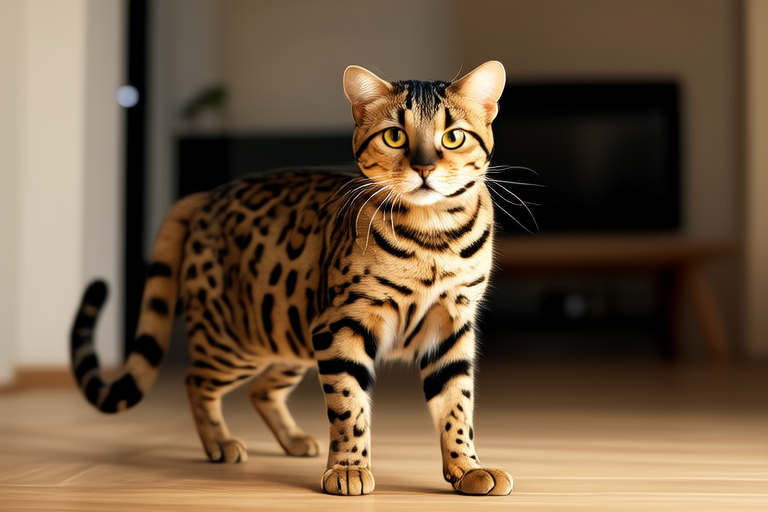
Unleashing the Mystery: All You Need to Know About Bengal Cats
Bengal cats have captured the hearts of many pet lovers with their striking appearance and wild heritage. These majestic creatures, known for their sleek coats and mesmerizing eyes, offer an unparalleled experience for those who appreciate the beauty and energy of felines. This article delves into the world of Bengal cats, providing comprehensive information on their unique characteristics, temperament, care, and suitability as pets.
The Unique Appearance and Wild Heritage
Bengal cats are distinguished by their exotic looks, which set them apart from other domestic breeds. Their coats come in a variety of colors, but most are marked with distinctive rosettes or marbling patterns reminiscent of leopards and jaguars. This visual similarity is no coincidence; the breed’s ancestry traces back to the Asian leopard cat, a small wild feline native to the forests of Asia. The first successful breeding of a domestic cat with an Asian leopard cat occurred in the 1960s, leading to the development of the Bengal cat as we know it today.
Their eyes are another remarkable feature, typically almond-shaped and ranging in color from gold to green. They give Bengal cats an intense gaze that can be both captivating and intimidating. This combination of physical traits makes Bengal cats a sight to behold, whether lounging around the house or playing energetically.
Temperament: Energetic and Social
Beyond their stunning appearance, Bengal cats are renowned for their lively and affectionate personalities. These cats are highly active, requiring ample opportunities for play and exercise. Their playful nature often leads them to engage in interactive games, making them excellent companions for individuals who enjoy an active lifestyle. Owners frequently report that Bengal cats are quick learners, easily adapting to various tricks and commands.
Despite their high energy levels, Bengal cats are also incredibly social animals. They thrive on human interaction and can form strong bonds with their owners. This makes them ideal pets for families looking for a loving and interactive companion. However, their sociability also means they may become distressed if left alone for extended periods, so potential owners should consider their availability to provide consistent companionship.
Grooming Needs
While Bengal cats generally require less grooming than some other breeds due to their short, dense coats, regular maintenance is still essential. Their coats are self-cleaning, reducing the need for frequent bathing. However, brushing once or twice a week helps to remove loose hair and prevent matting. Pay special attention to areas where shedding occurs more heavily, such as the underbelly and tail.
Besides coat care, maintaining dental hygiene is crucial for the overall health of your Bengal cat. Regular brushing and professional cleaning at the vet are recommended to prevent gum disease and tooth decay. Additionally, nail trimming should be part of your routine to avoid overgrown nails, which can lead to discomfort or injury.
Dietary Requirements
A balanced diet is vital for keeping Bengal cats healthy and energetic. High-quality commercial cat food formulated for their specific nutritional needs is generally sufficient. Look for products that list meat as the primary ingredient, ensuring that your cat receives adequate protein. Avoid foods containing fillers like corn or soy, which may cause digestive issues.
Supplementing their diet with occasional treats can enhance bonding time between you and your cat. However, moderation is key, as too many treats can lead to obesity. Fresh water should always be available to ensure proper hydration.
Common Health Issues
Like all breeds, Bengal cats are susceptible to certain health conditions. Hypertrophic cardiomyopathy (HCM), a heart disease, is one of the most prevalent issues affecting this breed. Early detection through regular veterinary check-ups is crucial for managing and treating HCM effectively.
Another concern is patellar luxation, a condition where the kneecap dislocates from its normal position. Symptoms include lameness and difficulty walking. Prompt treatment by a veterinarian can help alleviate symptoms and improve quality of life.
Genetic testing can identify predispositions to these and other health problems, allowing for proactive measures to maintain your Bengal cat’s well-being. Regular visits to the vet for vaccinations, routine check-ups, and preventive care are also important steps in ensuring a long and healthy life for your pet.
Tips for Care and Training
Providing a stimulating environment is essential for the well-being of Bengal cats. Incorporating climbing structures, scratching posts, and toys encourages physical activity and mental engagement. Interactive toys that mimic prey can satisfy their hunting instincts, while puzzle feeders offer mental stimulation during meal times.
Training Bengal cats requires patience and positive reinforcement. Reward-based methods, such as clicker training or offering treats for desired behaviors, are effective ways to teach commands and tricks. Consistency is key when establishing routines and expectations, helping your cat understand what is expected of them.
Creating a safe space within your home is important for Bengal cats. Providing access to high perches allows them to observe their surroundings from above, which satisfies their natural curiosity. Ensure windowsills and furniture are secure enough to support their weight, preventing accidents.
Why Bengal Cats Make Fascinating Pets
Bengal cats bring a unique blend of wild allure and domestic charm to any household. Their striking appearance, combined with their affectionate and playful nature, makes them stand out among other cat breeds. For the right family, Bengal cats offer a rewarding companionship filled with adventure and joy.
Choosing a Bengal cat as a pet is a commitment that requires understanding and meeting their specific needs. With proper care, attention, and love, these magnificent creatures will reward you with years of loyalty and companionship. Whether you’re an experienced cat owner or considering adding a feline friend to your family, a Bengal cat could be the perfect addition to your home.