 By admin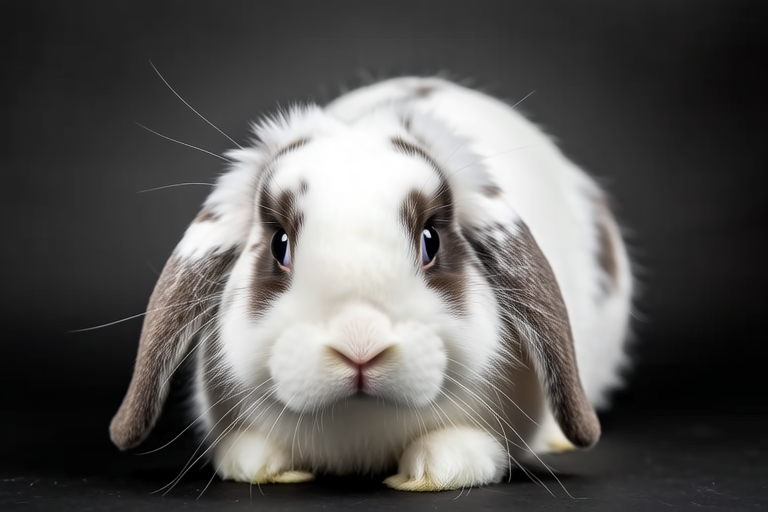
Hotot Rabbits Are Secretly the Most Expressive Little Fluffballs
There’s something undeniably magical about a rabbit that looks like it stepped out of a fairy tale. And if you’ve ever locked eyes with a Hotot rabbit—those snowy-white bunnies with bold, inky black markings around their eyes and nose—you know exactly what we mean. But beyond their jaw-dropping appearance, these fluffy little bundles of charm are far more than just Instagram-worthy pets. They’re expressive, intelligent, and deeply emotional companions, quietly communicating joy, curiosity, and even sass through subtle facial tics and body language.
Let’s talk about why Hotots aren’t just adorable—they’re downright *personality-packed* fluffballs with souls as big as their ears.
The Look That Speaks Volumes
First, let’s appreciate the artistry of nature: Hotots are born with a coat so pure white it seems to glow under sunlight, like moonlight on fresh snow. But it’s the contrast that steals the show—the sharp, perfectly symmetrical black “mask” framing their face. These markings aren’t random; they’re a hallmark of the breed, creating a striking visual effect that instantly draws attention. It’s like someone painted a tiny raccoon’s mask onto a cloud.
But here’s the secret no one talks about: those markings aren’t just for show. They amplify every twitch, blink, and eyebrow raise. When a Hotot leans forward with its head tilted, those dark circles make its eyes seem even larger, more soulful. A slight ear flick or a slow blink becomes an entire conversation. You don’t need words when your bunny can convey suspicion, delight, or mild disdain with just a glance.
I once watched a Hotot named Mochi freeze mid-hop, her ears pinned back, eyes wide and unblinking—her black-rimmed gaze locked on a crumpled piece of paper. In that moment, she wasn’t just curious; she was conducting a full-scale investigation. Her expression said, *“What is this mysterious object? Is it edible? Dangerous? A trap?”* And yes, it turned out to be a discarded wrapper from my lunch. She sniffed it, then gave it a firm, judgmental nudge with her nose before hopping away. Mission accomplished.
Expressive Faces, Quiet Voices
Hotots don’t bark or meow. They don’t howl or chirp. But don’t mistake silence for lack of emotion. Their faces are a rich tapestry of micro-expressions—subtle, fleeting, but utterly telling.
When a Hotot is happy, you’ll notice a soft relaxation around the mouth, almost like a contented smile. Their eyes will narrow slightly, and their whiskers might quiver with quiet excitement. If you’re lucky, they’ll stretch into a full-body yawn—a rare treat that reveals their pink tongue and delicate teeth, followed by a deep sigh that seems to say, *“Ah, bliss.”*
They’re also masters of the “side-eye.” There’s nothing quite like a Hotot slowly turning its head, locking you in a steady stare with those dramatic black-rimmed eyes, while one ear remains perked and the other droops. It’s not just funny—it’s a statement. That look says, *“You’re being ridiculous. I’m judging you. But I’ll forgive you… eventually.”*
And then there’s the guilty face. Oh, the guilty face. One afternoon, I found my Hotot, Pip, sitting proudly atop my bookshelf, tail puffed, surrounded by shredded paper. He hadn’t just nibbled—he’d gone full demolition mode. When I walked in, he didn’t run. He just looked at me, blinked slowly, then tucked his chin into his chest and let out a tiny, almost imperceptible *“uh-oh”* sound. It was all in the posture: vulnerable, apologetic, and yet still faintly proud of his handiwork. I couldn’t stay mad. Not when he looked like a tiny, furry conspirator caught red-pawed.
Intelligence That Sneaks Up on You
Hotots aren’t just expressive—they’re clever. And their intelligence often shows up in unexpected ways. They learn routines quickly, remember who feeds them and when, and can even be trained to respond to their name. Some owners report their Hotots coming running at the sound of a specific jar opening or even recognizing the jingle of keys.
One friend of mine taught her Hotot, Luna, to “come” using a soft whistle. After just two weeks of consistent practice, Luna would hop over from across the room—sometimes even before the whistle was fully blown. When she arrived, she’d pause, tilt her head, and wait expectantly. Like she was saying, *“Yes, I heard you. Now, what’s the reward?”*
They’re also surprisingly good problem solvers. Watch a Hotot try to reach a treat hidden behind a small obstacle, and you’ll see them push, pull, nudge, and reposition with purpose. They don’t give up easily. If one method fails, they’ll try another—often with surprising patience and focus.
And yes, they *do* understand when you’re joking. My own Hotot, Biscuit, has developed a habit of pretending to be asleep whenever I start talking about treats. I’ll say, “Time for a carrot?” and she’ll flop onto her side, eyes closed, ears limp. But I’ve learned to watch the corners of her mouth—when she’s truly asleep, her lips are relaxed. When she’s faking, there’s a tiny twitch. The game is on. We both know it. And we both enjoy it.
Social Butterflies in Fur Coats
Hotots thrive on connection. They’re not aloof or indifferent—they crave attention, interaction, and affection. Unlike some rabbits that prefer solitude, Hotots form strong, lasting bonds with their humans. They’ll follow you from room to room, sit beside you while you read, or even hop onto your lap during quiet moments, curling into a tight, warm ball.
They’re also excellent with children (with proper supervision), as long as the kids understand that gentle handling is key. Hotots love being petted—not aggressively rubbed, but with soft, deliberate strokes along their back and under their chin. When they purr (yes, they do!), it’s a low rumble deep in their chest, like a tiny engine of contentment. It’s one of the most soothing sounds in the animal kingdom.
And if you’re wondering whether they get lonely? Absolutely. Hotots don’t do well when left alone for long stretches. They miss you. They’ll call out—soft thumps of their hind legs, or a quiet “bink” (that joyful leap into the air) when you return. It’s not just happiness; it’s relief. They’re saying, *“You came back. Thank goodness.”*
Playful, Curious, and Occasionally Mischievous
Don’t let their sweet demeanor fool you—Hotots are natural-born adventurers. They love exploring new spaces, squeezing through small gaps (if they fit, they’ll go), and rearranging the furniture with their noses. One of my favorite memories involves a Hotot named Sprout, who discovered a pile of laundry left on the floor. Within minutes, she’d transformed it into a fort, burrowed inside, and declared it her royal throne. She sat proudly in the middle, occasionally peering out like a tiny, white monarch surveying her domain.
They’re also obsessed with tunnels and hidey-holes. Give them a cardboard box, and they’ll turn it into a labyrinth of secret passages. Add a few holes cut in the sides, and suddenly you have a full-fledged rabbit subway system. Watching them dart in and out, tail twitching, ears flopping, is pure joy.
And yes, they do sneak snacks. I once found my Hotot, Mochi, chewing on the edge of a kitchen sponge. She looked innocent—until I noticed the sponge had a faint carrot scent. Apparently, she’d decided it was worth investigating. When I asked why, she simply stared at me with those huge, dark-rimmed eyes, then went back to chewing. No guilt. No remorse. Just pure, unapologetic curiosity.
Why Hotots Stand Out
In a world full of cute pets, Hotots are different. They’re not just animals with a pretty face—they’re sentient beings with depth, wit, and emotional nuance. Their unique markings don’t just enhance their beauty; they serve as a canvas for their feelings, making their expressions impossible to ignore.
They’re not loud or demanding. They don’t need constant entertainment. But when they choose to interact, it’s meaningful. They remember your voice, your scent, your presence. They greet you not with frantic hops, but with thoughtful, deliberate approaches—like they’re deciding whether today is a good day to share their heart.
And in return, they offer something rare: quiet companionship, genuine affection, and a daily dose of wonder. Every time you see that black-masked face lift in curiosity, or catch a slow blink that feels like a shared secret, you’re reminded: this isn’t just a pet. This is a friend.
A Final Word of Wonder
If you’ve been thinking about getting a rabbit, consider a Hotot. They’re not just beautiful—they’re emotionally intelligent, socially bonded, and endlessly entertaining. Their expressive faces, subtle gestures, and playful personalities make them stand out in a sea of fluffy companions.
They may be small. They may be quiet. But don’t underestimate the depth of their spirit. In the soft rustle of fur, the flick of an ear, the way they tilt their head just so—there’s a whole world of feeling, memory, and personality.
So next time you see a Hotot rabbit, take a moment. Look into those striking black-rimmed eyes. Don’t just admire the beauty. Listen to the story they’re telling—because behind that snowy coat lies a little fluffball with a heart full of expression, a mind full of curiosity, and a soul ready to bond.
They’re not just cute. They’re unforgettable.