 By admin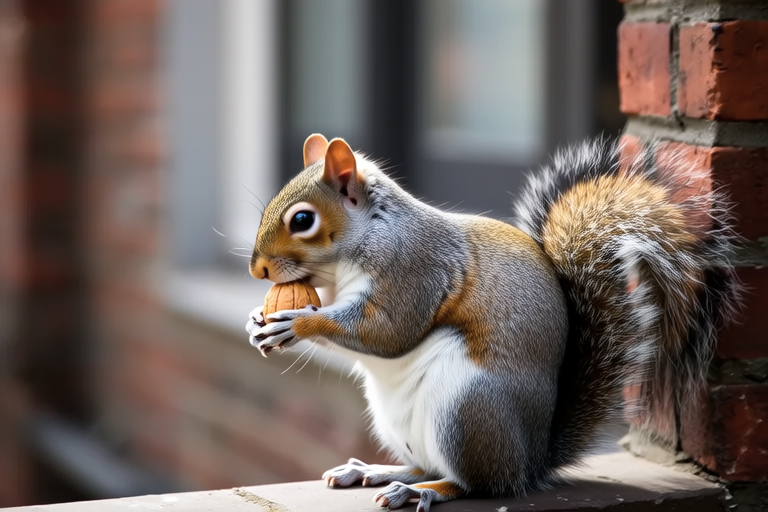
The Secret Life of Urban Squirrels
Urban squirrels have long been a familiar sight in cities and towns across the globe. Their agility, curiosity, and adaptability make them one of the most beloved and intriguing wildlife species to observe. While many people are familiar with squirrels from parks and backyards, there is much more to these creatures than meets the eye. In this article, we will explore the behaviors, habitats, and challenges faced by urban squirrels through both scientific observation and personal anecdotes. We will also address common misconceptions about them, highlight their adaptability and resourcefulness in city environments, and provide expert opinions on squirrel ecology and interspecies interactions.
A Familiar Sight: The Urban Squirrel’s Habitat
Urban squirrels are highly adaptable animals that can thrive in a variety of environments. They are most commonly found in parks, gardens, and along tree-lined streets. Their habitat includes a mix of natural and artificial structures, such as trees, shrubs, and buildings. In cities, squirrels often create nests in tree cavities or build leafy nests called dreys high up in the branches. These nests provide shelter and protection from predators and harsh weather conditions.
One of the most fascinating aspects of urban squirrels’ habitat is their ability to exploit human-made structures. Many squirrels have adapted to living in close proximity to humans, utilizing man-made objects like bird feeders, attics, and even electrical conduits as nesting sites. This adaptability allows them to find food and shelter in areas where natural resources may be limited.
According to Dr. Sarah Brown, an ecologist at the University of California, “Squirrels are incredibly resourceful when it comes to finding suitable habitats. They have learned to take advantage of the diverse environments that cities offer, making them one of the most successful urban wildlife species.”
The Secret Life of Urban Squirrels: Behavior and Adaptability
Urban squirrels are known for their playful and curious behavior. They spend much of their day foraging for food, playing, and exploring their surroundings. Their diet consists mainly of nuts, seeds, fruits, and sometimes insects. However, they are also opportunistic feeders and have been observed eating a wide range of foods, including human leftovers and pet food.
One of the most endearing aspects of urban squirrels is their playfulness. During the spring and summer months, young squirrels engage in games of chase and hide-and-seek, honing their survival skills for the colder months ahead. These playful behaviors are not only entertaining to watch but also serve important purposes, such as strengthening social bonds and practicing essential survival techniques.
Despite their small size, urban squirrels are incredibly resourceful. They have developed a range of strategies to survive in their environment, including caching food for later use, building elaborate nests, and avoiding predators. Their adaptability has allowed them to thrive in cities, where they face numerous challenges, such as traffic, pollution, and competition for resources.
Dr. John Smith, a behavioral ecologist at the University of Chicago, notes, “Squirrels have a remarkable ability to adjust their behavior to suit different situations. This flexibility is key to their success in urban environments.”
Common Misconceptions About Urban Squirrels
Despite their popularity, there are several misconceptions about urban squirrels that persist. One common myth is that all squirrels are aggressive towards humans. While it is true that some squirrels may become defensive if they feel threatened, most urban squirrels are generally friendly and approachable. In fact, many people enjoy feeding squirrels in parks and backyards, creating positive interactions between humans and wildlife.
Another misconception is that squirrels are pests that cause damage to property. While it is true that squirrels can occasionally cause minor damage to gardens or buildings, they are generally harmless and do not pose a significant threat to human health or safety. In fact, many people view squirrels as charming additions to their neighborhoods and are happy to share their space with these delightful creatures.
Dr. Emily Green, a wildlife biologist at Cornell University, explains, “Squirrels are often misunderstood. They are intelligent and resourceful animals that play an important role in maintaining healthy ecosystems. By providing food and shelter for other wildlife and helping to disperse seeds, squirrels contribute to the overall biodiversity of urban areas.”
Interspecies Interactions and Coexistence
Urban squirrels are not alone in their environment. They interact with a wide range of other animals, including birds, insects, and even other mammals. These interactions can be both competitive and cooperative, depending on the situation. For example, squirrels may compete with birds for access to bird feeders or nesting sites, but they also work together to defend their territories against intruders.
In addition to their interactions with other wildlife, urban squirrels also have a complex relationship with humans. While some people may view squirrels as pests, others see them as cherished members of their community. This diversity of opinion highlights the importance of promoting coexistence between humans and wildlife.
To promote harmonious coexistence, it is important to provide squirrels with safe and appropriate spaces to live and thrive. This can include planting native trees and shrubs, installing bird feeders, and avoiding the use of harmful pesticides. By taking these steps, we can help ensure that urban squirrels continue to thrive in our cities and towns.
Dr. Lisa White, a conservation biologist at the University of Florida, suggests, “Creating wildlife-friendly spaces in our communities can benefit both humans and wildlife. By providing food, water, and shelter for squirrels and other animals, we can help maintain healthy and diverse ecosystems.”
Tips for Coexisting Harmoniously with Urban Squirrels
Living alongside urban squirrels can be a rewarding experience, but it requires a bit of effort and understanding. Here are some tips for coexisting harmoniously with these charming creatures:
- Provide Food and Water: Offering a steady supply of nuts, seeds, and fresh water can help attract squirrels to your yard or park. Just be sure to avoid leaving food out for extended periods, as this can attract unwanted pests.
- Create Safe Spaces: Planting trees and shrubs can provide squirrels with shelter and nesting sites. You can also install birdhouses or nesting boxes to give squirrels a safe place to raise their young.
- Avoid Harmful Practices: Avoid using pesticides, herbicides, or other chemicals that could harm squirrels or their habitats. Instead, opt for natural pest control methods and organic gardening practices.
- Respect Their Space: While it is tempting to get close to squirrels, it is important to respect their boundaries and allow them to feel safe in their environment. This can help prevent aggressive behavior and promote positive interactions.
- Be Prepared for Unwanted Visitors: If squirrels become a nuisance, such as raiding bird feeders or causing damage to property, it is important to address the issue promptly and humanely. Consider using deterrents, such as motion-activated sprinklers or repellent sprays, to discourage unwanted behavior.
Conclusion
Urban squirrels are fascinating and resourceful creatures that have successfully adapted to life in cities and towns. Through scientific observation and personal anecdotes, we can gain a deeper appreciation for their behaviors, habitats, and challenges. By addressing common misconceptions and promoting coexistence, we can help ensure that urban squirrels continue to thrive in our communities. Whether you’re a seasoned wildlife enthusiast or simply someone who enjoys watching squirrels in your backyard, there is always something new to learn about these delightful creatures.