 By admin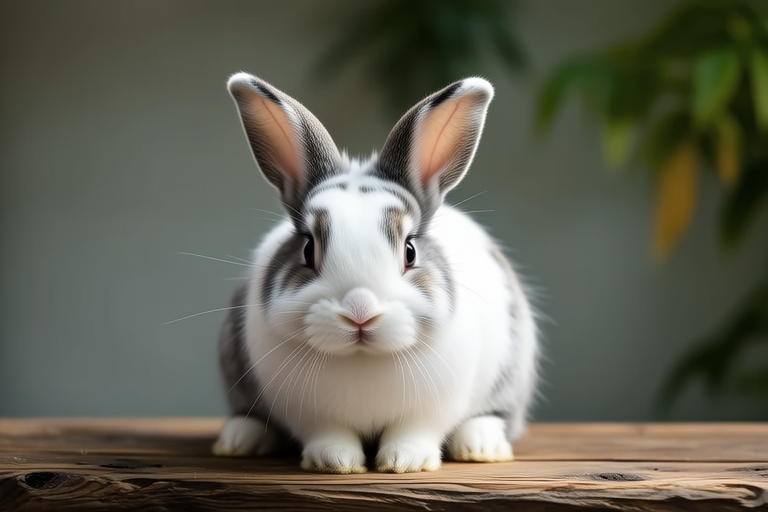
The Ultimate Guide to Keeping Your Dutch Dwarf Happy and Healthy
Welcoming a Dutch Dwarf into your home is an exciting step. These adorable creatures are known for their small size, friendly nature, and unique personalities. However, to ensure they live a long, healthy, and joyful life, it’s crucial to understand their specific needs. This guide will cover everything from ideal living environments to common health issues, providing you with all the information you need to be the best owner possible.
Ideal Living Environments
Dutch Dwarfs are social animals that thrive in safe, stimulating environments. The first step in keeping them happy is providing a spacious cage. A minimum of 24 inches long, 18 inches wide, and 18 inches high is recommended for a single rabbit. For multiple rabbits, the space should be proportionally larger.
The cage should have a solid floor to prevent injuries from wire floors. Provide soft bedding such as hay or shredded paper, ensuring it’s changed regularly to maintain hygiene. Include hiding spots like cardboard boxes or tunnels to give your rabbit a sense of security.
Temperature is also crucial. Dutch Dwarfs prefer temperatures between 60-70°F (15-21°C). Avoid placing their cage near drafts or direct sunlight. A quiet, calm environment is ideal, but some mental stimulation through toys or gentle sounds can be beneficial.
Dietary Needs
A well-balanced diet is vital for a Dutch Dwarf’s health. Their primary food should be unlimited access to fresh timothy hay, which aids digestion and provides necessary fiber. Pellets formulated for small breeds should make up about 1/8 cup per day for adults.
Fresh vegetables are a great addition, offering essential vitamins and minerals. Safe choices include carrots, spinach, and bell peppers. Introduce new vegetables gradually to avoid digestive upset. Fresh water must always be available, either through a sipper bottle or a bowl.
Avoid feeding them excessive amounts of fruits due to their sugar content. Occasional treats like small pieces of fruit can be given but should be limited to prevent obesity.
Exercise Requirements
Dutch Dwarfs need regular exercise to stay fit and healthy. Daily out-of-cage time is essential, allowing them to stretch, explore, and play. Supervised play sessions in a bunny-proofed room are ideal. Ensure there are no hazards like electrical cords or toxic plants.
Interactive toys like chew sticks, tunnels, and balls can stimulate their minds and bodies. Exercise not only prevents obesity but also reduces stress and anxiety. Aim for at least two hours of supervised exercise daily.
Grooming Tips
Grooming is an important part of maintaining your Dutch Dwarf’s health and happiness. Regular brushing helps remove loose hair, reducing the risk of hairballs. Use a slicker brush or a soft-bristled brush for this task.
Bathing should be infrequent, typically only when absolutely necessary, as frequent baths can strip their coat of natural oils. If you do bathe your rabbit, use a mild shampoo specifically designed for pets and ensure they are thoroughly dried afterward.
Inspect their nails weekly and trim them if necessary. Overgrown nails can cause discomfort and difficulty walking. Consult a veterinarian for proper trimming techniques if unsure.
Common Health Issues
Dutch Dwarfs are generally healthy but can be prone to certain conditions. Dental problems are common, often caused by poor diet or genetics. Signs include drooling, reluctance to eat, and weight loss. Regular dental check-ups are essential.
Obesity is another concern, especially if the diet is too rich in pellets or treats. Maintain a balanced diet and encourage regular exercise to keep your rabbit at a healthy weight.
Respiratory infections can occur if the environment is too cold or damp. Watch for sneezing, nasal discharge, or labored breathing. Prompt veterinary care is necessary if these symptoms appear.
Signs of a Happy and Healthy Dutch Dwarf
A healthy Dutch Dwarf is active, curious, and interacts positively with its surroundings. They should have clear eyes, clean noses, and firm, glossy coats. Regular bowel movements and a healthy appetite are also good indicators.
Behavioral signs of happiness include playing, exploring, and seeking attention. They should be comfortable in their environment and show interest in their surroundings. Avoidance of interaction or lethargy could indicate illness or distress.
Conclusion
Owning a Dutch Dwarf is a rewarding experience, filled with joy and companionship. By understanding and meeting their specific needs, you can ensure they lead a happy and healthy life. Remember, each rabbit is unique, so pay close attention to their individual preferences and behaviors. With love, care, and attention, you’ll enjoy many years of companionship with your Dutch Dwarf.