 By admin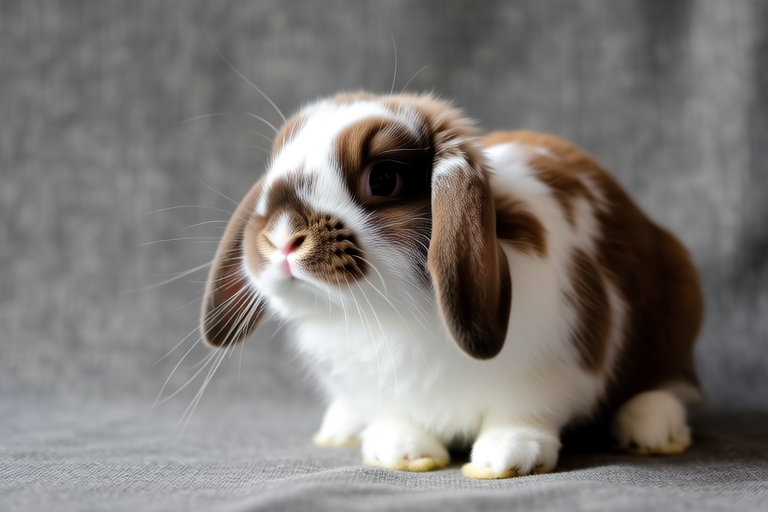
From Hopsy to Thumper: Unveiling the Charm of Dutch Dwarf Rabbits
Dutch Dwarf rabbits, known for their small size, friendly demeanor, and striking appearance, have captured the hearts of many pet lovers around the world. These adorable creatures are the epitome of charm and grace, making them perfect companions for those looking for a low-maintenance yet affectionate pet.
A Brief Introduction to Dutch Dwarfs
Dutch Dwarfs are one of the smallest breeds of domestic rabbits, typically weighing between 1.5 to 2.5 pounds. Their compact size makes them ideal for apartment living or small homes. Despite their diminutive stature, these rabbits are robust and healthy, with a life expectancy of 5 to 8 years if well cared for.
One of the most distinctive features of Dutch Dwarfs is their coat, which can be found in a variety of colors and patterns. The most common coloration is the ‘broken’ pattern, characterized by a white body with dark patches around the eyes, ears, and feet. This classic look has earned them the nickname ‘Dutchies,’ a term that perfectly captures their charming and cheerful nature.
The Personality of Dutch Dwarfs
Dutch Dwarfs are known for their gentle and friendly disposition. They are highly social animals that enjoy human interaction and can often be seen seeking out attention from their owners. Two rabbits named Hopsy and Thumper exemplify the breed’s temperament.
Hopsy, a female Dutch Dwarf, is a curious and playful rabbit who loves to explore her surroundings. She enjoys digging in her litter box and playing with her toys. Thumper, on the other hand, is more reserved but still enjoys spending time with his owner. He prefers quiet moments of grooming and relaxation.
Both Hopsy and Thumper require regular attention and interaction to maintain their mental and physical well-being. Providing them with stimulating activities and ample space to move around is essential for their happiness.
The History and Origins of Dutch Dwarfs
The origins of the Dutch Dwarf rabbit can be traced back to the Netherlands in the early 1900s. Initially bred as a smaller version of the larger Dutch Rabbit, Dutch Dwarfs were developed by crossing various dwarf breeds with the standard Dutch Rabbit. By the mid-20th century, Dutch Dwarfs had become a popular pet in Europe and later gained recognition in North America.
Today, Dutch Dwarfs are one of the most beloved rabbit breeds worldwide. Their popularity stems from their unique combination of small size, attractive appearance, and amiable personality. Many rabbit enthusiasts and breeders appreciate the challenge of breeding Dutch Dwarfs to achieve the ideal standard, while others simply enjoy the companionship they provide.
Care Tips for Dutch Dwarf Owners
Dietary Needs
Proper nutrition is crucial for the health and longevity of your Dutch Dwarf rabbit. A balanced diet should consist primarily of hay, supplemented with fresh vegetables and a limited amount of pellets. Timothy hay is particularly recommended for its high fiber content, which aids in digestion and dental health.
It’s important to introduce new foods gradually to avoid digestive upset. Additionally, ensure that your rabbit has access to clean, fresh water at all times.
Housing Considerations
Dutch Dwarfs thrive in spacious, secure environments that allow for plenty of movement and exploration. An indoor cage or hutch with a minimum floor area of 4 square feet is suitable for a single rabbit. However, providing additional space for playtime and exercise is beneficial for their overall well-being.
Choose bedding material carefully, as some materials can be harmful to rabbits. Hay-based products or recycled paper are good options. Ensure that the enclosure is well-ventilated and protected from drafts, direct sunlight, and extreme temperatures.
Health Considerations
Regular veterinary check-ups are vital for maintaining the health of your Dutch Dwarf rabbit. Common health issues include dental problems, respiratory infections, and digestive disorders. Early detection and treatment can prevent these conditions from becoming serious.
Grooming your rabbit regularly helps keep their coat in good condition and reduces the risk of hairballs. Use a soft brush to gently remove loose fur, especially during shedding seasons.
Why Dutch Dwarfs Make Wonderful Companions
Dutch Dwarfs are delightful pets that bring joy and companionship into the lives of their owners. Their small size, combined with their friendly and affectionate nature, makes them suitable for families, individuals, and even older adults.
These rabbits are relatively easy to care for, requiring minimal grooming and a moderate amount of space. Their intelligence and curiosity make them enjoyable to interact with, and their gentle demeanor ensures that they are safe around children.
Whether you’re a seasoned rabbit owner or considering adopting your first pet, Dutch Dwarfs offer a rewarding experience. Their charm and adaptability make them an excellent choice for those looking for a loving and loyal companion.