 By admin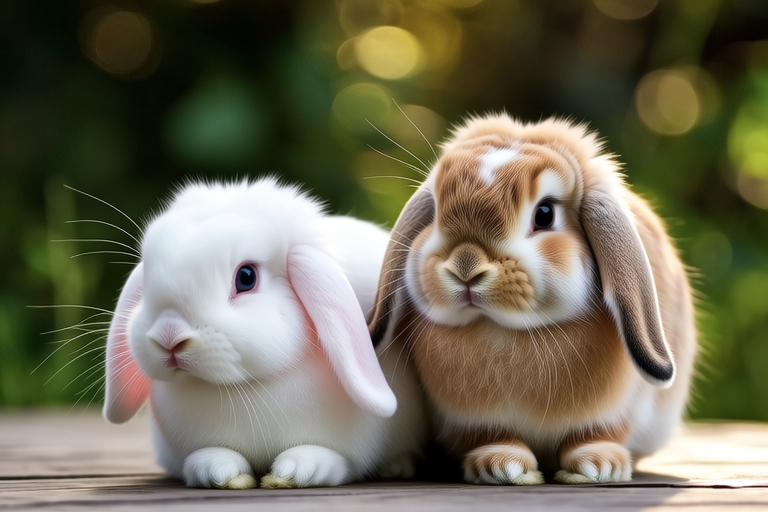
Tiny Tails and Big Hearts: The Charm of Dutch Dwarf Rabbits
Welcome to the enchanting world of Dutch Dwarf rabbits! These pint-sized wonders are not only one of the smallest domesticated rabbit breeds but also possess an endearing charm that has captured the hearts of many pet lovers. With their compact size and striking appearance, Dutch Dwarfs are the perfect companions for those seeking a loving, low-maintenance pet. In this article, we will explore the unique characteristics, origins, living conditions, dietary needs, behaviors, and the joys of owning a Dutch Dwarf rabbit.
The Unique Characteristics of Dutch Dwarf Rabbits
Dutch Dwarf rabbits are a breed known for their petite stature, typically weighing between 1.8 and 2.3 kilograms (4 to 5 pounds). Their diminutive size makes them an ideal choice for apartment dwellers or anyone with limited space. Despite their small frame, these rabbits pack a lot of personality, making them a delightful addition to any home.
One of the most striking features of Dutch Dwarfs is their distinctive coloration. They come in a variety of colors and patterns, including black, chocolate, blue, and fawn, often with contrasting white markings on their faces, necks, and feet. This unique coloring gives them a charming, almost regal appearance. Their short, dense fur is soft to the touch and requires minimal grooming, making them a practical choice for busy pet owners.
A Brief History of Dutch Dwarf Rabbits
The history of Dutch Dwarf rabbits dates back to the early 20th century in the Netherlands. Breeders sought to create a small, docile rabbit with a robust constitution and a friendly demeanor. By crossing several dwarf breeds, including the Netherland Dwarf and the Dutch rabbit, they succeeded in developing the Dutch Dwarf. These rabbits were initially bred for meat production but quickly gained popularity as pets due to their charming appearance and gentle nature.
Ideal Living Conditions for Dutch Dwarf Rabbits
Dutch Dwarf rabbits thrive in environments that provide ample space for exercise and mental stimulation. While they require less space than larger breeds, it’s important to remember that they still need room to move around and play. A spacious cage or enclosure with at least 1 square meter (11 square feet) of floor space is recommended. The cage should be equipped with a solid bottom to prevent sore hocks, which can occur if the rabbit spends too much time on wire flooring.
In addition to a comfortable living area, Dutch Dwarfs need access to safe areas where they can explore and interact with their surroundings. A secure outdoor run or a well-fenced indoor play area allows them to stretch their legs and engage in natural behaviors like digging and hopping. Ensure that the environment is free from dangers such as toxic plants, sharp objects, and predators.
Dietary Needs of Dutch Dwarf Rabbits
A balanced diet is essential for maintaining the health and vitality of Dutch Dwarf rabbits. Their diet should consist primarily of high-quality hay, which provides necessary fiber and aids in digestion. Fresh vegetables and fruits can be offered in moderation as treats, but it’s crucial to introduce new foods gradually to avoid digestive upset. Pellets formulated specifically for rabbits can be given in small quantities to supplement their nutritional needs.
Water is vital for Dutch Dwarfs, so always provide fresh, clean water in a spill-proof bottle or bowl. Regularly check and refill their water supply to ensure they stay hydrated.
Common Behaviors and Personalities of Dutch Dwarf Rabbits
Dutch Dwarf rabbits are known for their curious and playful nature. They enjoy exploring their surroundings and interacting with their human companions. These rabbits are generally docile and easy to handle, making them excellent pets for families with children. However, it’s important to teach children how to approach and hold rabbits gently to avoid injury.
Despite their small size, Dutch Dwarfs are intelligent and can learn simple commands and tricks through positive reinforcement. Training sessions should be short and fun, using treats as rewards to encourage good behavior. Socialization is key to building a strong bond with your rabbit, and spending quality time together will help strengthen your connection.
Tips for Handling, Training, and Bonding with Your Dutch Dwarf Rabbit
Handling Dutch Dwarf rabbits requires patience and gentleness. When picking up your rabbit, support their hindquarters to prevent injury. Always approach them calmly and allow them to become accustomed to your presence before attempting to handle them. If your rabbit shows signs of stress, such as flattening their ears or thumping their hind legs, give them some space until they feel more relaxed.
Training your Dutch Dwarf rabbit can be a rewarding experience. Start with basic commands like coming when called or sitting on command. Use treats to reward desired behaviors and maintain consistency during training sessions. Bonding with your rabbit takes time, but regular interaction and positive experiences will foster a strong, affectionate relationship.
The Responsibilities of Owning a Dutch Dwarf Rabbit
Owning a Dutch Dwarf rabbit comes with certain responsibilities to ensure their health and happiness. Regular veterinary care is essential, including annual check-ups and vaccinations. Dental health is particularly important, as dental issues can lead to serious health problems if left untreated. Providing proper nutrition, a clean living environment, and opportunities for exercise are all crucial aspects of responsible rabbit ownership.
Mental stimulation is just as important as physical exercise. Engage your rabbit with toys, tunnels, and other interactive items to keep them mentally active. Rotate toys periodically to prevent boredom and maintain interest. Providing a stimulating environment will contribute to your rabbit’s overall well-being and longevity.
Lastly, consider adopting a companion for your Dutch Dwarf rabbit if you have the space and resources. Rabbits are social animals and may benefit from the companionship of another rabbit. Introducing a new rabbit should be done gradually to ensure compatibility and reduce stress.
In conclusion, Dutch Dwarf rabbits are a delightful breed with a winning combination of charm and personality. Their compact size, striking appearance, and friendly demeanor make them an excellent choice for pet lovers of all ages. By providing a nurturing environment, a balanced diet, and plenty of love and attention, you can ensure that your Dutch Dwarf rabbit lives a happy and healthy life. Embrace the joy of tiny tails and big hearts, and welcome a Dutch Dwarf rabbit into your family today!