 By admin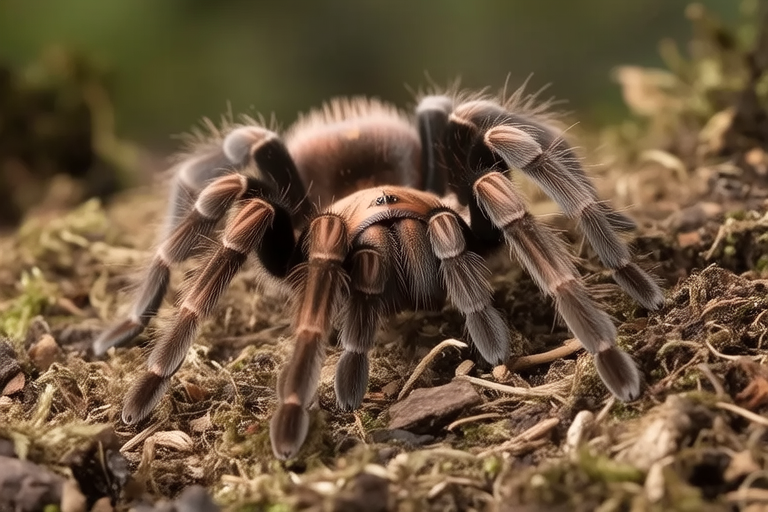
Caring for Your Chilean Rose Tarantula: Tips from an Expert Owner
The Chilean rose tarantula (Grammostola rosea) is one of the most popular species among tarantula enthusiasts due to its relatively docile nature, attractive appearance, and manageable care requirements. This article aims to provide comprehensive guidance on caring for your Chilean rose tarantula, covering essential aspects such as habitat setup, temperature and humidity requirements, feeding habits, handling tips, health concerns, and dispelling common myths.
Habitat Setup
Creating a suitable environment for your Chilean rose tarantula is crucial for its well-being. The enclosure should be large enough to allow for natural behaviors like burrowing and roaming. A 10-gallon tank is sufficient for an adult, but larger enclosures are preferable for younger specimens as they grow. Ensure that the enclosure has proper ventilation to prevent stagnant air, which can lead to respiratory issues.
The substrate should mimic the arid conditions of the tarantula’s natural habitat. Use a mixture of coconut fiber and sand, ensuring it is deep enough (about 4 inches) to allow for burrowing. Add hiding spots like cork bark or half logs to provide security. Avoid using small gravel or loose materials that could be ingested accidentally.
Lighting is not necessary for these nocturnal creatures; however, providing a photoperiod of 12 hours light and 12 hours dark can help regulate their circadian rhythms. Position the tank away from direct sunlight to prevent overheating.
Temperature and Humidity Requirements
Maintaining optimal temperature and humidity levels is vital for your Chilean rose tarantula’s health. The ideal temperature range is between 78°F and 82°F (26°C to 28°C). Temperatures below 70°F (21°C) can cause stress and slow metabolism, while temperatures above 90°F (32°C) can be dangerous. Use a digital thermometer placed inside the enclosure to monitor temperature accurately.
Humidity levels should be kept between 40% and 60%. Too much moisture can lead to fungal infections, while too little can cause dehydration. Monitor humidity with a hygrometer and adjust accordingly by misting the enclosure lightly or adding a water dish.
To maintain stable conditions, consider using a heat mat placed under one side of the enclosure rather than a heat lamp, which can create hotspots. Ensure there is always a cool area within the enclosure for your tarantula to retreat to if needed.
Feeding Habits
Chilean rose tarantulas are opportunistic feeders and will consume a variety of prey items. In captivity, they primarily eat crickets, mealworms, and dubia roaches. Feed juveniles every 5-7 days and adults once a week. The size of the prey should be appropriate; it should not exceed the width of the tarantula’s abdomen.
Varying the diet with different insects can provide a more balanced nutrition. Dust the prey with calcium and vitamin supplements before feeding to ensure your tarantula receives all necessary nutrients. Remove uneaten prey after a few hours to prevent potential harm to your tarantula.
Observing feeding behavior is also important. If your tarantula is not showing interest in food, it might be molting soon or experiencing health issues. Consult an expert if you notice prolonged refusal to eat.
Handling Tips
While Chilean rose tarantulas are generally docile, they can become defensive if mishandled. Always handle your tarantula with care and respect. Use a foam cup or tarantula hook to gently guide them out of their enclosure. Never grab them by their legs or body; instead, let them walk onto your hand slowly.
Handling should be minimized to reduce stress and the risk of accidental injury. Some individuals may flick urticating hairs when threatened, which can cause irritation to human skin. Always wash your hands thoroughly after handling your tarantula or cleaning its enclosure.
When introducing a new tarantula to your home, give it time to acclimate to its surroundings before attempting to handle it. Patience is key in building trust and understanding your pet’s unique personality.
Health Concerns
Like any pet, Chilean rose tarantulas can face various health issues. One of the most common is dehydration, often caused by inadequate humidity levels. Signs include sunken eyes, lethargy, and reduced appetite. Ensuring proper hydration through regular misting and appropriate substrate can prevent this.
Molting is a significant event in a tarantula’s life cycle. During this time, the tarantula will shed its exoskeleton, and it is crucial to avoid disturbing it. Provide a humid environment and leave it undisturbed until the process is complete. After molting, the new exoskeleton may appear soft and pale, but it will harden over time.
Respiratory issues can occur if the enclosure becomes too humid or lacks proper ventilation. Symptoms include labored breathing and a reluctance to move. Improving airflow and reducing moisture can alleviate these symptoms. Regular monitoring and maintenance of the enclosure are essential to prevent such problems.
Common Myths About Chilean Rose Tarantulas
There are several misconceptions surrounding Chilean rose tarantulas that need addressing:
- Myth: They Are Poisonous – While Chilean rose tarantulas have venom, it is mild and not harmful to humans. Their primary defense mechanism involves flicking urticating hairs.
- Myth: They Do Not Require Specialized Care – Although relatively low-maintenance compared to other pets, tarantulas still require specific environmental conditions and dietary needs.
- Myth: They Make Good First Pets for Children – While they are generally safe and easy to care for, tarantulas are not recommended for children due to the delicate nature of handling and the responsibility involved.
Understanding these myths helps new owners approach tarantula ownership with realistic expectations and provides a foundation for responsible pet care.
Conclusion
Owning a Chilean rose tarantula can be a rewarding experience, offering unique companionship and educational opportunities. By setting up an appropriate habitat, maintaining correct temperature and humidity levels, providing a balanced diet, handling with care, and being aware of potential health concerns, you can ensure your tarantula leads a healthy and happy life. Remember, each tarantula has its own personality and quirks, so take the time to learn and understand your pet’s individual needs.
This comprehensive guide, enriched with expert advice and personal experiences, serves as a valuable resource for both novice and seasoned tarantula owners. Enjoy the journey of caring for your Chilean rose tarantula and the fascinating world it brings into your home.