 By admin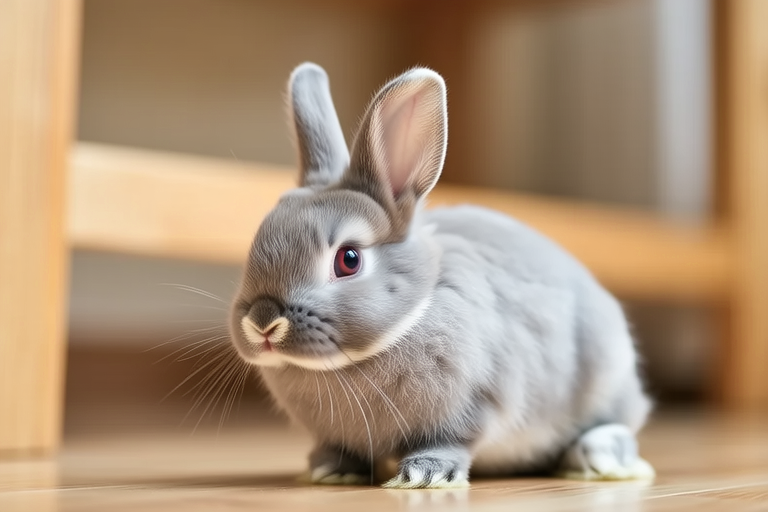
Mini Marvels: Caring for Your Tiny Dutch Dwarf Rabbit Family Member
Welcome to the world of Dutch Dwarf Rabbits! These charming creatures are among the smallest breeds of domestic rabbits, known for their compact size, expressive faces, and delightful personalities. Their unique charm has made them popular pets, bringing joy and companionship to many homes. In this guide, we’ll explore how to care for your tiny Dutch Dwarf Rabbit family member, covering everything from their ideal living environment to dietary needs and health considerations.
The Unique Charm of Dutch Dwarf Rabbits
Dutch Dwarf Rabbits are small, sturdy rabbits that typically weigh between 2 and 3 pounds when fully grown. They have a short, thick coat that comes in a variety of colors, including black, white, chocolate, and blue. Their signature feature is the distinctive white blaze on their face, which contrasts beautifully with their colored body. This breed is known for its playful and curious nature, making them perfect companions for families and individuals alike.
Ideal Living Environment
Dutch Dwarf Rabbits thrive in environments that provide them with space to move around, play, and rest comfortably. A spacious cage or enclosure is essential to ensure they have enough room to stretch out and exercise. The cage should be at least three times the length of the rabbit when stretched out. It’s also important to choose a cage with solid flooring to prevent injury from wire bottoms. Line the cage with soft bedding such as hay or paper-based products to make it cozy and comfortable.
Place the cage in a quiet area of your home away from direct sunlight, drafts, and extreme temperatures. Dutch Dwarfs are sensitive to heat, so ensure their living space is well-ventilated and cool during warmer months. Providing toys and tunnels can help stimulate their natural instincts and keep them entertained. Additionally, spend time outside the cage each day, allowing your rabbit to explore safe areas of your home under supervision.
Dietary Needs
A balanced diet is crucial for the health and longevity of your Dutch Dwarf Rabbit. The foundation of their diet should consist of unlimited access to fresh timothy hay or grass hay, which aids digestion and provides necessary fiber. Supplement their diet with a high-quality pellet feed formulated for rabbits, offering approximately one ounce per pound of body weight daily. Avoid overfeeding pellets, as excessive intake can lead to obesity and other health issues.
Fresh vegetables should make up about 10% of their diet. Introduce new vegetables gradually to avoid digestive upset. Safe options include leafy greens like romaine lettuce, kale, and spinach. Offer small amounts of fruits as occasional treats due to their high sugar content. Always provide fresh water in a clean bowl or water bottle, ensuring constant access.
Grooming Tips
Dutch Dwarf Rabbits have short, dense coats that require regular grooming to prevent matting and hairballs. Brush your rabbit gently with a slicker brush or soft bristle brush once or twice a week to remove loose hair and distribute natural oils. During shedding seasons, increase brushing frequency to every other day. Pay special attention to areas prone to matting, such as behind the ears and under the tail.
Bathing is generally unnecessary unless your rabbit gets particularly dirty. If you must bathe your rabbit, use a gentle, rabbit-safe shampoo and ensure thorough rinsing to prevent skin irritation. Dry your rabbit completely after bathing to avoid chills. Trim nails regularly using nail clippers designed for small animals. Consult a veterinarian if unsure about proper trimming techniques.
Health Considerations
Dutch Dwarf Rabbits are generally healthy, but like all animals, they are susceptible to certain health issues. Regular veterinary check-ups are essential for early detection and treatment of potential problems. Common health concerns include dental disease, gastrointestinal stasis, and respiratory infections. Monitor your rabbit’s eating habits, droppings, and behavior for signs of illness. Signs to watch for include loss of appetite, lethargy, runny nose, or diarrhea.
To promote good health, maintain a clean living environment by regularly cleaning the cage and changing bedding. Provide opportunities for exercise and mental stimulation to prevent obesity and behavioral issues. Spaying or neutering your rabbit can reduce the risk of reproductive cancers and unwanted behaviors like spraying.
Tips for Bonding and Playing
Building a strong bond with your Dutch Dwarf Rabbit requires patience and consistency. Spend time interacting with your rabbit daily, offering gentle handling and positive reinforcement through treats and praise. Gradually introduce new activities and toys to stimulate their curiosity and encourage exploration.
Interactive toys such as tunnels, chew toys, and puzzle feeders can help keep your rabbit mentally and physically engaged. Supervised playtime outside the cage allows them to explore and socialize in a safe environment. Always supervise interactions with children and other pets to ensure everyone’s safety.
Where to Adopt
Consider adopting a Dutch Dwarf Rabbit from a reputable breeder or rescue organization. Many shelters and rescues have Dutch Dwarfs available for adoption, providing these wonderful rabbits with loving homes. Research local breeders to find one with a good reputation and ethical practices. When adopting, ask questions about the rabbit’s history, health, and temperament to ensure a good match.
Resources for Further Learning
Stay informed about Dutch Dwarf Rabbit care by consulting books, online forums, and attending workshops. Recommended reading includes ‘House Rabbit Society Handbook’ and ‘The Bunny Book.’ Online communities such as Reddit’s r/rabbits offer valuable insights and support from experienced rabbit owners. Local rabbit clubs and organizations often host events and provide educational resources.
In conclusion, caring for a Dutch Dwarf Rabbit is a rewarding experience that brings joy and companionship into your life. By providing a suitable living environment, proper nutrition, regular grooming, and attentive care, you can ensure your rabbit leads a happy and healthy life. With dedication and love, you’ll form a strong bond with your tiny Dutch Dwarf Rabbit family member, creating cherished memories together.