 By admin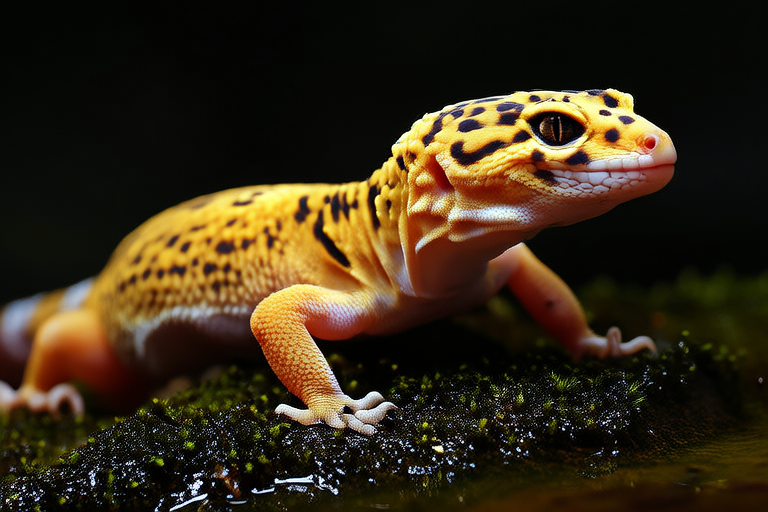
Leopard Gecko Secrets: Tips from Expert Owners
Welcome to the world of leopard geckos! These charming little creatures have become increasingly popular among reptile enthusiasts due to their docile nature, ease of care, and fascinating behavior. Whether you’re a first-time owner or an experienced keeper, there’s always more to learn about these captivating pets. In this comprehensive guide, we’ll delve into essential care tips, debunk common myths, explore dietary needs, discuss habitat setup, provide health indicators, offer insights into breeding, and suggest interactive activities that will enrich your gecko’s life and yours. Let’s dive right in!
Essential Care Tips
Caring for a leopard gecko requires attention to detail and consistency. Here are some key points to keep in mind:
- Temperature Control: Leopard geckos thrive in temperatures between 78°F and 88°F during the day, with a basking spot reaching up to 90°F. At night, they prefer cooler temperatures around 65°F to 75°F.
- Humidity Levels: Maintain humidity at 30% to 40%. Excess moisture can lead to respiratory issues and skin problems.
- Handling: Always handle your gecko gently, supporting its body fully. Avoid handling immediately after feeding as they may regurgitate their meal.
Common Myths Debunked
There are several misconceptions surrounding leopard geckos. Let’s clear up some of them:
- Myth: Leopard Geckos Require UVB Lighting. Truth: Unlike many other reptiles, leopard geckos do not need UVB light. They obtain vitamin D3 through their diet.
- Myth: Leopard Geckos Need Water Bowls. Truth: While it’s important to keep their environment dry, geckos drink water droplets from misted surfaces or soaked food items.
- Myth: Leopard Geckos Hibernate. Truth: In captivity, hibernation isn’t necessary. Provide consistent warmth year-round.
Dietary Needs
A well-balanced diet is crucial for maintaining your gecko’s health. Here’s what you need to know:
- Insects: Crickets, dubia roaches, and waxworms are ideal. Ensure insects are gut-loaded (fed nutritious foods) before offering them to your gecko.
- Vitamin Supplements: Dust insects with calcium powder twice weekly and multivitamins once weekly.
- Water Intake: Mist their enclosure daily to provide drinking water droplets.
Habitat Setup
The right habitat setup ensures your gecko thrives. Consider the following:
- Tank Size: A 20-gallon tank is suitable for one adult gecko; larger tanks accommodate multiple geckos.
- Substrate: Use paper towels or reptile carpet for easy cleaning. Avoid loose substrates like sand which can cause impaction.
- Hiding Spots: Provide plenty of hiding spots made from cork bark, half logs, or plastic plants.
Health Indicators
Monitoring your gecko’s health closely helps catch potential issues early. Look out for:
- Appetite Changes: Loss of appetite could indicate illness.
- Behavioral Changes: Lethargy or unusual aggression might signal distress.
- Physical Signs: Check for signs of mites, parasites, or injuries regularly.
Breeding Insights
If you’re interested in breeding leopard geckos, here’s what you need to know:
- Sexing: Males have wider heads and hemipenal bulges while females have slimmer bodies without bulges.
- Conditioning: Increase day length gradually to stimulate breeding. Offer extra calcium-rich foods.
- Egg Laying: Females lay eggs two months post-mating. Provide a nesting box filled with moist vermiculite or coconut fiber.
Interactive Activities
Engaging with your gecko can be fun and rewarding. Try these activities:
- Foraging: Hide treats within the enclosure to encourage natural hunting behaviors.
- Exploration: Supervise playtime outside the tank in a secure area free from hazards.
- Training: Train your gecko to come when called using treats and positive reinforcement.
Expert Advice
We reached out to experienced owners who shared their invaluable insights:
“Always prioritize cleanliness. Regularly clean the substrate and replace any soiled areas promptly.” – Sarah, 5-year owner
“Invest in quality heating equipment. Proper thermoregulation is vital for their overall health.” – Mike, 8-year owner
“Be patient during the initial adjustment period. Give them time to acclimate to their new home.” – Lisa, 3-year owner
Leopard geckos make wonderful companions when cared for properly. By following these guidelines and staying informed, you’ll provide your pet with a happy, healthy life. Enjoy the journey of becoming a responsible and loving gecko owner!