 By admin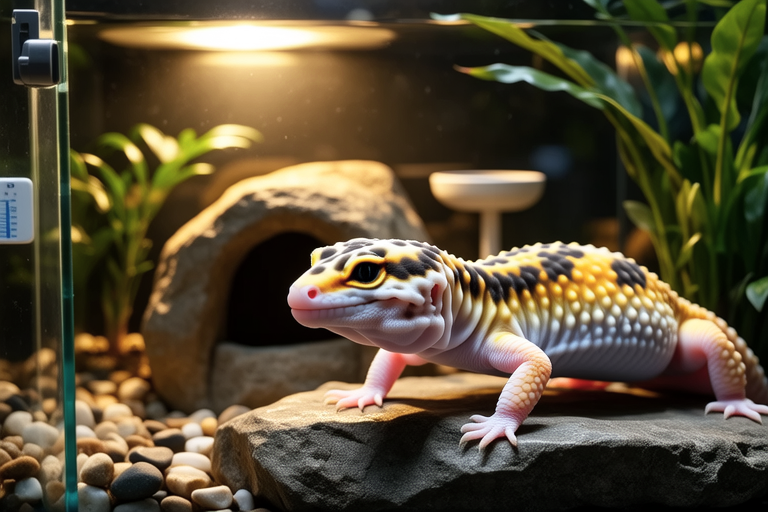
How to Create the Perfect Habitat for Your Leopard Gecko at Home
Welcome to the world of leopard geckos! These fascinating reptiles are popular pets due to their relatively simple care requirements and docile nature. Creating a perfect habitat for your leopard gecko is crucial for their health and well-being. This guide will walk you through setting up an ideal living space, ensuring optimal temperature, humidity, substrate, hiding spots, feeding areas, lighting, and regular maintenance tips.
Habitat Setup
The first step in creating the perfect habitat for your leopard gecko is choosing the right enclosure. A glass tank or a plastic terrarium with secure ventilation is recommended. For one adult gecko, a 10-gallon tank is sufficient; however, a 20-gallon tank provides more room for movement and growth. Ensure that the enclosure has a secure lid to prevent escapes and includes adequate ventilation.
Temperature and Humidity Requirements
Maintaining the correct temperature gradient within the habitat is vital for your gecko’s health. Leopard geckos are ectothermic, meaning they rely on external sources to regulate their body temperature. The warm side of the enclosure should be around 88-90°F (31-32°C), while the cool side should be about 75-80°F (24-27°C). Use a digital thermometer with multiple sensors to monitor temperatures accurately.
Humidity levels should be kept low, between 30% and 40%. High humidity can lead to respiratory issues and skin infections. To achieve this, avoid misting the enclosure and ensure proper ventilation. Leopard geckos require a dry environment to bask and shed their skin properly.
Substrate Options
Selecting the right substrate is crucial for your gecko’s health. There are several options available:
- Ceramic tiles or paper towels: These are safe and easy to clean, making them ideal for hatchlings or sick geckos.
- Reptile carpet: This is washable and reusable but may not look natural. It’s also less likely to cause impaction if ingested.
- Calcium sand: While some prefer calcium sand for its appearance, it can cause impaction if ingested. It’s best to avoid this option.
- Coconut fiber: This substrate is absorbent and holds moisture well, which can lead to high humidity levels. It’s safer than calcium sand but still requires careful monitoring.
Regardless of the substrate chosen, always provide a shallow water dish for drinking and soaking. Regularly clean the substrate to prevent mold and bacteria growth.
Hiding Spots and Decorations
Leopard geckos are nocturnal creatures that require hiding spots for security and stress relief. Place at least two hide boxes—one on the warm side and one on the cool side—of the enclosure. These hides should be snug and dark, providing a sense of security. Cork bark, half logs, and commercial reptile caves are excellent choices.
In addition to hiding spots, adding branches, rocks, and other decorations can enrich the environment. However, ensure that all items are securely placed to prevent tipping and injury. Naturalistic decor like cork rounds or driftwood can enhance the aesthetic appeal of the enclosure while offering climbing opportunities.
Feeding Areas
Designating a specific area for feeding helps reduce competition and ensures that each gecko receives an appropriate amount of food. Place the food dish in a quiet corner of the enclosure away from the basking spot. Use a shallow dish that is easy for the gecko to access. Feed your gecko live insects, such as crickets, mealworms, or dubia roaches, dusted with a calcium supplement twice weekly. Provide a variety of prey items to meet their nutritional needs.
Lighting Needs
Leopard geckos are nocturnal animals and do not require UVB lighting. However, a low-wattage red or blue heat lamp can be used to provide a gentle glow during the day. This helps maintain a consistent day-night cycle and allows you to observe your gecko without disturbing its sleep patterns. Always check the wattage of the bulb to ensure it doesn’t overheat the enclosure.
Regular Maintenance Tips
To keep your gecko healthy and happy, regular maintenance is essential:
- Water dish cleaning: Clean and refill the water dish daily to ensure fresh, clean water.
- Spot cleaning: Remove waste and uneaten food immediately to maintain hygiene.
- Deep cleaning: Perform a thorough cleaning of the enclosure every two weeks. Remove all substrate, decorations, and accessories. Wash everything with a reptile-safe disinfectant and rinse thoroughly before replacing.
- Monitoring health: Keep an eye on your gecko’s behavior, appetite, and overall condition. If you notice any changes, consult a veterinarian specializing in exotic pets.
- Handling: Handle your gecko gently and infrequently. Leopard geckos are generally calm but may become stressed with too much handling.
By following these guidelines, you’ll create a comfortable and stimulating environment for your leopard gecko. Remember that each gecko is unique, so pay attention to individual preferences and adjust the habitat accordingly. With proper care, your leopard gecko will thrive in its new home.
Creating the perfect habitat for your leopard gecko involves thoughtful planning and regular maintenance. By focusing on temperature control, substrate selection, hiding spots, feeding areas, and lighting, you can ensure your pet’s health and happiness. Enjoy the rewarding experience of caring for these fascinating creatures!