 By admin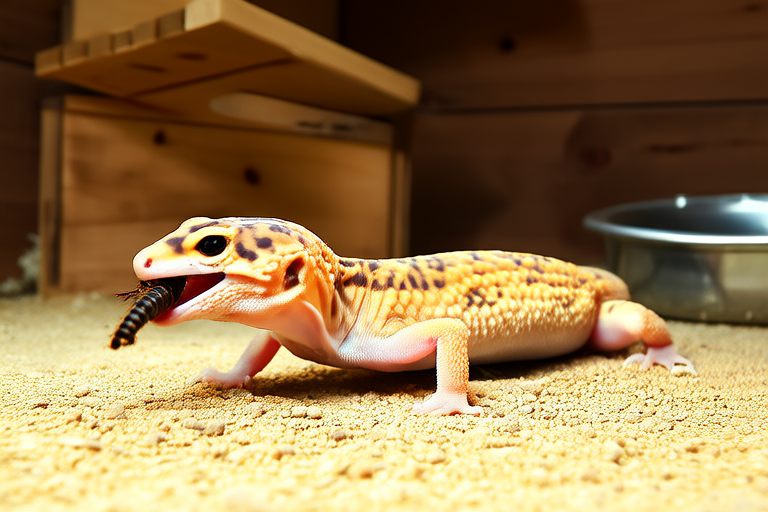
Leopard Gecko Diet Decoded: What, When, and How Much to Feed
Welcome to the world of leopard geckos, one of the most popular reptile pets among enthusiasts. Known for their docile nature, vibrant colors, and relatively low maintenance requirements, these small lizards have captured the hearts of many. However, like any other pet, they require proper care and attention, especially concerning their diet. A well-balanced diet is crucial for their health and longevity. This article aims to decode the leopard gecko’s dietary needs, providing you with valuable information on what, when, and how much to feed your gecko.
The Importance of a Balanced Diet
A balanced diet ensures that your leopard gecko receives all the necessary nutrients for optimal health. Malnutrition can lead to various health issues, including metabolic bone disease, digestive problems, and weakened immune systems. On the other hand, overfeeding can result in obesity and related complications. Therefore, understanding the right type, quantity, and timing of food is essential for your gecko’s wellbeing.
What to Feed Leopard Geckos
Insects as the Main Staple
Leopard geckos primarily consume insects. Crickets, dubia roaches, mealworms, and waxworms are common choices. Among these, crickets are often recommended due to their nutritional value and ease of availability. It’s important to choose appropriately sized insects; they should be no larger than the space between the gecko’s eyes to prevent choking hazards.
Supplementing Insects
Before feeding insects to your gecko, it’s crucial to gut-load them. Gut-loading involves feeding the insects a nutritious diet rich in vitamins and minerals. You can purchase commercial gut-loading formulas or create a mix of fruits, vegetables, and grains. Additionally, dusting the insects with calcium and vitamin D3 powders ensures that your gecko gets enough calcium and vitamin D for strong bones and overall health.
Variety in Diet
While crickets are a staple, varying the diet with different insect types provides a broader range of nutrients. Dubia roaches, for instance, are high in protein and lower in fat compared to mealworms. Waxworms, though high in fat, can be used sparingly as treats. Introducing variety helps maintain a balanced diet and prevents boredom.
When to Feed Leopard Geckos
Feeding Frequency Based on Age
Newborn and juvenile geckos need more frequent feeding compared to adults. Juveniles should be fed daily, while adults can be fed every two to three days. This schedule allows them to grow at a healthy rate and maintain their energy levels.
Activity Levels and Feeding Times
Leopard geckos are nocturnal, meaning they are most active during the night. Therefore, it’s best to feed them in the evening or early morning hours. Observing their activity levels can help determine if they are ready for feeding. If your gecko shows interest in food and is actively moving around, it’s a good time to offer a meal. Conversely, if they seem lethargic, it might be wise to wait until they are more active.
How Much Food is Suitable?
Proper portion control is key to preventing both underfeeding and overfeeding. As a general guideline, offer an amount of food that your gecko can consume within a short period, typically 15 to 30 minutes. Excess food left uneaten can attract pests or spoil, creating an unsanitary environment.
For young geckos, smaller quantities but more frequent meals are ideal. They require consistent nutrition to support their rapid growth. Adults, on the other hand, need fewer but more substantial meals. Adjust the quantity based on the gecko’s size and appetite. Over time, you’ll develop a sense of how much your gecko can comfortably consume.
Tips for Maintaining a Healthy Feeding Routine
Establishing a consistent feeding routine is beneficial for both you and your gecko. Setting regular feeding times helps your gecko anticipate mealtimes and ensures they receive adequate nutrition. Additionally, keeping track of the types and quantities of food provided can help monitor their dietary intake.
Observing Your Gecko’s Behavior
Regularly check your gecko’s behavior and physical condition. A healthy gecko should have clear, bright eyes, smooth skin, and a robust body. Signs of malnutrition include lethargy, loss of appetite, dull coloration, and difficulty moving. Obesity, characterized by excessive weight gain and reduced mobility, can also occur if overfed. Recognizing these signs early allows for prompt intervention and adjustment of their diet.
Conclusion
Understanding the dietary needs of leopard geckos is vital for their health and longevity. By providing a balanced diet consisting of appropriate insects, supplemented with necessary vitamins and minerals, and feeding them at the right times and quantities, you can ensure your gecko thrives. Establishing a consistent feeding routine and monitoring their behavior will help maintain their optimal health. With the right knowledge and care, your leopard gecko will live a long, happy life.