 By admin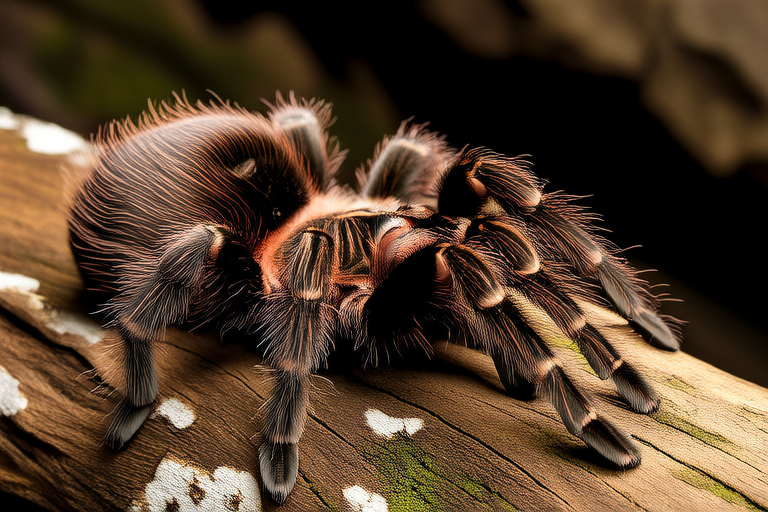
From Fear to Fascination: How I Became Obsessed with My Tarantula
There was a time when the mere mention of a tarantula would send shivers down my spine. The idea of those large, hairy spiders filled me with dread. Misconceptions abounded in my mind; they were aggressive, venomous, and dangerous. However, my journey from fear to fascination began with a simple encounter that changed everything.
The Initial Encounter
It all started at a local pet store. I had gone there to buy some supplies for my fish tank but ended up spending hours browsing the exotic pets section. Among the various animals displayed was a tarantula. Its legs stretched out like delicate yet menacing arms, and its body was covered in a dense coat of hair. I was immediately struck by how beautiful it looked despite my fear. The shopkeeper noticed my hesitation and offered to tell me more about the spider. He explained that tarantulas are not as dangerous as many people believe. They are generally shy and will only bite if they feel threatened. He also mentioned that their venom is mild and not harmful to humans. This conversation sparked my curiosity, but it wasn’t enough to overcome my fear just yet.
Researching the Truth About Tarantulas
Determined to learn more, I began researching tarantulas online. I discovered that there are over 900 species of tarantulas worldwide, each with unique characteristics. Many species have vibrant colors and patterns, making them look more like works of art than frightening creatures. For example, the pinktoe tarantula has striking pink hairs on its toes, while the Chilean rose tarantula sports a soft, velvety appearance. Learning about these fascinating details helped me see tarantulas in a new light.
One of the most interesting things I learned during my research was how tarantulas interact with their environment. These spiders are solitary creatures that spend most of their time in burrows or hiding spots. They rely on their keen sense of touch and vibration to detect prey or potential threats. Tarantulas are also skilled hunters, using their powerful fangs to inject venom into insects, small mammals, or even birds. Once paralyzed, the prey is wrapped in silk and consumed slowly. This hunting behavior may sound gruesome, but it’s an essential part of their survival strategy.
Another aspect that intrigued me was the tarantula’s ability to regenerate lost limbs. If a tarantula loses a leg, it can regrow it during its next molt. This process, known as autotomy, allows the spider to escape predators or heal from injuries. Watching videos of tarantulas molting and regrowing their legs was both fascinating and reassuring. It showed me that these creatures are resilient and adaptable, which helped me develop a deeper appreciation for them.
Meeting My First Tarantula
After months of research, I decided to take the plunge and purchase my first tarantula. I chose a Chilean rose tarantula because of its docile nature and manageable size. When I brought her home, I was nervous but excited. At first, I kept a safe distance, observing her from across the room. Over time, however, I grew bolder and began interacting with her more directly.
One of the most memorable moments occurred when I was feeding her crickets. I placed the insects near her burrow, and she emerged cautiously. Her movements were slow and deliberate, as if she were carefully assessing the situation. As she approached the crickets, I could see her eyes reflecting the light, giving her a mysterious, almost otherworldly appearance. Watching her hunt and consume her meal was mesmerizing. It was then that I realized how much I had underestimated this creature. She was not the mindless predator I had once imagined but a complex being with her own instincts and behaviors.
Learning to Care for My Tarantula
Caring for my tarantula became a rewarding experience that taught me patience and responsibility. One of the most important aspects of tarantula care is maintaining the right habitat. Tarantulas require a temperature range between 75 and 85 degrees Fahrenheit and humidity levels between 60% and 80%. To achieve this, I used a heat mat and a water dish inside her enclosure. Regular misting helped keep the humidity at the appropriate level.
Feeding my tarantula also required careful consideration. Crickets were her favorite food, but I also provided her with occasional treats like mealworms or dubia roaches. Ensuring that the prey items were appropriately sized was crucial to avoid overfeeding or underfeeding. I followed a general guideline of offering one cricket every week, adjusting based on her activity level and overall health.
Molting was another exciting but nerve-wracking aspect of tarantula care. During this process, the tarantula sheds its exoskeleton, revealing a new, softer layer underneath. In preparation for molting, the tarantula stops eating and becomes less active. I would monitor her closely during this time, ensuring that the enclosure remained clean and humid. After several days, she would begin the molting process, flipping onto her back and shedding her old skin. Watching her emerge from this transformation was both awe-inspiring and humbling. It reminded me of the incredible resilience and adaptability of these creatures.
Key Moments of Realization
As I spent more time with my tarantula, I experienced several key moments of realization that transformed my perspective. One such moment came when I observed her interaction with her environment. Tarantulas are highly sensitive to vibrations, using them to detect prey and potential threats. I once accidentally dropped a book near her enclosure, and within seconds, she had repositioned herself to face the source of the disturbance. Her quick reaction demonstrated her intelligence and awareness, dispelling any notion that she was a passive, unthinking creature.
Another significant realization occurred when I learned about the tarantula’s role in ecosystems. These spiders play a vital role in controlling insect populations, helping to maintain balance in their habitats. By preying on pests like mosquitoes and flies, tarantulas contribute to the health of their environments. Understanding this ecological importance made me appreciate my tarantula even more. She was not just a fascinating pet but also a valuable member of her ecosystem.
Overcoming Fear and Developing Fascination
My journey from fear to fascination has been both challenging and rewarding. What started as a simple curiosity has evolved into a deep fascination with these remarkable creatures. Through research, interaction, and hands-on care, I have come to understand the complexity and beauty of tarantulas. Their unique behaviors, physical adaptations, and ecological roles have captivated me, and I find myself constantly learning more about them.
One of the most rewarding aspects of this journey has been the personal growth it has fostered. Overcoming my initial fear of tarantulas required courage and open-mindedness. It taught me to approach unfamiliar situations with curiosity rather than fear. This mindset shift has positively impacted other areas of my life, encouraging me to explore new experiences and challenge limiting beliefs.
In conclusion, my relationship with my tarantula has been a transformative experience that has enriched my life in countless ways. From the initial encounter that sparked my curiosity to the ongoing fascination that continues to grow, this journey has been both enlightening and inspiring. I encourage others to embrace their fears and explore the wonders of the natural world, as doing so can lead to unexpected discoveries and profound personal growth.