 By admin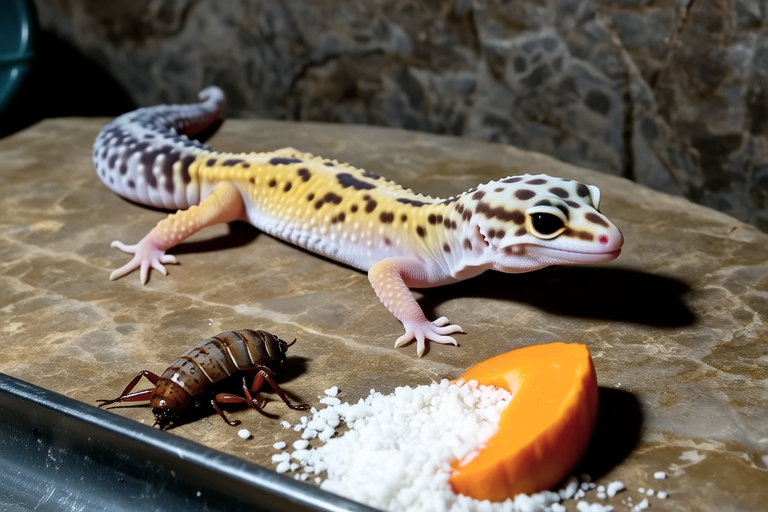
Leopard Gecko Diet Decoded: What, When, and How Much to Feed Your Reptilian Companion
Welcome to the fascinating world of leopard geckos! These charming reptiles are popular pets due to their relatively easy care and delightful personalities. One of the most important aspects of keeping a leopard gecko healthy is understanding its dietary requirements. In this article, we’ll decode the leopard gecko’s diet, covering what they need nutritionally, appropriate food sources, feeding schedules, and how to avoid common pitfalls.
Nutritional Needs of Leopard Geckos
Leopard geckos require a well-balanced diet rich in essential nutrients to thrive. The primary components include calcium, vitamins, and proteins. Calcium is crucial for bone health, while vitamins support overall bodily functions. Proteins are vital for growth and repair. Ensuring these elements are present in the right proportions helps maintain your gecko’s health and longevity.
Essential Nutrients
Calcium
Calcium is indispensable for leopard geckos. It ensures strong bones and aids in muscle function. Without adequate calcium, geckos can suffer from metabolic bone disease, leading to brittle bones and deformities. Providing calcium-rich foods and supplements is key to preventing this condition.
Vitamins
Vitamins, especially vitamin D3, play a critical role in calcium absorption. Vitamin A is also essential for skin health. Feeding a variety of insect species helps ensure that your gecko receives a broad spectrum of vitamins.
Proteins
Proteins are the building blocks of cells and are particularly important during growth phases. Juvenile geckos need more protein than adults. However, overfeeding can lead to obesity and other health issues, so moderation is key.
Appropriate Food Sources
The primary diet for leopard geckos consists of insects such as crickets and mealworms. These insects are readily available and provide a good source of protein and other nutrients when properly prepared.
Insects
Crickets: Crickets are a staple in a leopard gecko’s diet. They are high in protein and can be gut-loaded with nutritious vegetables before being fed to your gecko. Gut-loading involves feeding insects a nutrient-rich diet to pass on those nutrients to your gecko.
Mealworms: Mealworms are another excellent option but should be offered less frequently due to their higher fat content. They can be dusted with calcium powder to enhance their nutritional value.
Supplementation
To ensure your gecko gets all necessary nutrients, it’s advisable to dust insects with calcium and multivitamin powders. This process, known as ‘dusting,’ involves lightly coating the insects with the supplement before feeding them to your gecko.
Portion Sizes and Feeding Frequency
The amount and frequency of food depend on the gecko’s age and activity level. Below are general guidelines for different life stages:
Juvenile Leopard Geckos
Juveniles grow rapidly and need frequent meals. Feed them daily, offering 2-3 appropriately sized insects. Ensure the insects are no larger than the space between the gecko’s eyes.
Adult Leopard Geckos
Adults are less active and require fewer meals. Offer 2-4 insects every other day or 3-5 insects three times a week. Adjust based on your gecko’s appetite and weight.
Common Feeding Mistakes and Their Impacts
Misunderstandings about leopard gecko diets can lead to serious health issues. Here are some common mistakes and their consequences:
Overfeeding
Feeding too much can cause obesity, which increases the risk of heart disease and reduces lifespan. Always monitor your gecko’s weight and adjust feed amounts accordingly.
Underfeeding
Insufficient food can lead to malnutrition, weakened immune systems, and stunted growth in juveniles. Regularly check your gecko’s body condition and adjust portions if needed.
Incorrect Supplementation
Too much or too little supplementation can lead to imbalances. Over-supplementation with calcium can cause kidney stones, while insufficient supplementation leads to deficiencies.
Tips for Maintaining a Balanced Diet
Maintaining a balanced diet requires attention to detail. Here are some tips to help you keep your leopard gecko healthy:
Variety
Offer a varied diet to prevent boredom and ensure a broad range of nutrients. Include different types of insects and occasional treats like waxworms.
Hydration
Although leopard geckos get most of their hydration from their food, providing a shallow water dish is recommended. Ensure the water is clean and changed regularly.
Monitoring
Regularly observe your gecko’s behavior and physical condition. Any changes in appetite, activity level, or appearance could indicate dietary or health issues.
Conclusion
Understanding the dietary needs of your leopard gecko is fundamental to their well-being. By providing a balanced diet rich in essential nutrients, you can ensure your gecko remains healthy and active. Remember to offer a variety of insects, properly supplement their food, and adjust portion sizes according to their life stage. With careful attention and care, your leopard gecko will lead a long, happy life.