 By admin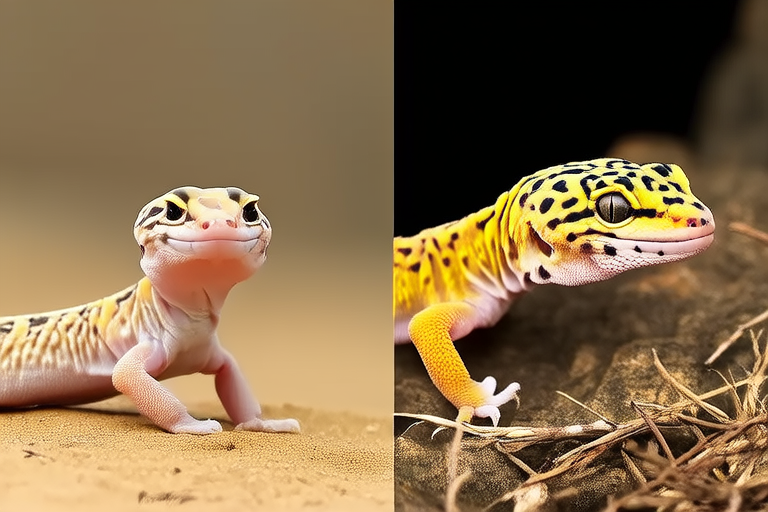
From Hatchling to Adult: Tracking the Growth Journey of Your Leopard Gecko
Welcome to the fascinating world of leopard geckos! These charming reptiles are popular pets due to their manageable size, docile nature, and relatively easy care requirements. Understanding the growth journey from hatchling to adult is crucial for providing optimal care and ensuring your gecko thrives. This article will guide you through the various stages of growth, dietary needs, habitat adjustments, common health issues, and tips to support healthy development.
The Early Stages: From Hatching to Juvenile
A leopard gecko’s life begins as a tiny, fragile creature, usually around 3 inches in length. At this stage, they are highly dependent on their environment and require specific care to thrive. The first few weeks are critical for establishing feeding habits and ensuring proper hydration.
Dietary Needs: Hatchlings need small insects such as pinhead crickets or fruit flies. Offer these daily, but be cautious not to overfeed, as this can lead to obesity. Dust the insects with calcium powder to ensure adequate nutrition.
Habitat Adjustments: Provide a secure enclosure with a warm side (88-90°F) and a cooler side (75-80°F). Use a substrate that is safe for young geckos, like paper towels or reptile carpet. Avoid loose substrates like sand or bark chips, which can cause impaction if ingested.
Behavioral Changes: At this age, leopard geckos are very active and curious. They spend most of their time exploring their surroundings and hunting for food. They may also display some defensive behaviors, such as tail-waving, when feeling threatened.
Growth Spurt: Transitioning to Subadult
As your gecko grows, it will experience a significant growth spurt. By the time it reaches juvenile status, typically between 6 to 12 months old, it will have doubled in size and will show more distinct characteristics.
Size Changes: At this stage, your gecko should measure approximately 4-6 inches in length. The tail will become thicker and more robust, and the body will fill out, developing a more mature appearance.
Dietary Needs: Increase the size of the insects to match your gecko’s growing appetite. Introduce mealworms and dubia roaches alongside crickets. Continue to dust the insects with calcium and multivitamin supplements to promote healthy bone and skin development.
Habitat Adjustments: As your gecko grows, consider upgrading its enclosure to accommodate its increased activity level. Ensure there are hiding spots and climbing structures to stimulate exploration and exercise. Maintain the temperature gradient and provide a shallow water dish for soaking.
Behavioral Changes: Subadults become more confident and less skittish. They may start to recognize their owner and show signs of excitement, such as wagging their tails, when approached. They also become more territorial, so handle them gently to avoid stress.
Becoming an Adult: Stability and Maturity
By the time your leopard gecko reaches adulthood, usually around 12-18 months old, it will have reached its full size and will exhibit stable behavior patterns. An adult leopard gecko typically measures between 8 to 10 inches in length, with males being slightly larger than females.
Dietary Needs: Feed adult geckos every other day, offering a variety of insects including crickets, mealworms, and dubia roaches. Ensure the insects are appropriately sized, no larger than the space between the gecko’s eyes. Continue to supplement with calcium and vitamins.
Habitat Adjustments: Adults require a spacious enclosure, ideally 20 gallons or larger, to allow for ample movement and exploration. Provide a deep substrate, such as coconut fiber or reptile bark, for burrowing. Ensure the enclosure has multiple hiding spots and climbing areas to enrich their environment.
Behavioral Changes: Adult geckos tend to be more relaxed and less active compared to juveniles. They spend more time basking and resting, and their interaction with their environment becomes more routine. They may also show interest in potential mates during breeding season.
Common Health Issues and Preventative Care
While leopard geckos are generally hardy, they can face certain health challenges. Regular monitoring and preventative care can help maintain their well-being.
Mouth Rot: Caused by bacteria, this condition manifests as redness or swelling around the mouth. Treat with antibiotic ointment and improve hygiene practices in the enclosure.
Impaction: Ingestion of substrate can lead to blockages in the digestive tract. Prevent this by using appropriate substrates and offering food in a shallow dish.
Mites: Small parasites that can infest your gecko. Treat with commercial mite sprays and clean the enclosure thoroughly.
Regular vet check-ups, proper hygiene, and a balanced diet are essential for preventing these issues.
Tips for Owners to Support Healthy Development
Caring for a leopard gecko at each stage of its life requires attention to detail and adaptability. Here are some practical tips to ensure your gecko grows healthily:
- Monitor Growth: Keep track of your gecko’s weight and length to ensure it is growing properly. Consult a vet if you notice any unusual changes.
- Provide Enrichment: Offer new toys and hiding spots periodically to keep your gecko mentally stimulated and physically active.
- Handle Gently: While handling your gecko, always support its body and avoid grabbing it by the tail. If the tail breaks off, it will regrow, but this can be stressful for the gecko.
- Keep the Environment Clean: Regularly clean the enclosure to prevent the buildup of harmful bacteria and fungi.
- Stay Informed: Continue learning about leopard gecko care through books, reputable websites, and forums. Join local reptile groups to share experiences and gain valuable advice.
Conclusion
From the delicate hatchling to the mature adult, tracking the growth journey of your leopard gecko is both rewarding and educational. By understanding the dietary needs, habitat adjustments, and behavioral changes at each stage, you can provide the best possible care for your pet. Remember, a happy and healthy leopard gecko is one that is well-fed, well-housed, and well-loved. Enjoy the adventure of watching your gecko grow and thrive!