 By admin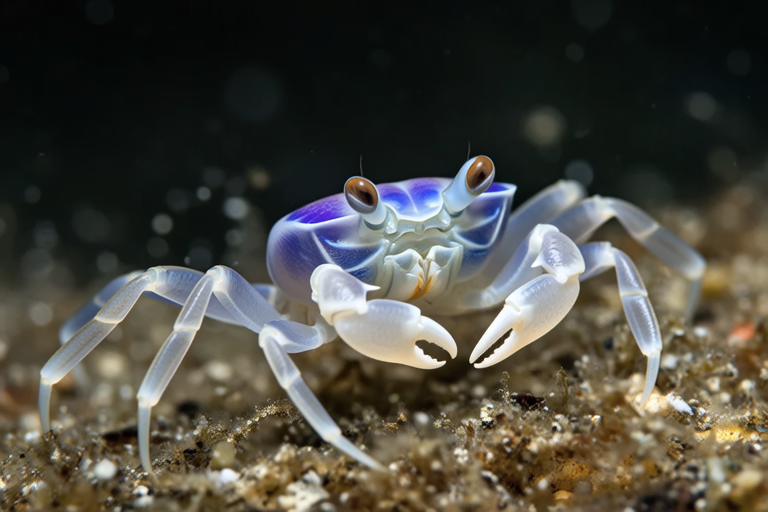
Microscopic Marvels: Discovering the World’s Smallest True Crabs
True crabs, belonging to the infraorder Brachyura, are a diverse group of crustaceans that inhabit various aquatic environments around the globe. From the giant Japanese spider crab, which can span up to 4 meters across its legs, to the diminutive species we will explore here, true crabs exhibit an extraordinary range in size. This article delves into the world of the smallest true crabs, uncovering their fascinating characteristics, habitats, diets, and unique adaptations.
The Diversity of True Crabs
True crabs are characterized by their short, broad bodies and a single pair of claws, which distinguishes them from other crustacean groups like hermit crabs and horseshoe crabs. They are found in both saltwater and freshwater environments, from deep ocean trenches to shallow coastal waters, mangroves, and even some terrestrial habitats. The diversity in size among true crabs is remarkable, with the largest species being significantly larger than the smallest.
The Tiniest True Crabs
Among the smallest true crabs, one species stands out as particularly minuscule: Epilocalana similis, commonly known as the peacock mantis shrimp. Despite its misleading name, this creature is neither a shrimp nor a mantis but a true crab. It typically grows no more than 3 millimeters in length, making it one of the tiniest crustaceans in existence. Another contender for the title of smallest true crab is Xenograpsus testudinatus, also known as the pea crab. This species measures approximately 5 millimeters long and is often found living inside bivalves like mussels and oysters.
Physical Characteristics
Epilocalana similis has a flattened body covered in fine hairs that help it blend into its surroundings. Its eyes are large relative to its body size, providing excellent vision despite its diminutive stature. The peacock mantis shrimp possesses two pairs of swimming legs, allowing it to move swiftly through the water. In contrast, Xenograpsus testudinatus has a more rounded body shape and lacks the swimming appendages of its smaller cousin. Instead, it relies on its host for mobility.
Habitats and Diets
Epilocalana similis thrives in the intertidal zones of tropical and subtropical regions, where it can be found among seagrasses and algae. These areas provide ample hiding spots and food sources for the tiny crab. Its diet consists mainly of plankton and detritus, which it filters from the water using specialized mouthparts. On the other hand, Xenograpsus testudinatus lives exclusively within the shells of bivalves, feeding on their soft tissues and mucus. This parasitic lifestyle allows the pea crab to survive in otherwise inhospitable conditions.
Unique Survival Mechanisms
The smallest true crabs have developed several adaptations to cope with their challenging environments. For instance, Epilocalana similis uses its hair-like structures to trap food particles, ensuring it can gather enough nutrients even in low-nutrient environments. Additionally, its large eyes enable it to detect predators and prey alike, increasing its chances of survival. Meanwhile, Xenograpsus testudinatus benefits from its symbiotic relationship with bivalves, gaining protection from predators while providing its host with cleaning services.
Scientific Insights
Researchers have long been fascinated by the adaptations of these tiny crabs. Recent studies have revealed that Epilocalana similis employs a unique mechanism for respiration, utilizing specialized gill structures to extract oxygen from the surrounding water. This adaptation allows the crab to thrive in environments where dissolved oxygen levels may be low. Similarly, Xenograpsus testudinatus has evolved to produce enzymes that break down the tough tissues of its bivalve hosts, enabling it to digest its meals efficiently.
Challenges in Studying Microscopic Crabs
Studying such small organisms presents numerous challenges for researchers. One major obstacle is simply locating these tiny creatures in the wild. Their small size makes them difficult to spot, even for trained scientists. Once collected, microscopic crabs require specialized equipment for observation and analysis. Researchers must use high-powered microscopes and delicate tools to handle and examine these delicate specimens without causing damage.
Recent Discoveries and Breakthroughs
In recent years, advances in technology have greatly enhanced our understanding of these miniature marvels. High-resolution imaging techniques, such as scanning electron microscopy, have allowed scientists to study the intricate details of the smallest true crabs’ anatomy. Additionally, genetic sequencing has provided valuable insights into the evolutionary relationships between different species of tiny crabs, helping to clarify their place within the broader family tree of crustaceans.
The Importance of Conservation
Despite their small size, the smallest true crabs play vital roles in their ecosystems. As filter feeders, they contribute to nutrient cycling and help maintain the health of their habitats. Moreover, their presence serves as an indicator of ecosystem health; declines in populations of these tiny crabs could signal broader environmental issues. Therefore, it is crucial to conserve these miniature marvels and their ecosystems. Protecting their habitats from pollution, overfishing, and climate change is essential for ensuring the continued existence of these fascinating creatures.
Conclusion
The world’s smallest true crabs are truly remarkable organisms, showcasing the incredible diversity and adaptability of life on Earth. Through their unique physical characteristics, habitats, diets, and survival mechanisms, these tiny creatures demonstrate the resilience and ingenuity of nature. While studying these microscopic marvels presents significant challenges, ongoing research continues to uncover new insights about these fascinating creatures. Ultimately, the conservation of these miniature marvels and their ecosystems is vital for preserving the biodiversity of our planet.