 By admin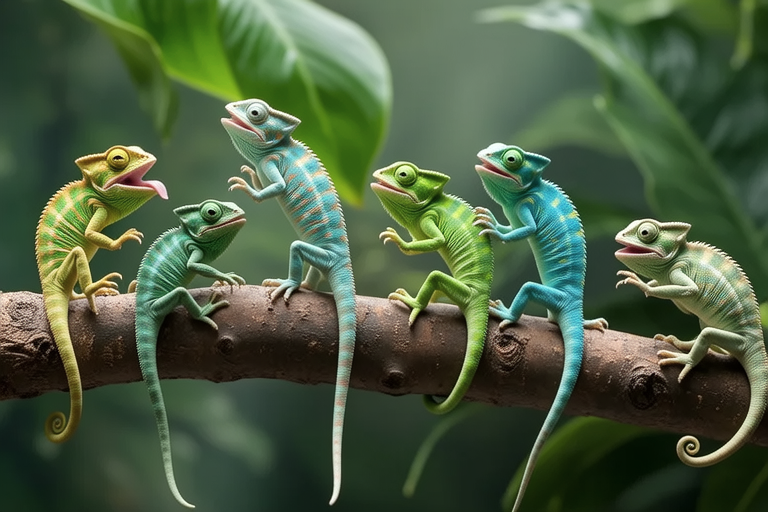
Top 7 Signs Your Chameleon is Happy and Healthy
Welcome to the fascinating world of chameleons! These captivating creatures, known for their vibrant color changes and unique physical traits, have long intrigued reptile enthusiasts. Native to diverse regions across Africa and Madagascar, chameleons come in various species, each with its own set of requirements for optimal care. Understanding these needs is crucial for ensuring your chameleon’s happiness and health.
Chameleons are arboreal lizards, meaning they spend most of their time in trees. Their feet are specially adapted to gripping branches securely, and their eyes can move independently, allowing them to spot prey or potential threats without moving their head. One of the most recognizable features of chameleons is their ability to change color. This adaptation serves multiple purposes, including communication, temperature regulation, and camouflage. However, contrary to popular belief, chameleons don’t change color to match their surroundings but rather to express their mood, regulate body temperature, or attract mates.
Maintaining a chameleon’s health requires careful attention to their environment, diet, and overall well-being. With the right care, you can ensure that your chameleon thrives in captivity. Below are seven key signs that indicate your chameleon is happy and healthy. By recognizing these indicators, you’ll be better equipped to provide the best possible care for your scaly friend.
Sign 1: Bright Colors and Regular Color Changes
One of the most striking features of chameleons is their ability to change colors. A healthy chameleon will frequently display bright and vivid hues, especially when basking or interacting with other chameleons. The color changes can range from vibrant greens and blues to shades of red and orange, depending on the species. In particular, males tend to show more intense color displays during courtship or territorial disputes.
The frequency and intensity of color changes can also indicate your chameleon’s mood. For instance, if your chameleon appears dull or lacks variation in its coloring, it may be stressed, sick, or uncomfortable in its environment. On the other hand, regular and vibrant color changes suggest that your chameleon is comfortable and content.
To maintain these conditions, ensure that your chameleon has access to natural light or full-spectrum UVB lighting. Natural sunlight is ideal, but if this isn’t feasible, high-quality UVB bulbs designed for reptiles can help stimulate color changes and promote overall health. Additionally, providing a variety of climbing structures and hiding spots can reduce stress and encourage natural behaviors.
Sign 2: Active Movement and Climbing
A healthy chameleon is an active chameleon. You’ll often see them climbing up and down branches, exploring their enclosure, and even changing positions frequently. Their agility and curiosity reflect their natural behavior in the wild, where they’re constantly on the move, searching for food and navigating their environment.
If your chameleon seems lethargic, spends most of its time at the bottom of the cage, or shows reluctance to climb, it might be a sign of illness or discomfort. Factors such as improper heating, inadequate lighting, or insufficient humidity can contribute to reduced activity levels. It’s important to address any environmental issues promptly to restore your chameleon’s energy and enthusiasm.
To encourage active movement, create an enriching habitat with plenty of branches, vines, and foliage. Providing a varied landscape allows your chameleon to exercise its climbing skills and explore different areas of the enclosure. Ensure that all climbing structures are securely fastened and safe for your chameleon to use. Additionally, maintain the appropriate temperature gradient, which encourages thermoregulation and promotes healthy activity.
Sign 3: Healthy Eating Habits
Observing your chameleon’s eating habits is another essential indicator of its well-being. A healthy chameleon will display a consistent appetite, consuming a balanced diet of insects. Insects like crickets, dubia roaches, and waxworms should be offered regularly, with occasional treats such as mealworms or silkworms. It’s important to gut-load feeder insects with nutritious foods before offering them to your chameleon to ensure they provide adequate nutrients.
Chameleons are generally not picky eaters, but sudden changes in appetite can signal health issues. If your chameleon stops eating altogether or shows a significant decrease in interest in food, it could be a sign of stress, illness, or environmental problems. Addressing these issues promptly is crucial to prevent malnutrition and related health complications.
To maintain healthy eating habits, offer a wide variety of appropriately sized insects and ensure that they are dusted with calcium and vitamin D3 supplements. Feeding times should be consistent, and it’s beneficial to place food in various locations within the enclosure to mimic natural hunting behaviors. Additionally, monitor the temperature and humidity levels to ensure they are conducive to feeding.
Sign 4: Clear Eyes and Proper Shedding
Your chameleon’s eyes are another important area to observe for signs of health. Clear, bright eyes indicate that your chameleon is in good condition. Cloudiness, swelling, or discharge around the eyes can be signs of infection or dehydration. Similarly, improper shedding can lead to retained skin patches, which can cause discomfort and potentially lead to infections if not addressed.
Healthy chameleons shed their skin periodically, typically in small pieces. Retained patches of old skin can hinder movement, vision, and even eating. To assist with shedding, maintain proper humidity levels in the enclosure and provide a humid hide or misting system. If your chameleon struggles with shedding, consult a veterinarian who specializes in reptiles for advice on how to safely remove the retained skin.
Regularly checking your chameleon’s eyes and skin condition can help you catch any potential issues early. Clean the enclosure regularly to prevent bacterial growth, and avoid handling your chameleon excessively to minimize stress, which can affect shedding and eye health.
Sign 5: Normal Pooping and Urinating
Monitoring your chameleon’s waste output is crucial for assessing its digestive health. A healthy chameleon will produce regular, firm feces and urates (the white, pasty substance surrounding the feces). Irregular bowel movements, diarrhea, or constipation can indicate underlying health issues such as dehydration, dietary imbalances, or gastrointestinal problems.
Changes in the consistency, color, or frequency of waste can also signal health concerns. For example, dark, sticky feces may indicate liver issues, while overly watery or loose stools could suggest a parasitic infection. Regularly cleaning the substrate and monitoring waste patterns can help you identify any abnormalities early.
To support digestive health, provide a varied diet rich in calcium and vitamins, and ensure that your chameleon has access to clean water. Mist the enclosure daily to increase humidity, which aids in digestion and hydration. Additionally, offering fresh vegetables and fruits occasionally can provide additional nutrients and moisture.
Sign 6: Proper Weight and Body Condition
Evaluating your chameleon’s weight and body condition is another important aspect of its health. A healthy chameleon will have a robust yet lean body, with visible ribs and a slight curve to the tail. Excessive weight gain or loss can indicate health issues, so it’s essential to monitor your chameleon’s weight regularly.
Overweight chameleons may struggle to move and climb, leading to reduced activity and potential health problems. Conversely, underweight chameleons may appear weak, lethargic, and susceptible to infections. Maintaining a balanced diet and appropriate environmental conditions can help prevent weight-related issues.
To manage your chameleon’s weight effectively, weigh it monthly and compare the results with previous measurements. Adjust the diet and environmental factors as needed to maintain a stable and healthy weight. Consulting with a reptile veterinarian can provide guidance on appropriate weight ranges for your specific chameleon species.
Sign 7: Vocalizations and Social Behavior
While chameleons are generally solitary animals, they can exhibit vocalizations and social behaviors that indicate their emotional state. Some chameleons make clicking or hissing sounds, especially when feeling threatened or excited. These vocalizations can vary in frequency and volume, depending on the chameleon’s mood and surroundings.
Additionally, chameleons may display social behaviors such as bobbing their heads or puffing out their throats, particularly during interactions with other chameleons. These behaviors are often associated with mating or territorial displays. Observing these interactions can give you insight into your chameleon’s comfort level and overall well-being.
To encourage positive social behaviors, provide a spacious and stimulating environment that mimics their natural habitat. Avoid overcrowding the enclosure and ensure that there is sufficient space for each chameleon to establish its territory. If housing multiple chameleons, separate them during feeding and handling to prevent competition and stress.
The Importance of Vet Check-Ups and Behavioral Observation
Regular veterinary check-ups are essential for maintaining your chameleon’s health. Even if your chameleon appears healthy, a professional examination can uncover hidden issues and provide valuable insights into its overall well-being. Reptile veterinarians are trained to recognize subtle signs of illness and can recommend appropriate treatments and preventive measures.
In addition to routine check-ups, closely observe your chameleon’s behavior daily. Early detection of health issues can significantly improve treatment outcomes and prevent more severe complications. Pay attention to any unusual symptoms or changes in behavior, and consult a veterinarian immediately if you suspect anything amiss.
By understanding and addressing your chameleon’s unique needs, you can ensure that it leads a happy and healthy life. Regular care, a suitable environment, and attentive observation are the keys to providing the best possible home for your scaly companion.