 By admin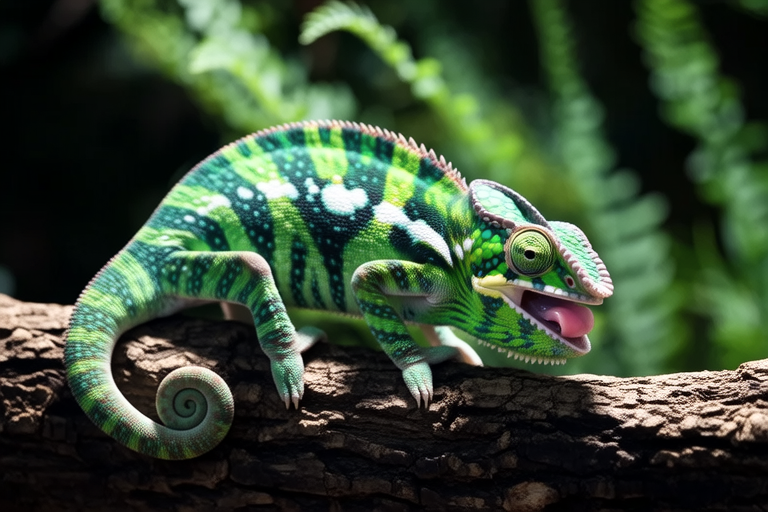
From Color Changes to Diet: Everything You Didn’t Know About Chameleons
Chameleons, with their distinctive appearance and remarkable abilities, hold a unique place in the animal kingdom. These lizards are renowned for their ability to change colors, but their story extends far beyond this singular feature. Found predominantly in Africa and Madagascar, chameleons have evolved over millions of years to develop a range of fascinating adaptations that allow them to thrive in their diverse habitats.
The Unique World of Chameleons
Chameleons are a family of reptiles known for their long tongues, independently rotating eyes, and prehensile tails. Their most famous attribute, however, is their ability to change color. This skill has captivated humans for centuries, leading to numerous myths and misconceptions about these creatures. While the idea of chameleons changing color to match their surroundings is popular, it’s only part of the story. In reality, chameleons use their color-changing abilities for a variety of purposes, including communication, temperature regulation, and camouflage.
Reasons Behind Color Changes
One of the primary reasons chameleons change color is for communication. They use these shifts to signal their mood, health, or intentions to other chameleons. For instance, a male chameleon may display vibrant colors during mating rituals or when asserting dominance over rivals. Females also use color changes to communicate their receptiveness to mating or to ward off unwanted advances.
Temperature regulation is another crucial aspect of chameleon coloration. Chameleons are ectothermic, meaning they rely on external sources to regulate their body temperature. By changing their color, they can absorb more heat from the sun or reflect it away, depending on their needs. For example, darker colors absorb more sunlight, helping chameleons warm up, while lighter colors reflect heat, preventing overheating.
Camouflage is perhaps the most widely recognized reason for chameleons’ color changes. While it’s not always true that they change to blend into their environment perfectly, they can alter their appearance to better match their surroundings, making them less visible to predators and prey alike.
Dietary Needs of Chameleons
Chameleons are insectivores, primarily feeding on insects in the wild. Their diet consists of a wide array of bugs, including crickets, grasshoppers, and various beetles. In captivity, their diet should closely mimic their natural food sources to ensure they receive all necessary nutrients. Owners must provide a balanced diet that includes a variety of insects and occasionally supplementation with vitamins and minerals.
In the wild, chameleons have access to a diverse range of foods, which naturally provides them with a balanced intake of nutrients. Captivity, however, requires careful planning to replicate this diversity. A common mistake among chameleon owners is to feed only one type of insect, which can lead to nutritional deficiencies. It’s essential to offer a mix of insects, each contributing different nutrients to the chameleon’s diet.
The importance of a balanced diet cannot be overstated. Proper nutrition supports overall health, growth, and longevity. A well-fed chameleon is more likely to exhibit healthy behaviors and maintain its vibrant colors. Conversely, malnutrition can lead to weakened immune systems, slow growth, and even death.
Interesting Facts About Chameleon Anatomy
Chameleons possess several remarkable physical adaptations that set them apart from other lizards. Their eyes, for example, are one of their most distinctive features. Unlike many animals, chameleons can rotate their eyes independently, allowing them to look in two different directions simultaneously. This adaptation gives them a nearly 360-degree field of vision, enhancing their ability to locate prey and avoid predators.
Another fascinating adaptation is their feet. Chameleons have zygodactyl feet, meaning their toes are arranged in two opposing groups. This arrangement allows them to grip branches securely, providing excellent climbing abilities. Additionally, their feet are equipped with specialized scales that help them maintain their grip on smooth surfaces.
Their tails are also highly adapted. Prehensile tails enable chameleons to grasp branches, providing stability and aiding in movement through dense foliage. In some species, the tail can also serve as a defensive mechanism, curling around the body to protect vital organs.
Tips for Pet Chameleon Owners
If you’re considering keeping a chameleon as a pet, it’s important to understand the responsibilities involved. Chameleons require a specific habitat setup that mimics their natural environment. This includes appropriate lighting, temperature, humidity levels, and a suitable enclosure. Providing the right environment ensures your chameleon thrives and remains healthy.
Lighting is crucial for chameleons, as they need UVB light to synthesize vitamin D3, which aids in calcium absorption. Without adequate UVB exposure, chameleons can suffer from metabolic bone disease. Therefore, investing in high-quality UVB bulbs and ensuring proper exposure times is essential.
Temperature control is another key aspect of chameleon care. Chameleons require a temperature gradient within their enclosure to thermoregulate. This typically involves setting up a basking spot at one end of the enclosure and cooler areas at the other. Maintaining these conditions is vital for your chameleon’s health and well-being.
Humidity levels should also be carefully managed. Chameleons require moist environments, but too much moisture can lead to respiratory infections. Monitoring humidity levels and ensuring good ventilation are critical steps in maintaining a healthy living space for your chameleon.
Feeding a varied diet rich in nutrients is essential for your chameleon’s health. Regularly offering different types of insects and supplementing their diet with vitamins and minerals will help ensure they receive all necessary nutrients. Additionally, monitoring your chameleon’s behavior and appearance can help identify any potential health issues early.
Lastly, remember that chameleons are solitary animals and prefer to live alone. Housing multiple chameleons together can lead to stress, aggression, and competition for resources. Providing each chameleon with its own enclosure is the best practice for their welfare.
In conclusion, chameleons are fascinating creatures with a wealth of unique adaptations and behaviors. Understanding their color-changing abilities, dietary needs, and physical characteristics can deepen our appreciation for these amazing animals. Whether you’re a seasoned reptile keeper or simply curious about these captivating creatures, there’s always more to learn about chameleons. If you decide to bring a chameleon into your home, be prepared for the responsibility and dedication required to provide the best care possible. With the right knowledge and commitment, owning a chameleon can be a rewarding and enriching experience.