 By admin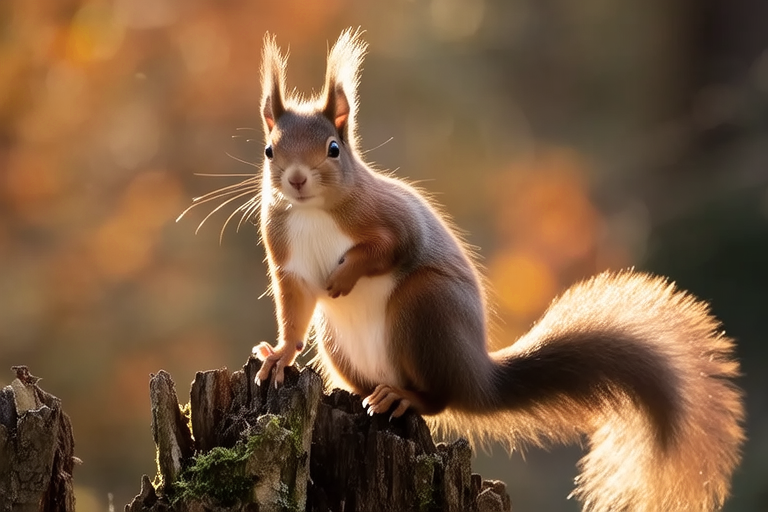
How Squirrels Became the Internet’s Favorite Rodent: A Viral History
In recent years, squirrels have become one of the internet’s most beloved creatures. Their sudden rise to fame has been marked by countless viral videos, memes, and even merchandise. But how did these small, agile rodents go from being part of everyday life to becoming the internet’s favorite animal? This article explores the historical context of squirrels in human culture, their early internet appearances, key moments that propelled them into viral fame, and the characteristics that make them so appealing online. It also examines the role of social media platforms in their popularity and concludes with reflections on the broader implications of this phenomenon for wildlife awareness and conservation efforts.
The Historical Context of Squirrels in Human Culture
Squirrels have long been part of human culture, often symbolizing traits like resilience and adaptability. In ancient Greek mythology, they were associated with Hermes, the god of commerce, thieves, and travelers, perhaps due to their resourceful nature. Historically, squirrels have also played significant roles in ecosystems, helping to plant trees by burying nuts, which they sometimes forget, allowing new plants to grow.
In the United States, squirrels were introduced into urban parks during the 19th century as a form of wildlife conservation. Cities like New York and Washington D.C. intentionally populated their green spaces with these creatures, aiming to enhance the aesthetic appeal of public areas while promoting ecological balance. However, the relationship between humans and squirrels has always been complex; while some view them as pests due to their habit of raiding bird feeders and gardens, others find them charming and amusing.
Early Internet Appearances
The internet began to embrace squirrels in the mid-1990s, coinciding with the rise of webcams and online communities. One of the earliest instances of squirrel-related internet content was a webcam installed at the University of California, Davis, in 1996. The camera captured the daily lives of squirrels living on campus, providing viewers with a window into their world. This was a precursor to the viral content that would follow, offering an intimate look at the creatures’ behavior without disturbing them.
As internet culture evolved, so did the way people interacted with squirrels online. The advent of digital cameras and mobile phones allowed individuals to capture and share their encounters with these animals more easily. Early internet forums and message boards dedicated to wildlife sightings saw an increase in posts featuring squirrels, showcasing their antics and unique personalities.
Viral Moments and Videos
Several pivotal moments and videos have significantly contributed to squirrels’ rise to internet fame. One notable example is the “Squirrel Girl” meme, which emerged after a photo of a squirrel sitting atop a woman’s head went viral. The image was shared widely across social media platforms, spawning countless variations and jokes about the squirrel’s apparent determination to remain perched on her head.
Another significant moment came with the release of a video titled “Squirrel Chasing Dog,” which showed a squirrel relentlessly pursuing a dog in a suburban backyard. The clip, uploaded to YouTube in 2013, quickly amassed millions of views and sparked discussions about the surprising bravery of squirrels when faced with larger predators. This video highlighted the agility and persistence of squirrels, traits that have resonated with audiences worldwide.
More recently, the TikTok platform has seen a surge in squirrel-related content. Short-form videos featuring squirrels performing various stunts or interacting with humans have garnered millions of likes and shares. These clips often showcase the creatures’ playful nature and ability to engage with their environment in unexpected ways, further cementing their status as internet darlings.
Characteristics That Make Squirrels Appealing Online
Several characteristics of squirrels contribute to their appeal online, making them ideal subjects for viral content. Their agility and speed are particularly captivating, as they effortlessly navigate trees and rooftops, often appearing to perform acrobatic feats. This physical prowess is especially impressive given their relatively small size compared to other mammals.
Cuteness is another factor that plays a significant role in their popularity. With their large eyes, fluffy tails, and playful demeanor, squirrels embody many of the traits associated with “cute” animals. Social media users are drawn to content that evokes positive emotions, and squirrels provide ample opportunities for laughter, joy, and heartwarming moments.
Moreover, squirrels’ interactions with humans offer unique opportunities for connection. Whether it’s a squirrel stealing food from a picnic basket or a person feeding a squirrel in their backyard, these encounters highlight the close relationship between humans and wildlife. Such moments foster a sense of community among viewers who can relate to or aspire to similar experiences.
The Role of Social Media Platforms
Social media platforms have been instrumental in amplifying squirrels’ popularity. Facebook, Twitter, Instagram, and TikTok all provide spaces where users can share and discover squirrel-related content. These platforms enable rapid dissemination of information, allowing videos and images to reach millions of people within hours.
The interactive nature of social media encourages engagement through comments, likes, shares, and retweets. Users can participate in conversations about their favorite squirrel videos, creating a sense of belonging within online communities centered around these animals. Furthermore, algorithms used by social media platforms often prioritize content that generates high levels of engagement, ensuring that popular squirrel-related posts receive maximum exposure.
In addition to individual users sharing content, organizations focused on wildlife conservation and education have leveraged social media to promote awareness about squirrels. By highlighting the importance of preserving habitats and protecting species, these groups contribute to a broader conversation about environmental stewardship while maintaining a light-hearted tone that resonates with audiences.
Broader Implications for Wildlife Awareness and Conservation Efforts
The widespread interest in squirrels generated by the internet presents both challenges and opportunities for wildlife awareness and conservation efforts. On one hand, increased visibility can lead to greater appreciation for these animals and their role in ecosystems. When people develop emotional connections with wildlife, they may be more inclined to support conservation initiatives aimed at protecting habitats and addressing threats such as deforestation, climate change, and urbanization.
However, there is also potential for negative consequences if enthusiasm for squirrels leads to behaviors that harm them or their environments. For instance, feeding wild squirrels improperly or attempting to domesticate them can disrupt natural behaviors and create dependencies that ultimately do more harm than good. Therefore, it is crucial for educators and advocates to provide guidance on responsible interaction with wildlife while celebrating the joy that comes from observing them.
In conclusion, squirrels have earned their place as the internet’s favorite rodent through a combination of historical significance, appealing characteristics, and strategic use of social media platforms. As we continue to engage with these fascinating creatures online, let us strive to deepen our understanding of their importance in nature and work towards ensuring their well-being for future generations.