 By admin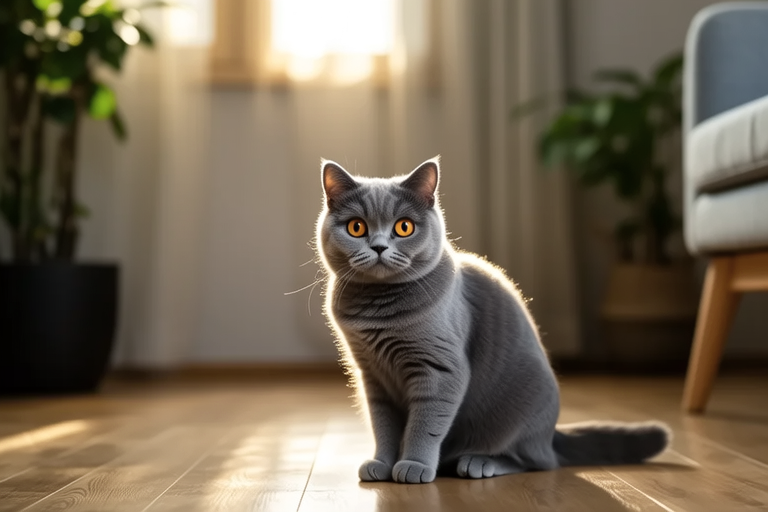
The Golden Glow of British Shorthairs: A Journey Through Their Unique Traits and Care Tips
Welcome to the world of British Shorthairs, where each golden coat tells a story of elegance, resilience, and charm. This breed, known for its plush, short fur that can range from a warm gold to a rich cream, has captured the hearts of cat enthusiasts worldwide. With a history steeped in tradition and a temperament that’s as welcoming as it is independent, British Shorthairs are more than just pets; they’re companions with a unique set of traits that make them stand out among other feline breeds.
A Glimpse into History
The British Shorthair has been a cherished part of British culture for centuries. Originating from domestic cats brought to Britain by the Romans, this breed was refined over time to become the sturdy, robust cat we know today. Their thick coats were initially developed to protect them against harsh British winters, making them perfectly suited to the climate. Despite their strong presence, British Shorthairs have maintained a gentle demeanor, which has endeared them to many.
The Golden Coat and Appearance
One of the most striking features of the British Shorthair is its golden coat. The coat is dense and plush, giving the cat a well-rounded, muscular appearance. The eyes are large and expressive, often complementing the coat’s color with a deep, warm hue. The head is round, with prominent cheeks, and the ears are small and wide-set, adding to the breed’s distinctive look. Their overall appearance is one of grace and strength, making them a favorite subject for artists and photographers alike.
Temperament: Gentle Giants of the Feline World
British Shorthairs are known for their calm and steady demeanor. They are not overly active, preferring to observe rather than participate in high-energy play. However, they are incredibly affectionate, often forming strong bonds with their human companions. These cats are particularly good with children and other pets, making them ideal for family homes. Their patience and tolerance make them excellent therapy animals, providing comfort and companionship to those in need.
Health Considerations
Like all breeds, British Shorthairs come with specific health considerations. Regular veterinary check-ups are essential to ensure their continued well-being. Common issues include obesity, due to their sedentary nature, and dental problems, which can be mitigated through regular brushing and a balanced diet. Genetic conditions such as hypertrophic cardiomyopathy (HCM) are also prevalent, so genetic testing is recommended for breeding purposes.
Dietary Needs
Maintaining a healthy diet is crucial for the longevity and happiness of your British Shorthair. High-quality cat food, rich in protein and low in carbohydrates, is recommended. Avoid foods that are harmful to cats, such as chocolate, onions, and garlic. Fresh water should always be available, and treats should be given sparingly to prevent obesity. Consultation with a veterinarian can help tailor a diet plan that meets your cat’s specific needs.
Grooming Routines
Despite their short fur, British Shorthairs require regular grooming to keep their coats healthy and free of mats. Brushing once or twice a week helps remove loose hair and distribute natural oils throughout the coat. Bathing should be done only when necessary, as frequent bathing can strip the coat of its natural oils. Nail trimming and ear cleaning are also important parts of the grooming routine, helping to prevent infections and discomfort.
Selecting the Right Accessories
Choosing the right accessories for your British Shorthair can enhance their comfort and safety. Invest in a comfortable, spacious bed that allows them to curl up and relax. Interactive toys that stimulate their minds and bodies can help maintain their physical and mental health. Collars with identification tags are essential, ensuring your pet can be easily identified if they wander off. Litter boxes should be kept clean and placed in quiet areas to encourage proper bathroom habits.
Maintaining Their Environment
Creating a safe and stimulating environment is key to your British Shorthair’s happiness. Provide plenty of hiding spots, such as cardboard boxes or tunnels, to satisfy their need for privacy. Cat trees and climbing structures offer opportunities for exercise and exploration. Windowsills are perfect for watching the world go by, while scratching posts help maintain their claws. Regular cleaning of their living spaces ensures a hygienic environment, reducing the risk of illness.
Tips for Training
Training your British Shorthair can be a rewarding experience. Positive reinforcement techniques, such as treats and praise, are effective for teaching basic commands and tricks. Clicker training is another method that can be used to mark desired behaviors. Consistency is key in training, as cats thrive on routine. Teaching your cat to use a litter box properly, come when called, and stay off counters can help integrate them seamlessly into your household.
The Bond Between Cats and Owners
The bond between a British Shorthair and its owner is one of trust and companionship. These cats are loyal and affectionate, often seeking out their humans for attention and affection. The rewards of caring for a British Shorthair extend beyond companionship; they provide a sense of purpose and joy that enriches the lives of their owners. Their calm and steady presence can bring peace and comfort to any home, making them a cherished addition to any family.
In conclusion, the golden glow of British Shorthairs is more than just a coat color; it represents a legacy of beauty, strength, and companionship. By understanding their unique traits and providing the care they need, you can ensure a long and happy life for your British Shorthair. Whether you’re a seasoned cat owner or considering bringing a British Shorthair into your home for the first time, the journey promises to be filled with love, laughter, and countless moments of joy.