 By admin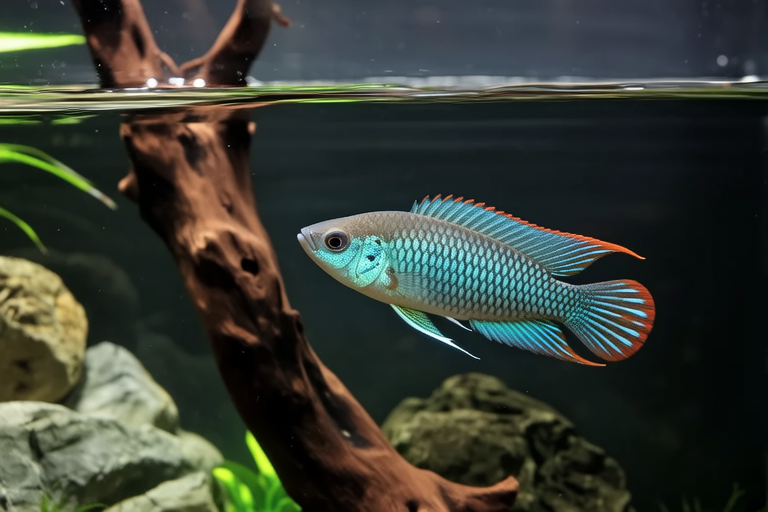
The Ultimate Guide to Raising the Majestic Rajah Cichlid at Home
The Rajah Cichlid, also known as Aequidens rivulatus, is a captivating species that has captured the hearts of many aquarists due to its striking appearance and fascinating behavior. This comprehensive guide will provide you with all the information you need to successfully raise these majestic fish in your home aquarium.
Introduction to the Rajah Cichlid
The Rajah Cichlid hails from the rivers and tributaries of Guyana, Venezuela, and Brazil. Known for their vibrant colors and robust build, these cichlids have become popular among enthusiasts who appreciate both their beauty and challenging care requirements. Their distinctive patterns, which include shades of blue, green, yellow, and black, make them stand out in any aquarium setting.
Understanding the Unique Behaviors of the Rajah Cichlid
Rajah Cichlids exhibit territorial behavior, particularly during mating and spawning periods. They are also known for their aggressive nature, especially towards other cichlids. To ensure harmony within your tank, it’s essential to provide ample hiding spots and territories for each fish.
Ideal Tank Setup
Creating an optimal habitat for your Rajah Cichlids involves several key factors:
- Tank Size: A minimum of 55 gallons (208 liters) is recommended for a single pair or small group of Rajah Cichlids. Larger tanks offer more space for swimming and reduce aggression.
- Substrate: Use fine gravel or sand to mimic their natural riverbed environment. Ensure the substrate is smooth to prevent injury.
- Decorations: Incorporate driftwood, rocks, and caves to provide hiding places and establish territories. Live plants like Amazon Swords or Java Fern can enhance the aesthetic appeal while offering additional shelter.
- Filtration: High-quality filters with strong flow rates are necessary to maintain water quality. Consider using external canister filters or sumps for better control over water parameters.
- Lighting: Provide moderate lighting levels to encourage plant growth and simulate natural daylight cycles. Avoid overly intense lights that may stress the fish.
Water Parameters
Maintaining appropriate water conditions is crucial for the health and well-being of your Rajah Cichlids:
- Temperature: Keep the water temperature between 75°F and 82°F (24°C to 28°C).
- pH Level: Aim for a slightly acidic to neutral pH range of 6.0 to 7.5.
- Hardness: Optimal hardness levels fall between 5 and 15 dGH.
- Ammonia and Nitrite: These should be undetectable. Regular testing and maintenance are vital to prevent toxic buildup.
- Nitrate: Maintain nitrate levels below 20 ppm through regular water changes.
Diet and Feeding Habits
Feeding your Rajah Cichlids a balanced diet is essential for their growth and vitality. Offer a variety of foods:
- Pellets: High-quality cichlid pellets provide a good base for nutrition.
- Frozen Foods: Bloodworms, brine shrimp, and mysis shrimp offer protein-rich treats.
- Live Foods: Daphnia, blackworms, and mosquito larvae can be used occasionally to stimulate appetite and mimic natural feeding behavior.
- Vegetables: Shredded spinach, zucchini, and peas can be included in their diet to promote digestive health.
Feed your Rajah Cichlids twice daily, ensuring they consume all food within a few minutes. Overfeeding can lead to water pollution and obesity.
Breeding Habits
Successfully breeding Rajah Cichlids requires careful planning and preparation:
- Pair Selection: Choose a compatible male and female. Males often display brighter colors during courtship.
- Spawning Site: Provide flat stones or slate plates for egg-laying. Ensure the site is free from debris.
- Conditioning: Prior to spawning, feed the pair a high-protein diet to encourage breeding readiness.
- Egg Care: After spawning, both parents take turns guarding the eggs. Monitor the process closely and remove any unfertilized eggs to prevent fungal growth.
- Fry Rearing: Once hatched, the fry remain under parental care for several weeks. Feed newly hatched brine shrimp or microworms to support their development.
Common Health Issues
Despite proper care, Rajah Cichlids may encounter health problems:
- Ich: Characterized by white spots on the body, ich can be treated with over-the-counter medications.
- Bloat: Caused by overeating or poor water quality, bloat may require dietary adjustments and improved filtration.
- Fungal Infections: Often seen as cotton-like patches on the skin, fungal infections necessitate antifungal treatments.
- Fin Rot: Bacterial infections leading to fin deterioration should be addressed with antibiotics.
Tips for Maintaining a Healthy Environment
To keep your Rajah Cichlids thriving, follow these best practices:
- Regular Water Changes: Perform weekly partial water changes (25%) to maintain water quality.
- Monitoring Equipment: Regularly check filter performance, heater settings, and pH levels.
- Behavioral Observation: Pay attention to changes in behavior or physical appearance that might indicate illness.
- Compatibility: Avoid housing Rajah Cichlids with overly aggressive or timid species to prevent stress-related issues.
Conclusion
Raising Rajah Cichlids demands dedication and attention to detail but rewards aquarists with stunning displays of color and behavior. By understanding their specific needs and providing an enriching environment, you can ensure the long-term health and happiness of these magnificent creatures.