 By admin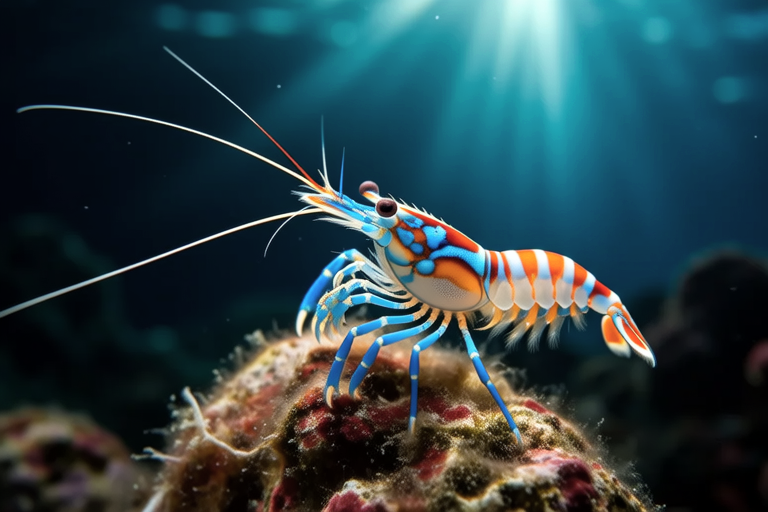
Discover the Vibrant World of Coral Shrimp: A Beginner’s Guide
Introduction
Welcome to the enchanting world of coral shrimp! These tiny, colorful creatures are not only visually stunning but also offer a unique and rewarding experience for aquarium hobbyists. Coral shrimp, with their diverse array of species and vibrant hues, have become increasingly popular among both novice and experienced aquarists. Their adaptability, coupled with their fascinating behaviors, makes them a delightful addition to any marine or reef aquarium.
In this guide, we will explore the captivating world of coral shrimp, from understanding their natural habitats to setting up an ideal tank environment. We’ll delve into their dietary needs, introduce you to some common species suitable for beginners, and provide valuable tips on maintaining water quality and selecting compatible tank mates. By the end of this article, you’ll be well-equipped to embark on your coral shrimp journey with confidence and excitement.
Natural Habitats
Coral shrimp are native to various tropical and subtropical regions around the world, primarily found in the Indian and Pacific Oceans. They thrive in coral reefs, rocky crevices, and sandy bottoms, where they play a crucial role in maintaining the health of these ecosystems. These environments provide ample hiding spots, food sources, and protection from predators.
Their natural habitats are characterized by clear, warm waters rich in nutrients. Coral reefs are teeming with life, offering a diverse menu of algae, detritus, and small organisms that form the staple diet of coral shrimp. Understanding these conditions helps aquarists recreate a similar environment in their tanks, ensuring the well-being of their shrimp.
Ideal Tank Conditions for Beginners
Setting up the perfect home for your coral shrimp requires attention to detail. For beginners, it’s essential to create a stable and healthy environment that mimics their natural habitat as closely as possible. Here are some key factors to consider:
- Tank Size: A minimum tank size of 20 gallons is recommended to provide adequate space for your shrimp and other inhabitants.
- Water Parameters: Maintain a temperature between 74°F and 82°F (23°C to 28°C), a pH level of 8.1 to 8.4, and salinity levels of 1.020 to 1.025 specific gravity.
- Filtration: Use a high-quality filter to ensure optimal water circulation and remove harmful toxins.
- Lighting: Install appropriate lighting to promote the growth of beneficial algae and corals.
- Hiding Places: Incorporate rocks, caves, and live rock to provide shelter and enhance the aesthetic appeal of your tank.
Creating a balanced and harmonious tank environment is crucial for the health and happiness of your coral shrimp. Regular monitoring of water parameters and adjustments as needed will help maintain stability.
Dietary Needs
Coral shrimp are omnivorous scavengers, feeding on a variety of organic matter within their natural habitat. In captivity, they can thrive on a diet of algae, detritus, and small organisms. To meet their nutritional requirements, consider the following:
- Algae Wafers: High-quality algae wafers designed for herbivorous marine animals are an excellent source of nutrition.
- Detritus: Small particles of uneaten food and decaying plant material provide essential nutrients.
- Variety: Introduce a mix of frozen foods like brine shrimp, mysis shrimp, and daphnia to diversify their diet.
- Supplements: Consider adding vitamin supplements to ensure a balanced intake of essential nutrients.
Feeding your coral shrimp twice daily is generally sufficient, but monitor their eating habits to avoid overfeeding. Excess food can lead to poor water quality, which may harm your shrimp and other tank inhabitants.
Common Species Suitable for New Aquarists
Several coral shrimp species are well-suited for beginners due to their hardiness and adaptability. Here are a few popular choices:
- Banggai Cardinal Shrimp (Paratya australiensis): Known for their striking red coloration, these shrimp are relatively easy to care for and make a beautiful addition to any tank.
- Peppermint Shrimp (Lysmata wurdemanni): Famous for their appetite for Aiptasia anemones, these shrimp are not only decorative but also functional in controlling pest populations.
- Candy Cane Shrimp (Hypselodoris infucata): With their distinctive white and black stripes, these shrimp add a pop of color to your aquarium.
Each species has its own unique characteristics, so research thoroughly before making a decision. Choose a species that aligns with your tank setup and maintenance capabilities.
Maintaining Water Quality
Consistent water quality is paramount for the health and longevity of your coral shrimp. Regular testing and maintenance routines are essential:
- Testing Kits: Invest in reliable test kits to monitor ammonia, nitrite, nitrate, and pH levels regularly.
- Water Changes: Perform partial water changes weekly, replacing approximately 10-15% of the tank volume.
- Filter Maintenance: Clean your filter media and replace carbon filters every two weeks.
- Skimmers: Utilize protein skimmers to remove dissolved organic compounds effectively.
By adhering to these practices, you’ll maintain a clean and healthy aquatic environment, ensuring your coral shrimp thrive.
Selecting Compatible Tank Mates
Choosing compatible tank mates is crucial for the well-being of your coral shrimp. Some suitable companions include:
- Small Peaceful Fish: Species like clownfish, gobies, and blennies coexist peacefully with coral shrimp.
- Invertebrates: Hermit crabs and snails are often compatible, provided they do not pose a threat to your shrimp.
- Avoid Aggressive Species: Steer clear of larger predatory fish, such as lionfish or triggerfish, which may prey on your shrimp.
Research the compatibility of each potential tank mate to ensure a harmonious community within your aquarium.
Behaviors and Care Challenges
Coral shrimp exhibit fascinating behaviors that make them a joy to observe. They are typically nocturnal, becoming most active during the night. During the day, they often remain hidden in crevices or under rocks. Watching them emerge at dusk and scavenge for food can be a mesmerizing experience.
However, caring for coral shrimp comes with its challenges. Maintaining consistent water quality, providing a balanced diet, and preventing stress are critical. Stress can manifest as erratic swimming, reduced activity, or even molting issues. To mitigate stress, ensure your tank is well-established, and avoid sudden changes in water parameters.
Regular observation and prompt action when issues arise will help you overcome these challenges and enjoy a thriving community of coral shrimp.