 By admin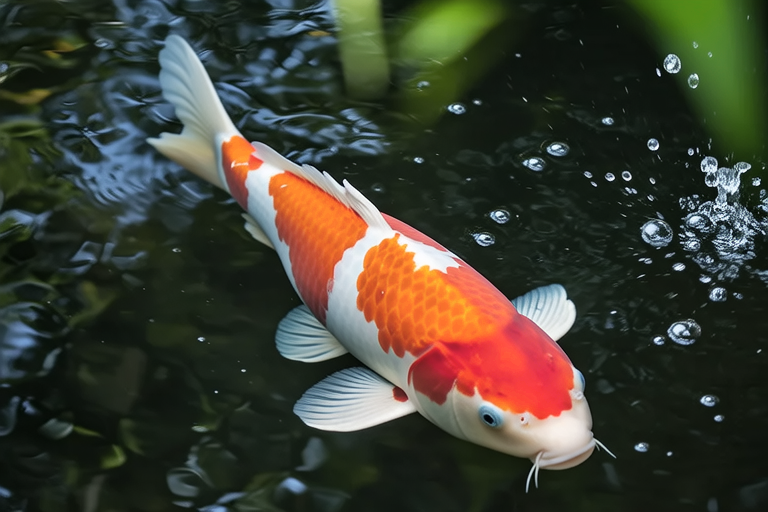
Top Secrets to Keeping Your Koi Healthy and Vibrant
Welcome to the fascinating world of koi keeping! Koi fish, with their stunning colors and graceful movements, have captivated hobbyists for centuries. Whether you’re a seasoned koi keeper or just starting out, maintaining the health and vibrancy of your koi requires dedication and knowledge. This guide will provide you with top secrets to ensure your koi thrive in their aquatic home.
Understanding Water Quality: The Lifeblood of Your Koi
Water quality is paramount for the health of your koi. Just like humans need clean air to breathe, koi require clean water to live. Here’s how to maintain it:
- Aerate Properly: Oxygen is vital for koi, especially during warmer months when oxygen levels can drop. Install an aerator or fountain to increase oxygenation.
- Regular Water Changes: Perform weekly water changes to remove toxins and replenish beneficial minerals. Aim for about 10% of the pond volume each week.
- Monitor pH Levels: Keep the pH between 7.2 and 8.0. Use test kits to monitor and adjust if necessary.
- Install a Good Filtration System: A robust filtration system removes debris and harmful bacteria, keeping the water clear and healthy.
Feeding Techniques: The Art of Feeding Your Koi
Proper feeding is crucial for koi health. Overfeeding can lead to poor water quality and obesity, while underfeeding can cause malnutrition.
- Quality Food: Invest in high-quality koi food that matches their nutritional needs. Look for foods rich in protein, vitamins, and minerals.
- Feed Appropriately: Feed small amounts several times a day rather than large meals once a day. Adjust portions based on water temperature; feed less as temperatures drop below 60°F (15°C).
- Vary Their Diet: Occasionally offer treats like shelled peas, algae wafers, and freeze-dried bloodworms to add variety.
- Watch for Waste: Avoid overfeeding by watching for uneaten food sinking to the bottom. Remove any leftovers promptly.
Creating a Suitable Pond Environment
Your koi’s pond should be a sanctuary that promotes relaxation and well-being. Consider these factors:
- Size Matters: Ensure the pond is large enough for your koi to swim freely. As a rule of thumb, allow at least 100 gallons of water per koi.
- Shade and Shelter: Provide areas of shade to protect koi from direct sunlight, which can stress them. Plants and floating structures can serve this purpose.
- Plant Life: Incorporate aquatic plants that enhance water quality and provide hiding spots. Examples include water lilies and lotus plants.
- Substrate and Decorations: Choose a substrate that won’t harm your koi, such as smooth pebbles. Add decorations like rocks and driftwood for enrichment.
Disease Prevention: Keeping Illness at Bay
Prevention is better than cure when it comes to koi health. Here’s how to prevent diseases:
- Quarantine New Fish: Before introducing new koi to your pond, quarantine them for at least two weeks to ensure they’re free from parasites and diseases.
- Practice Good Hygiene: Clean your hands and equipment before handling koi or pond water. Avoid transferring pathogens.
- Regular Check-Ups: Regularly inspect your koi for signs of illness, such as lethargy, loss of appetite, or unusual spots. Early detection is key to effective treatment.
- Beneficial Bacteria: Introduce beneficial bacteria to help break down waste and improve water quality.
Seasonal Care: Adapting to Environmental Changes
The seasons bring unique challenges and opportunities for koi care.
Spring:
Spring is a time of renewal. As temperatures rise, so does the metabolism of your koi. Begin increasing their food intake gradually. Also, perform a thorough spring cleaning, including removing sludge and debris.
Summer:
Summer brings higher temperatures and increased risk of heat stress. Ensure your pond has sufficient shade and aeration. Monitor water quality closely and adjust feeding schedules as needed.
Fall:
Fall marks the transition to cooler weather. Gradually reduce feeding as temperatures decrease. Prepare for winter by deepening the pond, if necessary, and ensuring a stable water temperature.
Winter:
In winter, koi become less active and may stop eating altogether. Focus on maintaining a stable water temperature and preventing ice from forming completely over the pond. Keep an eye on oxygen levels, as they can drop significantly in cold weather.
Monitoring and Adaptation: The Key to Success
Regular monitoring and adaptation to environmental changes are essential for successful koi keeping. Keep a journal to track water parameters, feeding schedules, and any observed behavior changes. This information will help you identify potential issues early and adapt your care routine accordingly.
Remember, koi are sensitive creatures that respond well to consistent care and attention. By following these top secrets, you’ll create an environment where your koi can thrive and remain vibrant for years to come.
Happy koi keeping!