 By admin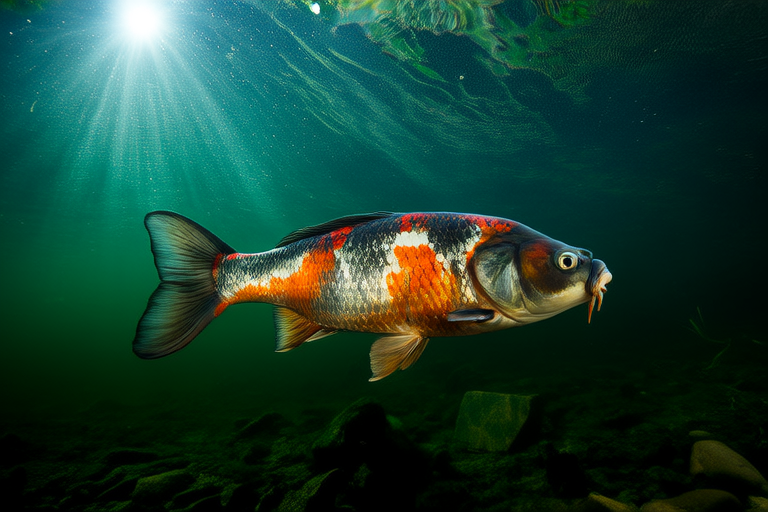
Unveiling the Majestic Beauty of Koi: A Complete Care Guide
Welcome to the fascinating world of koi fish, one of the most beloved aquatic pets across the globe. These magnificent creatures have captivated hearts for centuries with their graceful movements and stunning array of colors. Whether you’re a seasoned aquarist or a novice enthusiast, understanding the intricacies of koi care can significantly enhance your appreciation for these gentle giants. This comprehensive guide will walk you through everything from the origins and varieties of koi to essential care practices that ensure their longevity and well-being.
The Origins and Varieties of Koi
Koi, scientifically known as Cyprinus carpio, originate from East Asia, particularly Japan and China. Initially bred from wild carp, they have been selectively bred over centuries to develop a wide range of vibrant colors and intricate patterns. Today, there are numerous recognized varieties of koi, each distinguished by its unique appearance.
- Shibusa Koi: Known for their subtle elegance and refined beauty, these koi often feature soft pastel colors.
- Tancho Koi: Characterized by a red patch on their head resembling the Japanese flag, these koi are highly prized.
- Hikari Muji Koi: Featuring a metallic sheen throughout their scales, these koi reflect light beautifully, making them visually striking.
Each variety showcases different patterns and hues, including red, white, black, yellow, blue, and cream. The complexity of these designs makes each koi unique, much like a fingerprint. Understanding the various types can help you choose the perfect companions for your aquatic environment.
Diet and Feeding Techniques
Proper nutrition is crucial for maintaining the health and vibrancy of your koi. A balanced diet typically consists of high-quality pellets formulated specifically for koi. These pellets provide essential nutrients, vitamins, and minerals necessary for growth and disease prevention.
Feeding should be done two to three times daily, especially during warmer months when koi are more active. It’s important to feed them only what they can consume within five minutes to prevent overfeeding, which can lead to water pollution. Additionally, incorporating occasional treats such as freeze-dried bloodworms or algae wafers can add variety to their diet and stimulate natural foraging behaviors.
Tank or Pond Setup
Creating an ideal habitat for your koi requires careful planning. While smaller tanks may suffice for young or juvenile koi, adult koi thrive in large ponds with ample space to swim freely. A typical pond should have at least 10 gallons of water per inch of fish.
In addition to size, consider incorporating elements like rocks, plants, and hiding spots to mimic their natural environment. These features not only enrich the visual appeal but also offer shelter and reduce stress. Proper filtration systems are also vital; they maintain water cleanliness by removing debris, excess food, and harmful chemicals.
Water Quality Maintenance
Maintaining optimal water conditions is paramount for koi health. Regular testing of pH levels, ammonia, nitrite, and nitrate concentrations ensures a stable aquatic ecosystem. Aim for a pH between 7.2 and 8.0, with minimal ammonia and nitrite readings. Nitrate levels should be kept below 40 ppm.
Regular partial water changes (about 10-20% weekly) help dilute toxins and replenish beneficial minerals. Using dechlorinated tap water or treated water minimizes chlorine exposure, which can harm sensitive gills.
Temperature Control
Water temperature plays a significant role in koi metabolism and immune function. Koi prefer temperatures ranging from 65°F to 80°F (18°C to 27°C). Sudden fluctuations can stress them, so it’s advisable to gradually acclimate them to new environments.
In colder climates, installing heaters or insulating ponds with bubble curtains helps maintain warmth during winter months. Conversely, shading or using coolers prevents overheating in hot weather.
Filtration Systems
An efficient filtration system is indispensable for sustaining healthy water parameters. Biological filters house beneficial bacteria that convert harmful compounds into less toxic forms. Mechanical filters trap larger particles, while chemical filters absorb dissolved pollutants.
Combining these methods provides robust filtration capable of handling even the largest ponds. Regular cleaning and maintenance of filters prevent clogging and ensure continuous operation.
Health Checks and Common Diseases
Regularly inspecting your koi for signs of illness is crucial. Look out for abnormal behavior, lesions, cloudy eyes, or excessive mucus production. Early detection allows prompt treatment before conditions worsen.
Some common diseases include ich (white spot disease), fin rot, and parasitic infections. Ich manifests as tiny white dots on fins and body, while fin rot causes frayed edges and discoloration. Parasites might appear as small cysts or cause erratic swimming.
Consult with a veterinarian specializing in aquatic animals for accurate diagnosis and appropriate medication. Avoid self-medicating without professional guidance, as improper treatments could exacerbate issues.
The Rewarding Experience of Keeping Koi
Raising koi offers unparalleled joy and satisfaction. Watching them glide gracefully through crystal-clear waters brings peace and tranquility. Their presence transforms any outdoor space into a serene oasis.
To maximize their well-being, focus on creating an optimal environment. This includes providing sufficient space, ensuring clean water, maintaining stable temperatures, and offering nutritious food. By adhering to these guidelines, you’ll foster a thriving community of beautiful koi.
In conclusion, caring for koi involves more than just feeding and cleaning; it entails nurturing living beings that bring immense pleasure. With dedication and knowledge, you can enjoy the majestic beauty of koi for years to come.