 By admin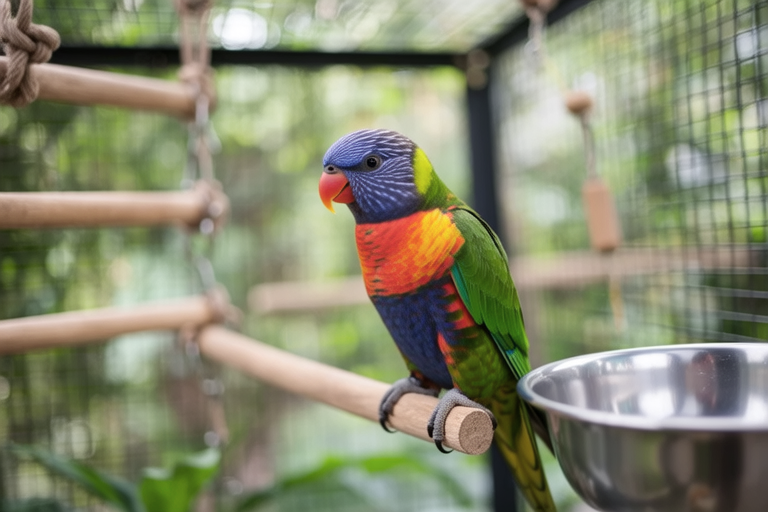
How to Create the Perfect Habitat for Your Colorful New Friend
Welcome to the exciting world of pet ownership! Whether you’re bringing home a vibrant parrot, a scintillating fish, or an exuberant reptile, creating the perfect habitat is crucial for your pet’s health and happiness. This guide will walk you through the essential elements of setting up a habitat that meets the specific needs of your colorful friend, ensuring they thrive in their new home.
Choosing the Right Habitat Size
The first step in creating a perfect habitat is selecting the appropriate size. The rule of thumb is that bigger is better. Larger habitats provide more space for exercise, exploration, and mental stimulation. For example, if you have a bird, ensure the cage is large enough for it to stretch its wings fully without touching the sides. Similarly, reptiles need ample room to move around comfortably, especially if they are active during the day. Always consult with a veterinarian or a specialist in exotic animals to determine the ideal dimensions for your pet’s species.
Ensuring Proper Lighting and Temperature
Lighting and temperature are critical factors in maintaining your pet’s health. Different species have varying requirements for light exposure and warmth. For instance, reptiles often require UVB lighting to synthesize vitamin D3, which aids in calcium absorption. Ensure the bulbs are placed at the correct distance from the basking area and that they emit the appropriate spectrum of light. Regularly check the intensity of the UVB light as it can diminish over time. In contrast, birds might need full-spectrum lighting to mimic natural daylight and support their feather coloration and overall well-being. Temperature control is equally important; many reptiles are ectothermic and rely on external heat sources to regulate their body temperature. Use thermometers and thermostats to monitor and maintain consistent temperatures within their habitat.
Providing Suitable Substrate
The substrate you choose plays a significant role in your pet’s comfort and hygiene. For reptiles, options range from coconut fiber to sand, depending on the species. Some reptiles prefer a dry substrate, while others may need a more humid environment. Birds, on the other hand, typically do not require a substrate but benefit from having a clean surface that is easy to sanitize. When selecting substrate, consider ease of cleaning, potential for ingestion, and whether it promotes healthy respiratory function. Avoid substrates that could cause impaction or respiratory issues.
Incorporating Hiding Spots and Resting Areas
All pets, regardless of species, need places to retreat and rest. Incorporate hiding spots and resting areas into the habitat design to encourage natural behaviors and reduce stress. For reptiles, this might include caves, hollow logs, or rock formations. Birds appreciate perches of varying diameters and heights, along with swings or hammocks. These additions not only enhance the aesthetic appeal of the habitat but also provide necessary psychological enrichment.
Selecting Appropriate Toys and Decorations
Toys and decorations are vital for keeping your pet mentally stimulated and physically engaged. Choose items that are safe and appropriate for your pet’s species. For example, birds enjoy puzzles, mirrors, and bells, while reptiles might benefit from climbing structures or interactive feeding devices. Ensure all toys are durable and free from small parts that could be ingested. Regularly rotate toys to keep your pet interested and prevent boredom.
Maintaining Hygiene and Cleanliness
A clean habitat is essential for preventing illness and promoting longevity. Establish a routine for cleaning the habitat, including regular spot cleaning and deep cleaning sessions. Spot cleaning involves removing waste daily and refreshing water dishes. Deep cleaning entails disinfecting all surfaces and replacing any soiled bedding. Use pet-safe cleaners and follow manufacturer instructions carefully. Additionally, quarantine new pets before introducing them to the existing habitat to avoid spreading diseases.
Offering a Balanced Diet
Nutrition is key to your pet’s health and vitality. Research the dietary needs of your specific pet to ensure they receive a balanced diet. Many pet stores offer specialized diets formulated for various species. Supplement the main diet with fresh fruits, vegetables, and treats to add variety and nutritional value. Monitor your pet’s weight and adjust portions accordingly. Consult with a veterinarian if you notice any changes in appetite or weight.
Tips for Introducing New Pets to Their Environment
Introducing a new pet to its habitat can be stressful for both the animal and the owner. Allow the pet time to acclimate gradually. Place the habitat in a quiet area away from high traffic zones initially. Gradually introduce toys and decorations to familiarize the pet with its new surroundings. Encourage exploration by placing treats or favorite items inside the habitat. Be patient and observant, providing gentle reassurance throughout the process.
Advice on Regular Habitat Maintenance
Regular maintenance ensures your pet’s habitat remains a safe and enjoyable space. Inspect the habitat weekly for signs of wear or damage. Check all equipment, such as lighting fixtures and heating elements, to ensure they function correctly. Replace worn-out components promptly. Keep a log of any issues encountered and address them immediately. By staying proactive, you can prevent problems before they escalate.
Species-Specific Requirements and the Importance of Research
Each species has unique requirements that must be met to ensure optimal health and happiness. Before acquiring a pet, thoroughly research its specific needs regarding habitat setup, care, and maintenance. Consult with professionals, read reputable books and articles, and join online communities dedicated to your pet’s species. Knowledge is power, and being well-informed will greatly enhance your ability to provide the best possible care for your colorful new friend.
By following these guidelines, you’ll create a thriving environment where your colorful pet can flourish. Remember, every pet is an individual with distinct preferences and needs. Pay close attention to your pet’s behavior and adjust the habitat as necessary to meet those needs. With love, patience, and proper care, your pet will lead a long, happy, and healthy life.