 By admin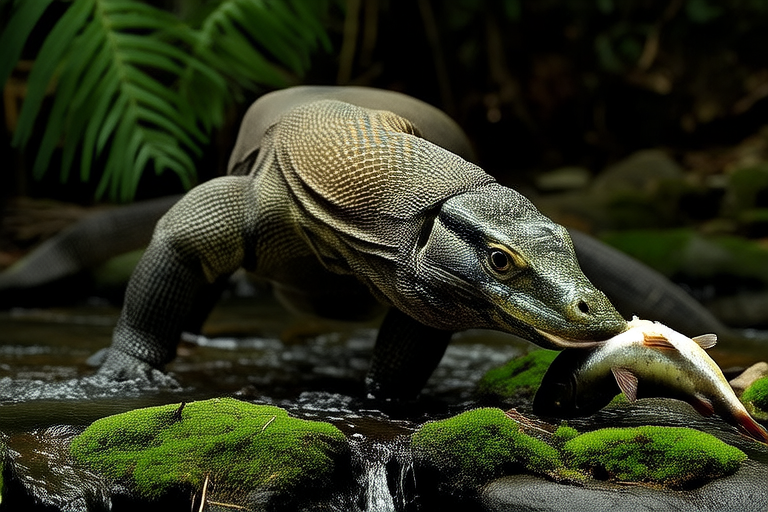
The Ultimate Guide to Feeding Your Water Monitor Safely and Correctly
Understanding Water Monitor Dietary Needs
Water monitors (Varanus salvator) are large, active reptiles with diverse dietary requirements that reflect their natural habitats. They are omnivorous, meaning they consume both animal and plant matter. Their diet should mimic what they would eat in the wild to ensure optimal health.
Wild water monitors primarily feed on small mammals, birds, insects, fish, amphibians, and carrion. They also occasionally consume fruits and vegetables. Captive water monitors require a similar diet, but it must be balanced and varied to provide all necessary nutrients.
Selecting Appropriate Food Sources
Choosing the right food is crucial for your water monitor’s health. Here are some guidelines:
- Live Prey: Small rodents like mice and rats are commonly fed to water monitors. Ensure these are healthy and free from parasites. Feeder insects such as crickets, superworms, and roaches can also be included.
- Fish and Meat: Fresh or frozen fish, chicken, beef, and other meats can supplement their diet. These should be lean and not high in fat.
- Vegetables and Fruits: Offer a variety of vegetables like squash, carrots, and leafy greens, and fruits such as bananas and apples. Ensure they are pesticide-free.
- Variety: Rotate different types of food to keep the diet interesting and to ensure a wide range of nutrients.
Feeding Frequency and Quantity
Water monitors have high metabolisms, especially when young. Feed juveniles daily, reducing this to every other day as they mature. Adult water monitors can be fed once every three days.
The amount of food should be appropriate for their size. A good rule of thumb is that the prey item should be no larger than the space between the monitor’s eyes. Overfeeding can lead to obesity and related health issues.
Safe Handling of Food to Prevent Contamination or Injury
Proper handling of food is essential to prevent contamination and injury. Always wash your hands before and after handling food. Use gloves if necessary to protect yourself from potential pathogens.
When feeding live prey, ensure it is pre-killed to prevent injury to your monitor. Place the food in a secure area away from bedding material to avoid ingestion of substrate.
For meat and fish, thaw frozen items completely before feeding. Avoid raw meats that could harbor bacteria or parasites. Cooked meats are safer and should be served at room temperature.
Common Feeding Mistakes to Avoid
Avoid the following common mistakes:
- Overfeeding: This can lead to obesity and liver problems.
- Underfeeding: Can result in malnutrition and weakened immune systems.
- Improper Food Preparation: Raw meats can introduce harmful bacteria. Always ensure food is clean and safe.
- Lack of Variety: A monotonous diet can lead to nutritional deficiencies.
Nutritional Supplements
To ensure your water monitor receives all necessary nutrients, consider adding supplements:
- Multivitamins: Choose a reptile-specific multivitamin and follow the recommended dosage.
- Calcium and Vitamin D3: Essential for bone health. Dust feeder insects with calcium powder supplemented with vitamin D3.
- Oils: Add a small amount of reptile-safe oil to their diet to provide essential fatty acids.
Signs of Proper Nutrition Versus Malnutrition
Monitor your water monitor’s appearance and behavior to assess its nutritional status:
- Proper Nutrition: Healthy skin, clear eyes, strong muscles, and regular activity levels indicate good health.
- Malnutrition: Signs include dull skin, cloudy eyes, lethargy, weight loss, and swollen joints. If you notice any of these symptoms, consult a veterinarian specializing in reptiles.