 By admin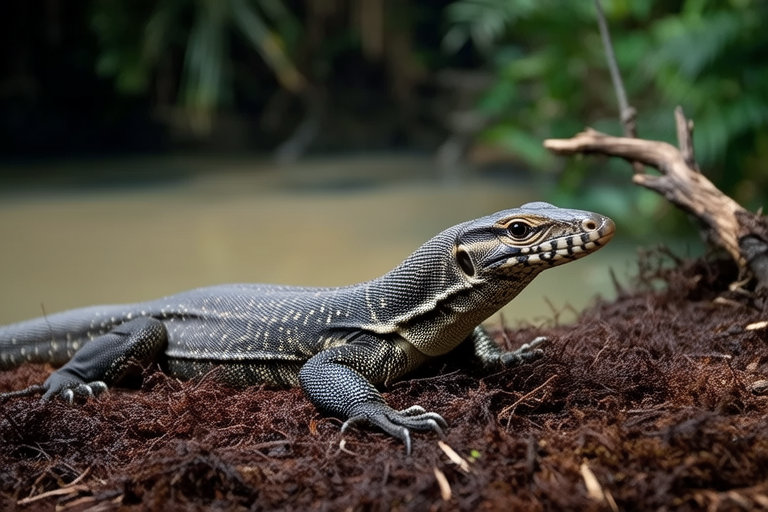
Raising Royalty: Tips and Tricks for Successfully Keeping a Water Monitor as a Pet
The water monitor lizard (Varanus salvator) is one of the largest lizards in the world, native to Southeast Asia, where it thrives in both terrestrial and aquatic environments. Known for its impressive size, intelligence, and adaptability, the water monitor has captured the hearts of many reptile enthusiasts. This guide will provide you with valuable information on raising these magnificent creatures, ensuring they thrive under your care.
Understanding the Water Monitor Lizard
Water monitors can grow up to 3 meters (10 feet) in length, though sizes vary depending on their geographical origin. Their sleek, muscular bodies are covered in scales that range from olive green to brown, often adorned with yellow or white spots. These lizards possess sharp claws and strong limbs, enabling them to climb trees and swim efficiently. They are also known for their powerful tails, which they use for balance and defense.
Water monitors are highly intelligent and curious creatures. In the wild, they are opportunistic feeders, consuming a wide variety of prey, from insects and small mammals to fish and birds. Their keen sense of smell allows them to locate food over long distances, making them formidable hunters.
Responsibilities and Considerations for Potential Owners
Owning a water monitor requires significant commitment and preparation. Below are some essential factors to consider before bringing one home:
Space Requirements
Due to their size, water monitors need ample space to move around and explore. A large enclosure is crucial; a minimum size of 8 feet by 4 feet by 6 feet is recommended for adult lizards. The enclosure should be tall enough to allow vertical climbing and deep enough to accommodate swimming areas.
Habitat Setup
The habitat must mimic the lizard’s natural environment as closely as possible. Include a variety of branches, rocks, and hides for climbing and resting. A shallow pool or water dish large enough for the lizard to fully submerge itself should also be provided. Ensure the water is clean and changed regularly to maintain hygiene.
Dietary Needs
A balanced diet is vital for the health of your water monitor. Offer a mix of live prey, such as mice, rats, and feeder fish. Supplement their diet with gut-loaded insects like crickets and mealworms. Feed young monitors daily, while adults may require feeding every two to three days.
Health Care
Regular veterinary check-ups are necessary to ensure the lizard remains healthy. Common health issues include respiratory infections, parasites, and metabolic bone disease. Maintain proper humidity levels (60-70%) and temperatures (basking spot at 95-100°F, cooler area at 75-85°F) within the enclosure to prevent these problems.
Tips for Handling and Feeding
Proper handling techniques are essential when interacting with your water monitor. Always approach the lizard calmly and gently, allowing it to become accustomed to your presence. Use a secure grip, supporting its body and tail to avoid injury. Never handle your lizard immediately after feeding, as this can lead to regurgitation.
Feeding your water monitor correctly is equally important. Thaw frozen prey at room temperature and avoid offering food items larger than the width of the lizard’s head. Monitor your lizard’s weight and adjust the quantity and frequency of feedings accordingly.
Maintaining the Environment
To ensure the well-being of your water monitor, pay close attention to the maintenance of its environment. Clean the enclosure regularly, removing waste and uneaten food promptly. Replace substrate and water as needed. Regularly inspect the enclosure for signs of wear and tear, replacing any damaged components.
Providing enrichment activities can help stimulate your lizard mentally and physically. Introduce new toys or objects into the enclosure periodically to encourage exploration and exercise.
Common Challenges and Solutions
Owning a water monitor comes with its share of challenges. Some common issues include aggression, escape attempts, and difficulty adapting to captivity. To address these concerns, provide a stimulating and enriching environment that meets the lizard’s physical and psychological needs.
If your water monitor becomes aggressive, it may be due to stress or discomfort. Evaluate the enclosure and make adjustments if necessary. Offer hiding spots and reduce handling until the lizard feels more secure. For escape attempts, ensure the enclosure is secure and provide sufficient stimulation to reduce the desire to leave.
Conclusion: Embracing the Commitment
Raising a water monitor is a rewarding but demanding endeavor. It requires dedication, knowledge, and patience. By understanding the lizard’s unique needs and providing a suitable environment, you can ensure its well-being and enjoy a fulfilling relationship with your pet.
Remember, owning a water monitor is a long-term commitment. Be prepared to invest time, effort, and resources into their care. With the right approach, you can raise a healthy, happy water monitor that will bring joy and fascination to your life for years to come.