 By admin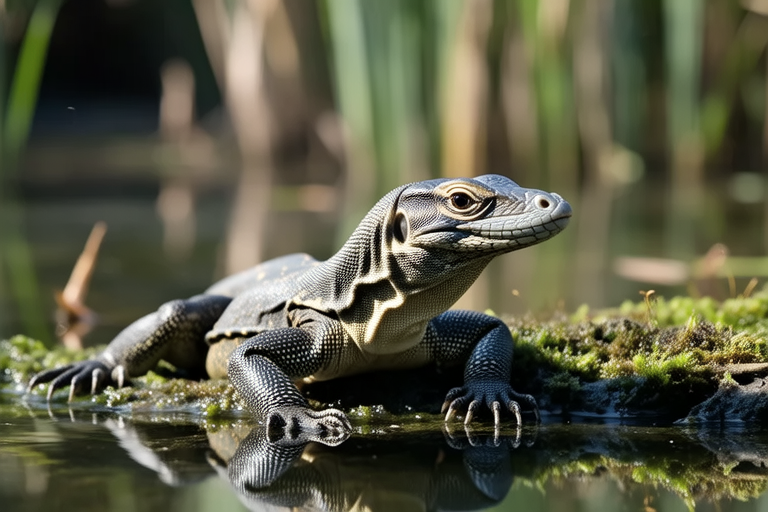
From Swamp to Spotlight: How Water Monitors Have Captured Our Hearts
The water monitor (Varanus salvator) is a species of lizard native to South and Southeast Asia, known for its impressive size and remarkable adaptability. Found in swamps, mangroves, and freshwater habitats, these reptiles have long been shrouded in mystery and fear, yet they have also captured the hearts of many through their fascinating behaviors and unique adaptations.
Natural Habitat and Physical Characteristics
Water monitors thrive in diverse environments ranging from dense forests to open grasslands, but they are most commonly found in swamps and wetlands. These areas provide them with ample opportunities to hunt and bask in the sun. Water monitors can grow up to 3 meters in length, making them one of the largest lizards in the world. Their sleek, muscular bodies are covered in rough scales that protect them from predators and harsh environmental conditions. The tail is particularly strong and powerful, used for swimming and as a weapon when necessary. Their coloration varies depending on their habitat, often blending into the surrounding foliage or water to help them avoid detection by both prey and predators.
Historical Perception and Evolution
In many cultures, water monitors were historically viewed with suspicion and fear due to their large size and aggressive nature. They were often seen as dangerous predators capable of attacking humans and livestock. However, over time, our understanding of these animals has evolved significantly. Today, water monitors are recognized as intelligent and resourceful creatures that play an important role in maintaining the balance of their ecosystems.
Fascinating Facts About Behavior, Diet, and Adaptations
Water monitors are opportunistic feeders, consuming a wide variety of prey including fish, amphibians, small mammals, birds, and even carrion. Their sharp teeth and powerful jaws enable them to tackle larger prey items, while their keen sense of smell helps them locate food buried beneath the ground or underwater. One of the most intriguing aspects of water monitors is their ability to hold their breath for extended periods, allowing them to dive deep into murky waters in search of hidden meals.
Another remarkable adaptation is their ability to climb trees and swim efficiently. This versatility allows them to exploit different habitats within their range, increasing their chances of survival. Additionally, water monitors possess excellent eyesight and hearing, which aid in detecting potential threats or opportunities for feeding.
Challenges Faced in the Wild
Despite their impressive abilities, water monitors face numerous challenges in the wild. Habitat destruction caused by deforestation, agricultural expansion, and urbanization poses a significant threat to their survival. As more land is cleared for human use, suitable habitats for water monitors diminish, forcing them into smaller areas where resources may be scarce.
Poaching is another major issue affecting water monitor populations. Many individuals are captured alive for the exotic pet trade or killed for their skins, which are highly valued in some regions. This illegal activity not only depletes local populations but also disrupts breeding cycles and alters ecosystem dynamics.
Media and Social Platform Presence
Over recent years, water monitors have gained popularity as subjects in various forms of media, including documentaries, viral videos, and wildlife photography. Their striking appearance and intriguing behaviors make them ideal candidates for showcasing the wonders of nature. Documentaries such as “Planet Earth” and “Blue Planet II” have featured water monitors engaging in hunting and social interactions, providing viewers with a deeper appreciation for these animals.
Social media platforms like YouTube, Instagram, and TikTok have played a crucial role in spreading awareness about water monitors. Viral videos showcasing their agility, intelligence, and sometimes comical antics have garnered millions of views worldwide. Wildlife photographers have also contributed significantly to raising public interest by capturing stunning images of water monitors in their natural habitats.
Conservation Efforts and What You Can Do
To address the challenges faced by water monitors, several organizations are working tirelessly towards conserving their habitats and protecting them from exploitation. Initiatives include reforestation projects aimed at restoring degraded areas, anti-poaching patrols, and community education programs designed to promote coexistence between humans and wildlife.
Individuals can contribute to these efforts by supporting conservation organizations financially or volunteering time when possible. Additionally, raising awareness among friends and family members about the importance of preserving water monitor populations can help create a broader base of support for ongoing initiatives. By taking action now, we can ensure that future generations will continue to marvel at these magnificent creatures.