 By admin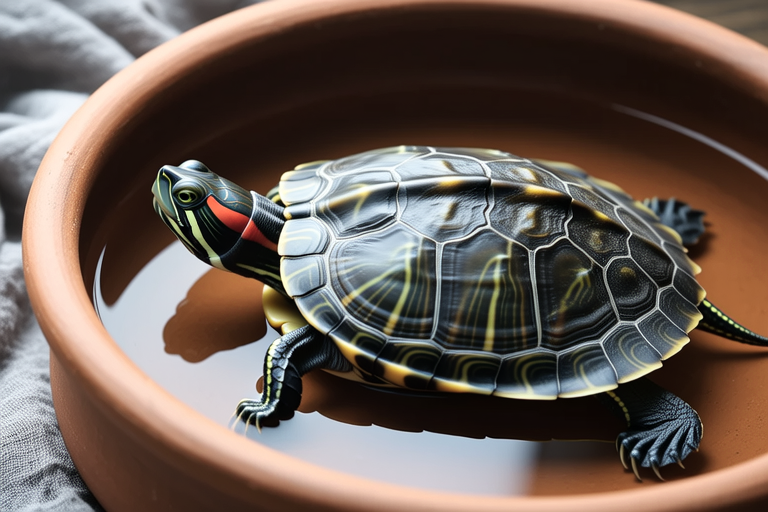
How to Spot and Prevent Common Health Issues in Red-eared Sliders
Red-eared sliders (Trachemys scripta elegans) are among the most popular pet turtles worldwide. Known for their vibrant coloration and relatively manageable size, they have become a favorite among both novice and experienced reptile enthusiasts. However, like all pets, red-eared sliders require specific care to maintain optimal health. This article aims to provide comprehensive guidance on identifying common health issues in red-eared sliders and how to prevent them.
Understanding Basic Health Needs of Red-eared Sliders
Before delving into health issues, it’s essential to understand the basic needs of red-eared sliders. These turtles are semi-aquatic, meaning they spend part of their time in water and part on land. Their environment should reflect this dual nature, providing both aquatic and terrestrial areas. A well-balanced diet, clean water, and appropriate temperatures are crucial for their overall health.
Common Signs of Illness in Red-eared Sliders
Recognizing early signs of illness can significantly improve your turtle’s chances of recovery. Here are some common indicators that something might be wrong:
- Lethargy: If your turtle is unusually inactive or shows a lack of interest in its surroundings, it could be a sign of underlying health problems.
- Loss of Appetite: A sudden decline in eating habits is often associated with stress or disease.
- Abnormal Swelling: Look out for any unusual bulges or swellings around the eyes, mouth, or limbs, which may indicate infections.
- Respiratory Issues: Difficulty breathing, wheezing, or mucus discharge from the nostrils can signal respiratory problems.
Preventive Care Tips
Prevention is always better than cure. By following these preventive care tips, you can help ensure your red-eared slider stays healthy:
Proper Diet
A balanced diet rich in nutrients is vital for maintaining good health. Offer a mix of commercial turtle pellets, fresh vegetables (such as romaine lettuce, collard greens), and occasional treats like earthworms or mealworms. Ensure that the food items are appropriate for their age and size.
Habitat Setup
The habitat should mimic the natural environment of red-eared sliders as closely as possible. This includes:
- Adequate Space: Provide ample space for swimming and basking.
- Basking Area: Include a dry area where the turtle can fully extend itself under a UVB light source.
- Water Filtration: Invest in a high-quality filter to keep the water clean and free from harmful bacteria.
Water Quality Maintenance
Poor water quality is one of the leading causes of health problems in aquatic turtles. Regularly test the water parameters such as pH level, ammonia, nitrite, and nitrate levels. Perform partial water changes weekly to maintain cleanliness.
Temperature Regulation
Maintaining the correct temperature range is critical for your turtle’s metabolism and immune system. Use a combination of heat lamps and submersible heaters to achieve the desired water temperature (around 75-80°F). The basking area should reach about 90°F during the day.
The Importance of Regular Veterinary Check-Ups
Even if your turtle appears healthy, regular visits to a veterinarian specializing in reptiles can catch potential issues early. During these check-ups, vets will examine your turtle thoroughly, perform necessary tests, and offer advice on maintaining optimal health.
When to Seek Immediate Veterinary Assistance
Sometimes, despite your best efforts, your turtle may fall ill suddenly. In such cases, knowing when to seek professional help can make all the difference. You should contact a vet immediately if your turtle exhibits any of the following symptoms:
- Severe lethargy or inability to move
- Visible deformities or injuries
- Excessive bleeding or discharge
- Difficulty breathing or open-mouthed breathing
Remember, prompt action can save your pet’s life and potentially avoid more serious complications.
In conclusion, keeping your red-eared slider healthy requires attention to detail and proactive care. By understanding their basic needs, recognizing signs of illness, implementing preventive measures, and scheduling regular vet visits, you can ensure your pet leads a long and happy life. With dedication and knowledge, you can provide your turtle with the best possible care, fostering a strong bond between you and your beloved pet.