 By admin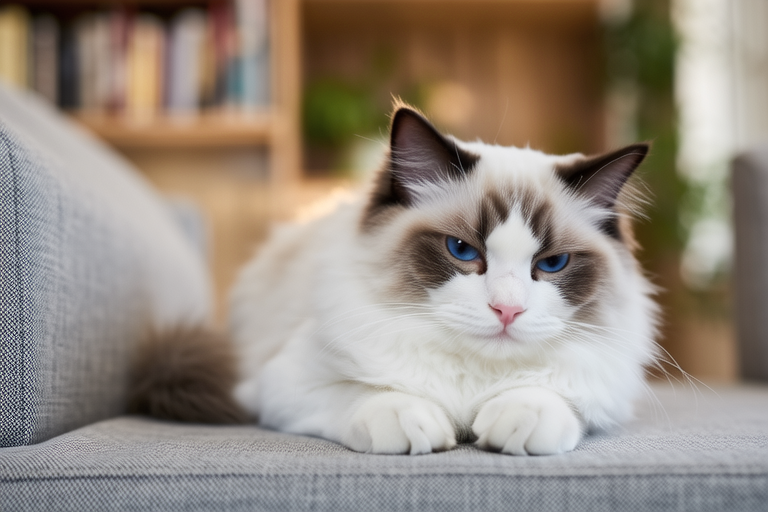
The Lazy Beauty’s Secret: Inside the Life of a Ragdoll Cat
Introduction:
For those who dream of having a feline companion that is both elegant and affectionate, the Ragdoll cat is an ideal choice. Known for their docile nature and plush coats, these cats have captured the hearts of many. In this article, we delve into the world of Ragdolls, exploring their unique temperament, physical characteristics, care requirements, and health concerns. We’ll also share stories that illustrate why these gentle giants are perfect for families and individuals alike.
A Gentle Giant with a Plush Coat
Ragdoll cats are often described as ‘dog-like’ due to their loyalty and affectionate nature. They are medium to large-sized cats, with males typically weighing between 12 to 20 pounds and females between 8 to 15 pounds. Their semi-longhaired coat, which comes in various colors and patterns, requires minimal grooming, making them an excellent choice for busy pet owners.
One of the most striking features of the Ragdoll is its blue almond-shaped eyes, which add to its striking appearance. The coat of a Ragdoll is soft and silky, and it can come in a variety of colors including seal, chocolate, blue, lilac, red, and cream. These colors can be combined with various patterns such as bi-color, van, mitted, and colorpoint.
Affectionate and Relaxed Demeanor
Ragdolls are known for their calm and laid-back personalities. They enjoy being close to their human companions, often following them around the house like loyal puppies. This trait makes them particularly well-suited for households where someone is home most of the time.
Despite their laid-back nature, Ragdolls are playful and enjoy interactive playtime. They are especially fond of games that involve batting toys or chasing after objects. However, their energy levels tend to be moderate, and they are more likely to curl up next to you for a nap than engage in high-intensity activities.
One story that exemplifies the affectionate nature of Ragdolls involves a family who adopted a Ragdoll kitten. The kitten quickly bonded with the youngest child, following her everywhere and even sleeping at the foot of her bed. When the child was sick and confined to bed rest, the Ragdoll cat stayed by her side, providing comfort and companionship during a difficult time.
Care Requirements and Health Concerns
Ragdolls are generally healthy cats, but like all breeds, they are prone to certain health issues. One of the most common problems is Hypertrophic Cardiomyopathy (HCM), a heart condition that can lead to sudden death if left untreated. Regular veterinary check-ups and early detection through genetic testing can help manage this condition.
Another concern is Polycystic Kidney Disease (PKD), which is a genetic disorder that affects the kidneys. While there is no cure for PKD, early detection and management can slow the progression of the disease. It’s important for owners to work closely with their veterinarians to monitor their Ragdoll’s health and address any issues promptly.
In addition to health concerns, Ragdolls require regular grooming to maintain their luxurious coats. Weekly brushing helps prevent matting and keeps their fur looking its best. Owners should also pay attention to dental hygiene, trimming nails, and checking for signs of ear infections.
Dietary Needs
Ragdolls are obligate carnivores, meaning their diet should consist primarily of animal-based proteins. A balanced diet rich in essential nutrients is crucial for maintaining their overall health and well-being. High-quality commercial cat foods that meet the nutritional standards set by organizations such as the Association of American Feed Control Officials (AAFCO) are recommended.
Owners should avoid feeding their Ragdolls foods that are harmful to cats, such as chocolate, onions, garlic, grapes, and raisins. It’s also important to provide fresh water at all times and monitor food intake to prevent obesity, which can lead to other health issues.
Some owners choose to supplement their Ragdoll’s diet with vitamins or minerals, but it’s essential to consult with a veterinarian before adding any supplements to their pet’s regimen. Proper nutrition is key to ensuring that your Ragdoll remains healthy and vibrant throughout its life.
Tips for Potential Owners
If you’re considering adopting a Ragdoll, there are several things to keep in mind. First, it’s important to find a reputable breeder who prioritizes the health and well-being of their cats. Look for breeders who participate in genetic screening programs and provide documentation of health clearances.
When bringing a new Ragdoll into your home, take the time to introduce them to their environment gradually. Provide a safe space where they can retreat if they feel overwhelmed. Offer plenty of toys and scratching posts to encourage healthy play and exercise.
Ragdolls are social animals that thrive on human interaction, so make sure to spend quality time with your cat each day. Engage in play sessions, offer treats, and provide affection. By doing so, you’ll strengthen the bond between you and your Ragdoll and ensure a happy and fulfilling life for both of you.
Conclusion
The Ragdoll cat is a unique and wonderful addition to any household. With their affectionate nature, relaxed demeanor, and striking appearance, these cats are sure to bring joy and companionship to their owners. By understanding their care requirements, health concerns, and dietary needs, you can provide your Ragdoll with the best possible life. Whether you’re a seasoned cat owner or new to the world of feline companions, the Ragdoll is an ideal choice for those seeking a loving and loyal friend.