 By admin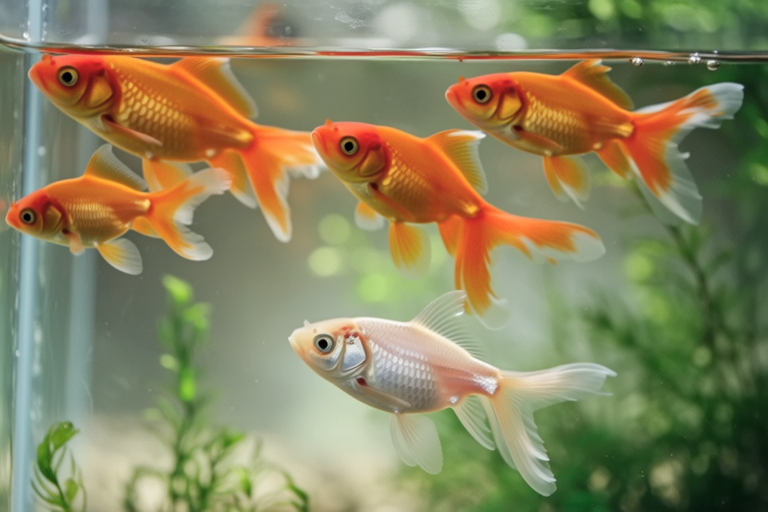
From Tiny Fry to Majestic Swimmers: Raising Goldfish Like a Pro
Welcome to the world of goldfish keeping! These charming, vibrant creatures have captivated hearts for centuries. From the quaint bowl to the grand aquarium, goldfish are a favorite among pet enthusiasts. Their graceful movements and wide range of colors make them a delightful addition to any home. This article will guide you through every step of raising goldfish, from setting up their perfect environment to ensuring they remain healthy and happy.
Setting Up the Perfect Tank Environment
The first step in raising goldfish is creating a comfortable and safe living space. A well-planned tank setup can prevent many common issues that plague novice fishkeepers. Choose a tank size appropriate for the number of goldfish you plan to keep. Remember, goldfish grow quickly and require ample swimming space; ideally, one goldfish should have at least 20 gallons of water.
Lighting is crucial for your goldfish’s health and well-being. Install a full-spectrum light to simulate natural daylight cycles. Avoid placing the tank near direct sunlight to prevent algae growth and temperature fluctuations. Additionally, consider adding live plants to the tank. Not only do they enhance the aesthetic appeal, but they also help maintain water quality by absorbing harmful chemicals and providing hiding spots.
Essential Equipment and Water Parameters
To ensure optimal health, equip your tank with necessary tools. An efficient filtration system is vital for maintaining clean water. Opt for a filter that matches your tank size and can handle multiple cleaning tasks such as mechanical, biological, and chemical filtration. Regular water testing kits are indispensable for monitoring key parameters like pH levels, ammonia, nitrite, and nitrate concentrations.
Maintaining the right water temperature is equally important. Goldfish thrive in temperatures between 68°F and 74°F (20°C to 23°C). Use a heater if your room temperature drops below this range during colder months. However, avoid sudden temperature changes, as they can stress your fish.
Feeding Habits and Suitable Diets
Goldfish have voracious appetites, but it’s essential to feed them appropriately. Overfeeding can lead to poor water quality and health problems. Offer small portions several times daily rather than large meals once a day. Monitor how much your goldfish eat within a few minutes and adjust accordingly.
Different life stages require varied diets. Young fry need fine-grained foods rich in protein, such as specialized fry food or crushed flakes. As they mature, switch to larger pellets or flakes designed for adult goldfish. Incorporate occasional treats like blanched vegetables (e.g., peas) or high-quality frozen foods to provide a balanced diet.
Maintaining Water Quality and Preventing Diseases
Regular maintenance ensures your goldfish remain healthy. Perform partial water changes weekly, removing about 10-20% of the water volume. This helps dilute waste products and replenish beneficial minerals. During water changes, gently siphon debris from the substrate without disturbing the fish.
Common diseases to watch out for include ich (white spot disease), fin rot, and swim bladder disorders. Ich manifests as tiny white dots on the fish’s body, fins, and gills. Fin rot appears as frayed or discolored fins, while swim bladder issues cause abnormal swimming behavior. Early detection and prompt treatment are critical. Quarantine new arrivals before introducing them to your main tank to prevent spreading illnesses.
Preventive measures include maintaining pristine water conditions, quarantining new additions, and avoiding overcrowding. Also, quarantine sick fish immediately to prevent the spread of pathogens.
Observing Behavioral Changes and Signs of Health
Closely observe your goldfish’s behavior regularly. Healthy goldfish exhibit normal swimming patterns, active feeding, and clear eyes. Any deviation from these norms may indicate underlying issues. For instance, lethargy, loss of appetite, or unusual swimming patterns could signal illness. Conversely, vibrant colors, active feeding, and playful interactions suggest good health.
In conclusion, raising goldfish requires dedication and attention to detail. By following these guidelines, you’ll create a thriving environment where your goldfish can flourish from tiny fry to majestic swimmers. Enjoy the journey of nurturing these captivating aquatic companions!