 By admin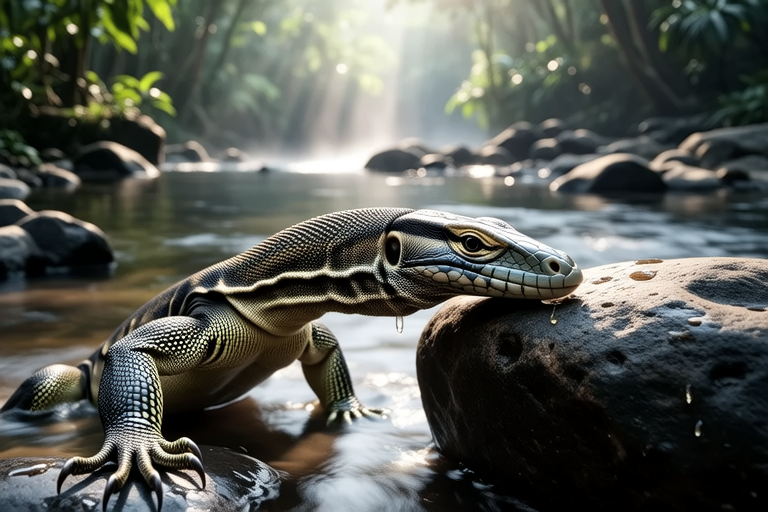
Unleashing the Mystery: Everything You Need to Know About Water Monitors
Water monitors (Varanus salvator) are among the largest lizards in the world, known for their remarkable adaptability and intriguing behaviors. Found in various parts of Southeast Asia, these creatures are fascinating subjects for both wildlife enthusiasts and those considering them as exotic pets. This article delves into the natural habitat, diet, behavior, and unique physical traits of water monitors, alongside the challenges of owning one as a pet, including legal considerations, housing, feeding, and health care.
Natural Habitat
Water monitors thrive in diverse environments, from dense jungles to coastal mangroves and freshwater habitats like rivers and lakes. They are highly adaptable, capable of living near human settlements, which has contributed to their widespread distribution across Southeast Asia, including regions of India, Sri Lanka, Indonesia, and the Philippines. Their preferred habitats include areas with abundant vegetation, where they can find shelter and prey.
Diet
Water monitors are opportunistic feeders, consuming a wide variety of prey. Their diet primarily consists of insects, fish, amphibians, small mammals, birds, and even carrion. In captivity, owners must replicate this varied diet to ensure proper nutrition. A balanced diet typically includes commercially available reptile pellets, feeder insects, and occasional live prey items. It’s essential to consult with a veterinarian experienced in exotic animals to determine the best dietary plan for your monitor.
Behavior
Water monitors are active, curious, and intelligent animals. They are excellent climbers and swimmers, using their long tails for propulsion in water and balance while climbing trees. These lizards are also known for their strong jaws and sharp teeth, which they use to capture and subdue prey. Their behavior can be unpredictable, especially when young, but with time and patience, they can become accustomed to human presence.
Unique Physical Traits
Water monitors possess several unique physical features that set them apart from other lizards. Their powerful limbs and long, muscular tails make them adept at climbing and swimming. Their tongues are forked, allowing them to detect chemical signals in the environment, much like snakes. Additionally, water monitors have a third eyelid called a nictitating membrane, which protects their eyes while swimming. Males are generally larger than females, reaching lengths of up to 3 meters, while females tend to be smaller, averaging around 1.5 meters.
Challenges of Owning a Water Monitor as a Pet
While water monitors are captivating animals, they come with significant challenges for potential owners. Below are some key considerations:
Legal Considerations
Before acquiring a water monitor, it’s crucial to check local laws and regulations regarding exotic pet ownership. Many countries and states have restrictions or require permits for keeping certain species, including water monitors. Violating these laws can result in hefty fines and the confiscation of your pet. Always research and comply with local regulations to avoid legal troubles.
Housing
Providing adequate housing is a major challenge for water monitor owners. These lizards require spacious enclosures that allow for climbing and swimming. A minimum enclosure size of 6 feet by 6 feet by 6 feet is recommended for adult monitors, with additional space for swimming pools. The enclosure should include branches for climbing, hiding spots, and a water area large enough for the lizard to fully submerge. Proper ventilation and temperature control are also essential, as water monitors need specific environmental conditions to thrive.
Feeding
Feeding a water monitor can be challenging due to their voracious appetite and varied diet requirements. Owners must provide a balanced diet that mimics the wild diet of the animal. This includes a mix of live prey, such as mice, fish, and insects, along with commercially available reptile pellets. Feeding schedules should be consistent, with regular monitoring to ensure the lizard maintains a healthy weight. Overfeeding can lead to obesity, while underfeeding can cause malnutrition.
Health Care
Regular veterinary care is vital for the well-being of your water monitor. Common health issues include respiratory infections, parasites, and metabolic bone disease. Routine check-ups, vaccinations, and preventive treatments for parasites are necessary to maintain the lizard’s health. Owners should be prepared for the financial commitment involved in providing proper healthcare, including visits to specialized veterinarians who have experience with exotic pets.
Intelligence and Interaction with Humans
Water monitors are known for their intelligence and can form bonds with their owners over time. They exhibit problem-solving skills and have been observed using tools in the wild. In captivity, water monitors can learn to recognize their handlers and may even respond to commands. However, their behavior can be unpredictable, especially during feeding times, so caution is advised. With patience and consistency, water monitors can become interactive and enjoyable companions.
Conclusion
Water monitors are magnificent creatures with a fascinating array of behaviors and physical adaptations. While they can make rewarding pets for experienced owners, the challenges associated with their care must not be underestimated. Potential owners should thoroughly research and prepare themselves before taking on the responsibility of caring for a water monitor. By understanding their needs and providing appropriate care, owners can enjoy a fulfilling relationship with these incredible lizards.