 By admin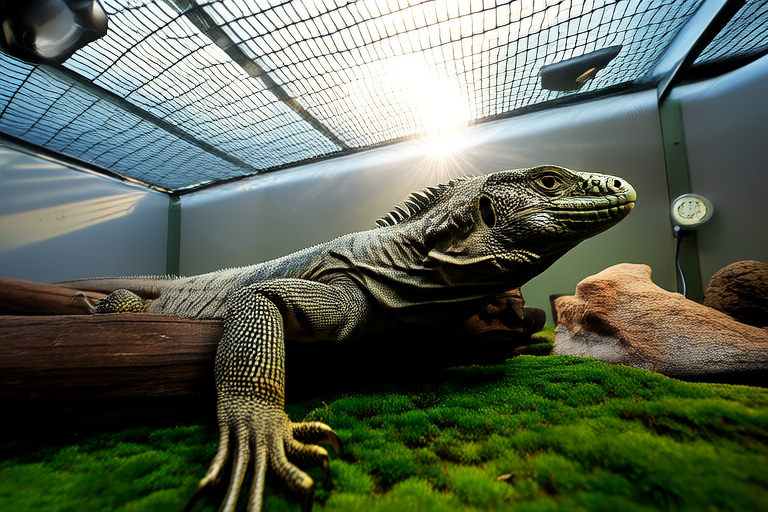
How to Care for a Water Monitor: A Comprehensive Guide for Pet Owners
Welcome to the world of exotic pets! If you’re considering adopting a water monitor or already have one as a companion, this comprehensive guide will help you understand the unique requirements of these fascinating creatures. From habitat setup to dietary needs, we’ll cover everything you need to know to ensure your water monitor thrives in its new home.
Introduction to Water Monitors
Water monitors (Varanus salvator) are among the largest lizards in the world, native to Southeast Asia. These intelligent and active reptiles can grow up to 7 feet long, making them a significant commitment for any pet owner. Despite their size, they are known for their curious nature and can be quite affectionate with their caretakers when properly socialized.
Habitat Setup
Enclosure Size
The first step in setting up a suitable habitat for your water monitor is choosing an appropriate enclosure. Due to their size and activity level, water monitors require a spacious environment that allows ample room for movement and exploration. A minimum enclosure size of 8 feet by 4 feet by 6 feet high is recommended for adult water monitors. This ensures they have enough space to move around freely without feeling cramped.
Heating and Lighting
Proper heating and lighting are crucial for maintaining the health of your water monitor. Water monitors are ectothermic, meaning they rely on external sources to regulate their body temperature. A basking area with temperatures ranging from 95°F to 100°F should be provided at one end of the enclosure. At the cooler end, the temperature should drop to around 80°F. UVB lighting is also essential for calcium metabolism and overall health. Ensure that the lighting is on for approximately 12 hours each day.
Substrate
Selecting the right substrate is important for both aesthetics and functionality. Many owners prefer coconut fiber or cypress mulch because they retain moisture well, which mimics the natural environment of water monitors. Avoid substrates like sand, as it can cause impaction if ingested. Additionally, provide shallow water areas within the enclosure where your monitor can swim and soak, which helps maintain hydration and supports healthy skin.
Diet and Feeding Guidelines
Water monitors are carnivorous and require a varied diet rich in protein. In the wild, they consume fish, insects, small mammals, birds, and eggs. As pets, their diet can include commercially available frozen-thawed rodents, feeder fish, crickets, and mealworms. It’s important to gut-load feeder insects with nutritious food before offering them to your monitor. Feed juveniles daily, reducing the frequency as they mature. Always provide fresh water in a shallow dish for drinking and soaking.
Handling and Socialization Tips
While water monitors can become accustomed to handling, it requires patience and consistency. Start by establishing trust through positive interactions and gradually increase the duration of handling sessions. Always support their body weight and avoid sudden movements that could startle them. Socialization begins early; handle your water monitor frequently from a young age to encourage familiarity and comfort with human contact.
Health Concerns and Common Diseases
Despite their robust appearance, water monitors are susceptible to certain health issues. Metabolic bone disease (MBD) is one of the most common ailments, caused by inadequate calcium intake or insufficient UVB exposure. Regular veterinary checkups, especially those focusing on blood calcium levels, can help prevent MBD. Other potential problems include respiratory infections, parasites, and injuries sustained during improper handling. Early detection and treatment are key to maintaining your monitor’s health.
Grooming Needs
Grooming your water monitor primarily involves nail trimming and occasional bathing. Their nails can grow long and sharp, potentially causing discomfort or injury. Use proper tools designed for reptiles and consult with an experienced handler or veterinarian if you’re unsure about the process. Bathing helps keep their skin hydrated and clean, promoting overall hygiene.
Legal Considerations Regarding Ownership
Prior to acquiring a water monitor, research local laws governing exotic pet ownership. Some regions have strict regulations or outright bans on keeping certain species as pets. Obtain all necessary permits and licenses required by your locality. Additionally, consider ethical implications and ensure you can commit to providing lifelong care for this long-lived animal.
Resources for Further Learning
To deepen your understanding of water monitors and enhance your ability to care for them, explore books, articles, forums, and community groups dedicated to reptile enthusiasts. Engaging with experienced owners and professionals can provide valuable insights and support throughout your journey with these remarkable creatures.
In conclusion, caring for a water monitor demands dedication, knowledge, and resources but offers rewarding companionship. By following the guidelines outlined here, you can create a nurturing environment where your water monitor can thrive physically and mentally. Remember, every interaction shapes your relationship with your pet, so approach each day with curiosity and respect.