 By admin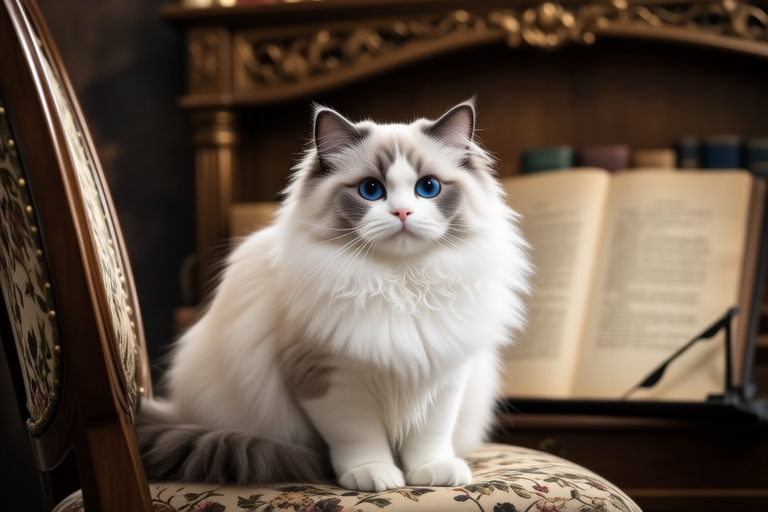
The Origins and Evolution of Persian Cats
Persian cats have captivated human hearts for centuries with their striking appearance and gentle demeanor. From ancient royal pets to beloved companions, these felines have left an indelible mark on human history. This article explores the origins and evolution of Persian cats, highlighting key historical periods, their depiction in art and literature, breeding developments, and how their distinctive appearance and temperament have made them iconic in the world of cat breeds. We will also delve into notable facts about their care and health, as well as their current status in popular culture.
Origins and Early History
The exact origins of Persian cats are shrouded in mystery, but they are believed to have originated in Persia (modern-day Iran) thousands of years ago. These cats were highly valued by Persian royalty and nobility, who kept them as cherished pets. The earliest known depictions of long-haired cats can be found in the artwork of ancient Persia, suggesting that these cats were already recognized for their unique appearance. It is thought that Persian cats were introduced to Europe through trade routes, where they quickly became sought after by European aristocracy.
The Arrival in Europe
Persian cats arrived in Europe during the 16th century, when trade between Persia and Europe flourished. They were first brought to Italy, where they quickly gained popularity among the wealthy and influential. The breed’s luxurious coat and regal bearing made it a favorite among European nobility, and Persian cats soon became symbols of luxury and refinement. By the 17th century, Persian cats had spread throughout Europe, with notable mentions in the writings of French naturalist Georges-Louis Leclerc, Comte de Buffon, and English poet Alexander Pope.
Breeding Developments
The modern Persian cat is the result of careful breeding over several centuries. Breeders have focused on enhancing the breed’s most desirable traits, such as its long, silky coat and gentle temperament. In the late 19th century, Persian cats were exhibited at cat shows in England, leading to the establishment of breed standards and the creation of the first Persian cat clubs. The breed has since undergone significant changes, with breeders selecting for increasingly flattened faces and larger eyes, which have become hallmarks of the modern Persian cat.
Depiction in Art and Literature
Persian cats have been featured in countless works of art and literature throughout history. Their elegant appearance and gentle nature have inspired artists and writers alike. One of the most famous depictions of Persian cats can be found in the painting “The Persian Cat” by Sir Edwin Landseer, which was completed in 1833. This painting captures the breed’s grace and beauty, and it remains one of the most recognizable images of Persian cats today. Persian cats have also been featured in literature, including in the works of Lewis Carroll and T.S. Eliot.
Distinctive Appearance and Temperament
Persian cats are known for their distinctive appearance, which includes a long, silky coat, large, round eyes, and a flattened face. Their coats come in a wide variety of colors and patterns, making them one of the most diverse cat breeds. Persian cats are also known for their calm and gentle temperament, which makes them ideal companions for people of all ages. They are often described as affectionate and loyal, and they tend to form strong bonds with their owners.
Care and Health
Persian cats require regular grooming to maintain their luxurious coats. Owners should brush their cats daily to prevent matting and tangling, and they should also provide regular baths to keep their coats clean and healthy. Persian cats are prone to certain health issues, including respiratory problems, dental disease, and urinary tract infections. Owners should be vigilant about their cats’ health and seek veterinary care if they notice any signs of illness.
Current Status in Popular Culture
Persian cats continue to enjoy widespread popularity in popular culture. They are frequently featured in movies, television shows, and advertisements, and they are often used as mascots for various products and services. Persian cats are also popular subjects for social media, with many owners sharing photos and videos of their cats online. In addition, Persian cats are often featured in cat shows and competitions, where breeders showcase their cats’ exceptional qualities.
Conclusion
Persian cats have come a long way from their origins as royal pets in ancient Persia. Over the centuries, they have evolved into one of the most beloved and recognizable cat breeds in the world. Their distinctive appearance and gentle temperament have made them ideal companions for people of all ages, and they continue to capture hearts and imaginations today. Whether you’re a seasoned cat owner or a newcomer to the world of feline companionship, Persian cats offer a lifetime of joy and companionship.