 By admin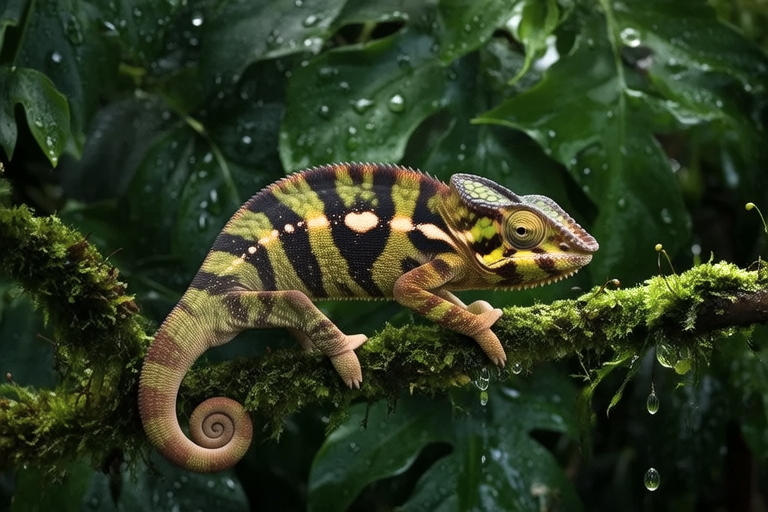
How to Create the Ultimate Habitat for Your Colorful Chameleon Friend
Welcome to the fascinating world of chameleons! These captivating creatures have long intrigued pet owners with their vibrant colors and unique behaviors. However, owning a chameleon comes with significant responsibilities, as they require specific environmental conditions to thrive. Unlike many other pets, chameleons have highly specialized needs that must be met to ensure their health and happiness. This guide will walk you through creating the perfect habitat for your colorful chameleon friend.
Selecting the Appropriate Size and Type of Enclosure
The first step in setting up a suitable habitat for your chameleon is choosing the right enclosure. Chameleons need ample space to climb and move around freely. A good rule of thumb is to provide at least one square foot of floor space for every inch of the chameleon’s length. For example, a baby panther chameleon requires a 16x16x32-inch tank, while an adult might need a larger one, approximately 24x24x48 inches or more. Glass terrariums or mesh enclosures are ideal because they offer excellent ventilation and allow natural light to enter.
Essential Heating and Lighting Requirements
Chameleons are ectothermic animals, meaning they rely on external sources of heat to regulate their body temperature. Proper heating is crucial for digestion and overall health. Use a ceramic heat emitter or a basking bulb to create a hot spot within the enclosure, ideally reaching between 90-100°F (32-38°C). Ensure there is also a cooler area where the chameleon can retreat if it becomes too warm. The ambient temperature should range from 75-85°F (24-29°C).
Lighting plays an equally important role in a chameleon’s habitat. UVB radiation is vital for calcium metabolism and bone health. Install a high-quality UVB lamp designed specifically for reptiles, ensuring it provides at least 5% UVB output. Position the lamp so that the chameleon can bask within six to twelve inches of the source for several hours each day. Remember to replace the bulb every six months, even if it still appears functional, as UVB output diminishes over time.
Suitable Substrate Options
Choosing the right substrate is essential for your chameleon’s comfort and safety. Many substrates pose risks such as ingestion, which can lead to impaction or respiratory issues. Avoid using sand, gravel, or wood shavings. Instead, opt for a non-particle substrate like coconut fiber or reptile carpet. These materials are safe, easy to clean, and promote a healthy environment for your pet.
Necessary Plants and Decorations for Climbing and Hiding
Chameleons are arboreal creatures, meaning they spend most of their time in trees. Provide plenty of branches and vines for them to climb and perch on. Choose sturdy branches with varying diameters to accommodate different grip sizes. Live plants are not only aesthetically pleasing but also beneficial for humidity control and providing natural enrichment. Ficus benjamina, pothos, and Schefflera arboricola are popular choices due to their hardiness and ability to thrive under artificial lighting.
Humidity Levels
Maintaining proper humidity levels is critical for your chameleon’s health. Chameleons naturally live in environments with high humidity, typically between 50-70%. Achieve this by misting the enclosure daily, focusing on leaves and branches where the chameleon can drink. Automated misting systems can help maintain consistent humidity, especially if you’re unable to mist manually several times a day.
Ventilation
Proper ventilation ensures fresh air circulation within the enclosure, preventing the buildup of harmful bacteria and mold. Mesh enclosures offer superior ventilation compared to glass terrariums. If using a glass tank, ensure there are multiple ventilation points, including a screen top and side vents. Avoid placing the enclosure in drafty areas or near direct heat sources, as this can disrupt the delicate balance of temperature and humidity.
Water Provision Methods
Chameleons primarily drink water droplets from leaves and branches. To encourage natural drinking behavior, mist the enclosure regularly. Additionally, consider installing a drip system that slowly drips water onto plants and branches, mimicking rainfall. Ensure your chameleon has access to a shallow water dish, although many prefer to drink from surfaces rather than directly from the dish.
Tips on Maintaining Hygiene and Regular Checks for Your Chameleon’s Well-being
Regular cleaning and maintenance are key to keeping your chameleon healthy. Clean the enclosure weekly, removing waste and uneaten food. Replace the substrate as needed and disinfect any decorations or equipment using a reptile-safe cleaner. Monitor your chameleon’s behavior and appearance for signs of illness, such as lethargy, loss of appetite, or abnormal coloration. Schedule routine veterinary check-ups with a reptile specialist to catch potential issues early.
In conclusion, creating the ultimate habitat for your chameleon involves careful consideration of its unique needs. By providing ample space, appropriate heating and lighting, suitable substrate, necessary plants and decorations, proper humidity, adequate ventilation, and reliable water provision, you can ensure your chameleon lives a happy and healthy life. With dedication and attention to detail, you’ll enjoy the rewarding experience of caring for these remarkable creatures.