 By admin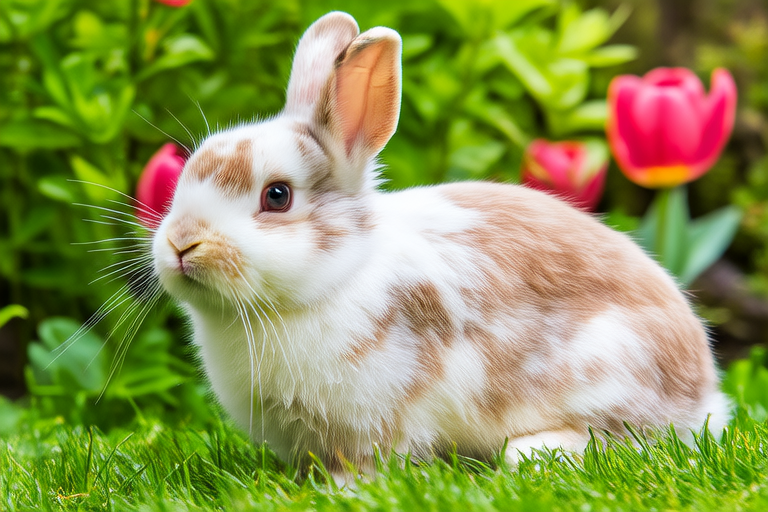
From Harems to Happy Homes: Life with a Dutch Dwarf Rabbit
The Dutch Dwarf Rabbit, with its charming appearance and friendly demeanor, has become a popular choice among rabbit enthusiasts. This compact, sociable breed offers a delightful companion for those seeking a pet that combines beauty with ease of care. In this article, we explore the unique characteristics of Dutch Dwarf Rabbits, their care requirements, common health issues, and tips for creating a nurturing environment at home. We also delve into the transition from breeding harems to family pets, focusing on behavioral changes and adaptation.
Unique Characteristics of Dutch Dwarf Rabbits
Dutch Dwarf Rabbits are small, sturdy animals with a distinctive white blaze on their faces and a contrasting color pattern. Their compact size, typically weighing between 1.8 and 2.3 kilograms, makes them ideal for apartment living. They have a short, dense coat that comes in a variety of colors, including black, blue, chocolate, and lilac, each with a white blaze and contrasting body color.
One of the most endearing traits of Dutch Dwarfs is their gentle nature. They are known for being docile and affectionate, making them excellent companions for families with children. These rabbits are also highly intelligent and can be trained to respond to commands and even perform simple tricks. Their playful and curious nature ensures that they remain engaged and entertained, which is important for their mental well-being.
Care Requirements
Providing proper care for your Dutch Dwarf Rabbit is essential for ensuring their health and happiness. Dutch Dwarfs require a spacious, clean living environment that allows them to move around freely and exercise. A minimum cage size of 36 inches by 24 inches by 18 inches is recommended for a single rabbit, but larger enclosures are preferable to allow for more movement and playtime.
The cage should be lined with soft bedding such as hay or paper-based litter, and equipped with toys and tunnels to stimulate their natural instincts. Regular cleaning of the enclosure is crucial to maintain hygiene and prevent the buildup of bacteria or odors.
Dietary needs are another critical aspect of caring for Dutch Dwarfs. Their diet should consist primarily of high-quality hay, fresh vegetables, and a limited amount of pellets. Timothy hay is particularly beneficial as it aids digestion and supports dental health. Fresh water should always be available, and it’s important to introduce new foods gradually to avoid digestive upset.
Common Health Issues
Like all breeds, Dutch Dwarf Rabbits are prone to certain health issues. One of the most common problems is dental disease, which can occur if their diet lacks sufficient fiber or if their teeth grow abnormally. Regular dental check-ups are essential to ensure their teeth are properly aligned and trimmed as needed.
Another issue that Dutch Dwarfs may face is obesity, especially if they are overfed or lack adequate exercise. Maintaining a balanced diet and providing plenty of opportunities for physical activity can help prevent weight gain. Additionally, respiratory infections and gastrointestinal stasis are other health concerns that owners should be aware of and monitor for.
Tips for Creating a Nurturing Environment
To create a nurturing environment for your Dutch Dwarf Rabbit, it’s important to provide them with a safe, stimulating space where they can thrive. This includes setting up a designated area for playtime outside of their cage, such as a rabbit-proofed room or a large pen.
Social interaction is vital for Dutch Dwarfs, so spending quality time with your rabbit through play, grooming, and training is essential. Bonding with your rabbit can take time, but patience and consistency will pay off. Start by allowing your rabbit to approach you on their own terms and gradually build trust through positive reinforcement.
Transition from Breeding Harems to Family Pets
The transition from breeding harems to family pets can be challenging but rewarding. When transitioning a Dutch Dwarf Rabbit from a breeding environment to a family home, it’s important to recognize that their social structure and behaviors may change. Rabbits that were previously part of a harem may need time to adjust to living alone or with a different group of animals.
During this transition, it’s crucial to provide a calm and stable environment to help them acclimate. Offer familiar scents, such as hay or bedding from their previous enclosure, to make the transition smoother. Gradually introduce new stimuli, like toys or tunnels, to encourage exploration and play.
Bonding Techniques
Bonding with your Dutch Dwarf Rabbit is a gradual process that requires patience and understanding. Start by establishing a routine that includes regular feeding times and gentle handling sessions. Allow your rabbit to approach you at their own pace and reward them with treats and praise when they show signs of comfort and trust.
Training your rabbit to come when called or to sit on command can strengthen the bond between you. Use positive reinforcement techniques, such as clicker training, to encourage desired behaviors. This not only enhances the relationship but also provides mental stimulation for your rabbit.
Dietary Needs
A balanced diet is key to maintaining the health and vitality of your Dutch Dwarf Rabbit. The majority of their diet should consist of high-quality hay, which provides essential fiber for digestive health. Supplement their diet with fresh vegetables, such as carrots, broccoli, and spinach, and offer a small amount of pellets formulated specifically for dwarf rabbits.
Limit sugary fruits and treats to special occasions, as excessive sugar can lead to health issues. Always introduce new foods gradually to avoid digestive upset. Providing a consistent diet and monitoring their weight can help prevent obesity and related health problems.
Space Requirements
Despite their small size, Dutch Dwarf Rabbits require ample space to move around and exercise. While a cage is necessary for safety and hygiene, it’s important to provide additional space for play and exploration. A spacious indoor pen or a rabbit-proofed room can serve as an ideal play area.
In addition to providing space for physical activity, consider enriching their environment with tunnels, chew toys, and hiding spots. These elements not only provide entertainment but also help satisfy their natural instincts for exploration and curiosity.
Joy and Challenges of Owning a Dutch Dwarf Rabbit
Owning a Dutch Dwarf Rabbit brings immense joy and companionship, but it also comes with its share of challenges. The rewards of having a loving, interactive pet are numerous, from the moments of pure delight during playtime to the deep bonds formed through daily interactions.
However, the responsibilities of pet ownership cannot be overlooked. Ensuring proper care, nutrition, and medical attention requires commitment and dedication. It’s important to be prepared for the financial and time investment involved in providing a happy, healthy life for your rabbit.
Advice for Potential and Current Owners
For those considering adopting a Dutch Dwarf Rabbit, take the time to research and prepare adequately. Understand the specific needs of the breed, including their dietary requirements, space needs, and potential health issues. Visiting local shelters or reputable breeders can provide valuable insights and support.
Current owners should stay informed about advancements in rabbit care and veterinary practices. Regular check-ups, a balanced diet, and a stimulating environment are key to keeping your rabbit healthy and happy. Embrace the joys of companionship and the unique bond you share with your Dutch Dwarf Rabbit.