 By admin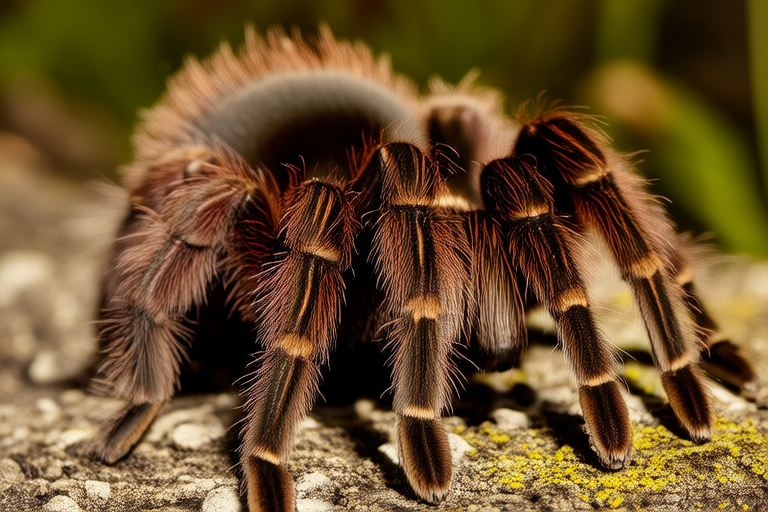
8 Reasons Why Tarantulas Make Unique and Captivating Pets
Tarantulas have long been a subject of fascination, often viewed with a mix of awe and fear. However, these arachnids make unique and captivating pets that can provide endless hours of enjoyment and learning. From their fascinating behaviors to their relatively low-maintenance care requirements, tarantulas offer a rewarding experience for pet owners. Here are eight reasons why tarantulas make such compelling companions.
1. Uniquely Diverse Species
One of the most exciting aspects of owning a tarantula is the sheer diversity within the species. With over 900 known species, there’s a tarantula to suit every enthusiast’s preference. Some species are ground-dwelling, while others prefer tree trunks or caves. The variety in coloration and size also adds to the appeal. For instance, the Goliath birdeater (Theraphosa blondi) is the largest tarantula species, reaching lengths of up to 30 cm (12 inches). On the other hand, the pink toe tarantula (Avicularia avicularia) has a distinctive pinkish hue on its legs, making it visually striking. Each species has unique characteristics, from the way they move to the sounds they produce, offering a rich tapestry of experiences for owners.
When choosing a tarantula, it’s important to consider the specific care needs of the species you’re interested in. Research thoroughly to ensure that the environment you provide meets the needs of your chosen tarantula. This includes understanding their dietary preferences, temperature requirements, and humidity levels. By doing so, you’ll create a habitat that promotes health and longevity for your pet.
2. Fascinating Behaviors
Tarantulas exhibit a range of intriguing behaviors that make them captivating to observe. One of the most notable is their ability to moult, a process where they shed their exoskeleton as they grow. During moulting, which can take several days, tarantulas remain still and vulnerable, making this an especially sensitive time for them. Owners should avoid disturbing their pet during this period and ensure the enclosure is free of potential hazards.
Another behavior worth noting is their defensive postures. When threatened, many tarantulas will rear up on their hind legs, exposing their fangs and sometimes releasing urticating hairs from their abdomen. These hairs serve as a defense mechanism, causing irritation if they come into contact with skin or eyes. Observing these behaviors provides insight into the tarantula’s natural instincts and survival strategies.
Understanding and respecting these behaviors is crucial for maintaining a healthy relationship with your pet. Providing a secure environment and minimizing stressors will help your tarantula feel safe and comfortable, allowing you to enjoy their fascinating behaviors without causing undue stress.
3. Low Maintenance Care Requirements
Compared to other pets, tarantulas require relatively low maintenance. Their enclosures are simple to set up and maintain, typically consisting of a substrate layer, hiding spots, and a water dish. A 10-gallon tank is sufficient for most species, though larger species may require more space. The substrate can be made from coconut fiber, peat moss, or soil, depending on the species’ preferred humidity level.
Feeding tarantulas is straightforward, as they are carnivorous and primarily eat insects like crickets, mealworms, and dubia roaches. Juvenile tarantulas may need to be fed once or twice a week, while adults can be fed less frequently. It’s important to dust the prey items with calcium and vitamin supplements to ensure proper nutrition.
Regular cleaning of the enclosure is necessary to maintain hygiene and prevent the buildup of harmful bacteria. Spot cleaning can be done daily, while a thorough cleaning should be performed every few months. This involves removing all substrate and cleaning the tank with a mild disinfectant solution before replacing the substrate.